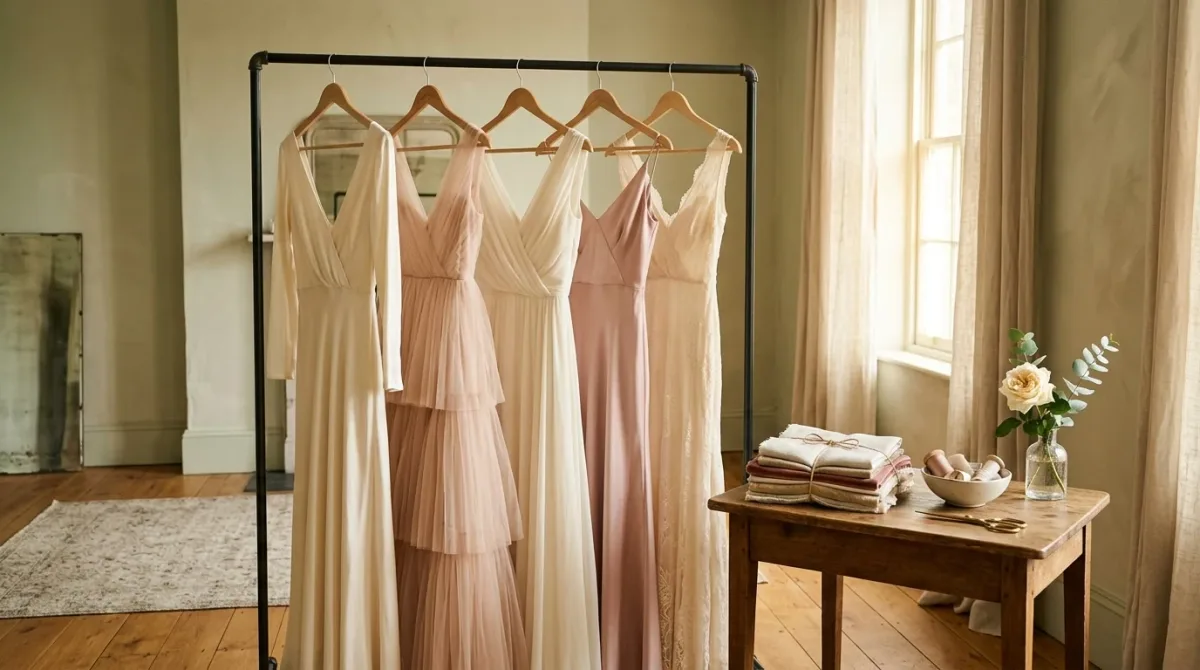
A celebrity stylist plans, sources, and fits every public look a client wears in public — usually weeks before an event, sometimes months for awards season. The job's core is logistics with a deadline: for a major ceremony like the Academy Awards, top stylists have described preparing multiple full options per client across nominees' press weeks, with fittings scheduled around rehearsals and travel. The craft is real, and so is the paperwork.
This is an explainer on the profession from documented accounts stylists and houses have given the press over the years — a look at the work, not at any individual client.
How far ahead does the work start?
Farther than most readers expect. Stylists interviewed by fashion and entertainment outlets over the past decade consistently describe awards-season planning that begins before the nominations are announced: a stylist with a likely nominee starts pulling sketches and archive pieces from houses in late fall for ceremonies that run January through March. For a single big night, the documented timeline is roughly two to six weeks out — initial concept conversations, requests to design houses, loans confirmed, then a schedule of fittings in the final ten days. The last 48 hours go to alterations, steaming, and a backup plan, because garment mishaps and schedule changes are routine, not exceptional.
Where do the clothes come from?
Almost always, on loan. Houses lend gowns and suits to stylists for a single appearance — a practice the fashion press has documented since the 1990s, when Giorgio Armani's dressing of Hollywood stars established the modern runway-to-carpet pipeline. The stylist requests pieces from a house's current or archive collections; the house decides who wears what, and exclusivity is part of the currency. A couture piece may be pulled for one client on one night and shipped back the next morning — which is why red-carpet jewelry so often arrives with security and a return deadline, a detail stylists have described in interviews over the years. Some looks are custom-made, a months-long process involving the house's atelier; most are loans from an existing or adapted collection.
How does a look actually get chosen?
Through a documented decision sequence that weighs the occasion above taste. The project comes first: stylists describing their process to fashion outlets consistently start with what the appearance is for — a press tour's tone, a ceremony's formality, a character the actor just played. Then the silhouette and palette are set against the venue and photography: red carpets shot from the front and above reward strong simple shapes and colors that read at distance. Then the credits: a stylist often balances an emerging designer against a major house, because being the first to introduce a new name on a big carpet is part of the profession's creative currency. The client makes the final call from fitted options — usually two or three per event, per multiple stylists' accounts.
What happens at a fitting?
Several rounds of them, in the final weeks. The garment is assessed standing, walking, and sitting; hems are marked for the shoes that will actually be worn; and every functional detail is tested — how a train behaves on stairs, whether sleeves photograph correctly in a wave, how the piece moves over a full evening. Alterations are done by the stylist's team or the house's tailors, sometimes overnight during awards season. Underpinnings and practical kit — tape, steamers, emergency sewing, heel caps — are standard equipment stylists have itemized in interviews. The fitting is also where the backup look is confirmed: fully fitted, fully pressed, ready in the car.
Who gets credit on the night?
The credit chain is stricter than it looks. The wearer is named first; the garment's designer second; the stylist's work is credited by name in press releases and social captions — a visibility that itself is a change of the last two decades, as stylists like Law Roach, June Ambrose, and Karla Welch became public figures whose clients and signatures are known by readers, not just by the industry. Jewelry and watch houses carry their own credits; hair and makeup their own teams. When an outlet reports a look, the standard form — wearer, designer, occasion, date — exists so that each craft in the chain is documented, a norm this site follows too.
Why does any of this matter professionally?
Because a red-carpet look is a work appearance. For an actor, it is photographed, archived, and searched for years; for a designer, one major carpet placement can redirect attention to a collection, as fashion-business coverage has documented season after season. The stylist's job, in the end, is to make a two-minute walk serve a career that lasts decades — and the profession's best-known practitioners describe the work exactly that way: quiet, fast, and finished before anyone sees it begin.