
Trendsetter: what it takes to start a movement
From a niche signal to a mainstream wave: the anatomy of the people who move culture first.
Aesthetics in motion: a silhouette, a color story, a needle-drop or a set design that leaves a production and turns up in shops and feeds.
From a niche signal to a mainstream wave: the anatomy of the people who move culture first.
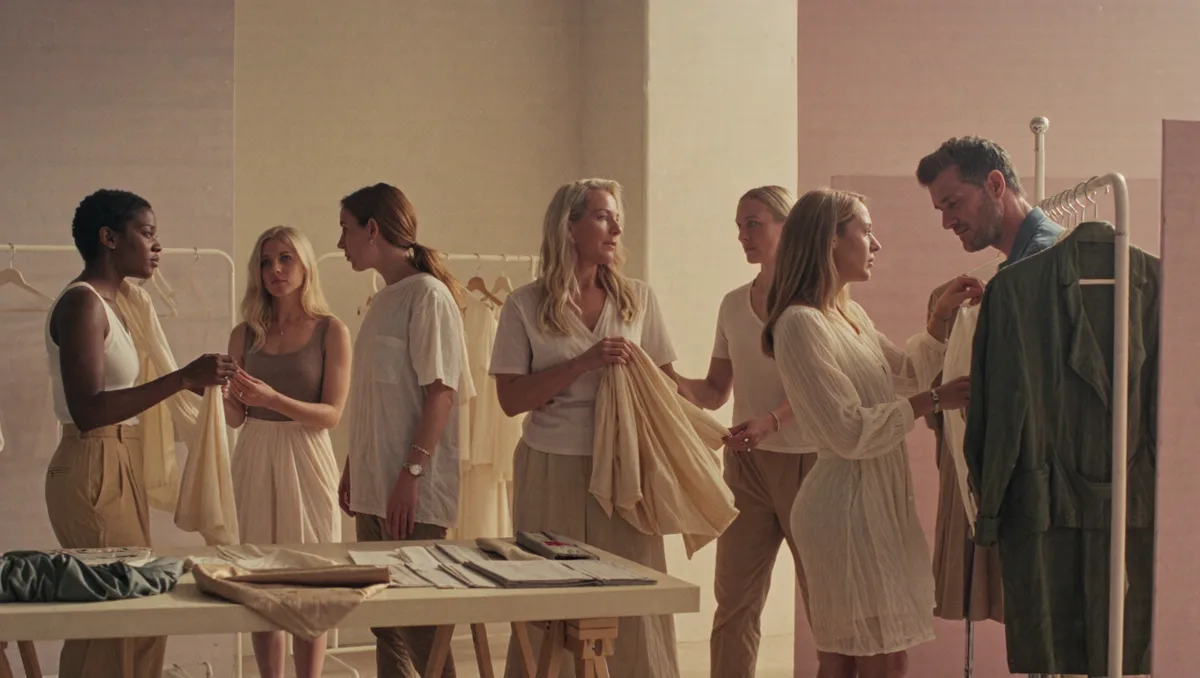
Slip dresses, wide legs, archive gowns. The same looks return every couple of decades, and the reasons are older than any one trend.
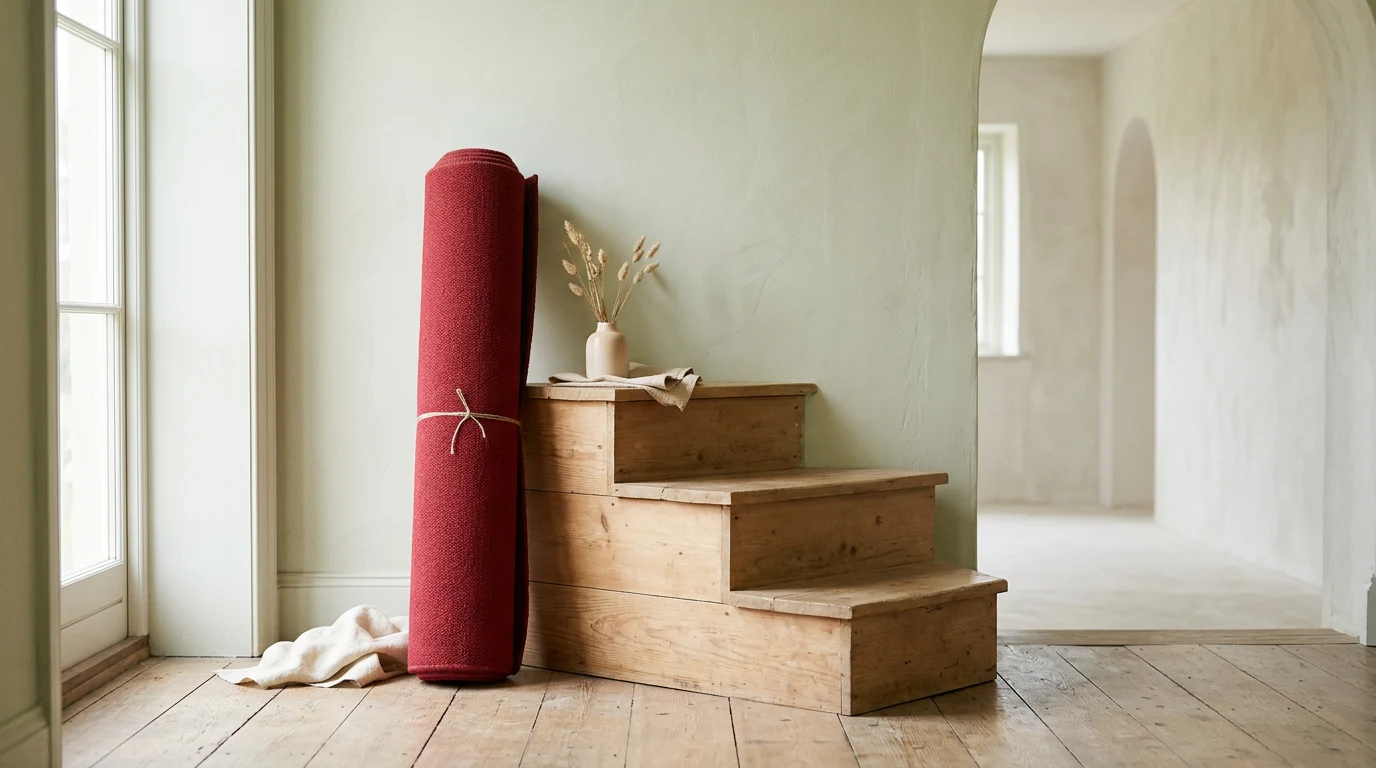
The red carpet began as a theater-owner's publicity stunt in 1922 Hollywood and became fashion's most-watched runway — the documented story of a flooring choice that turned into an industry.
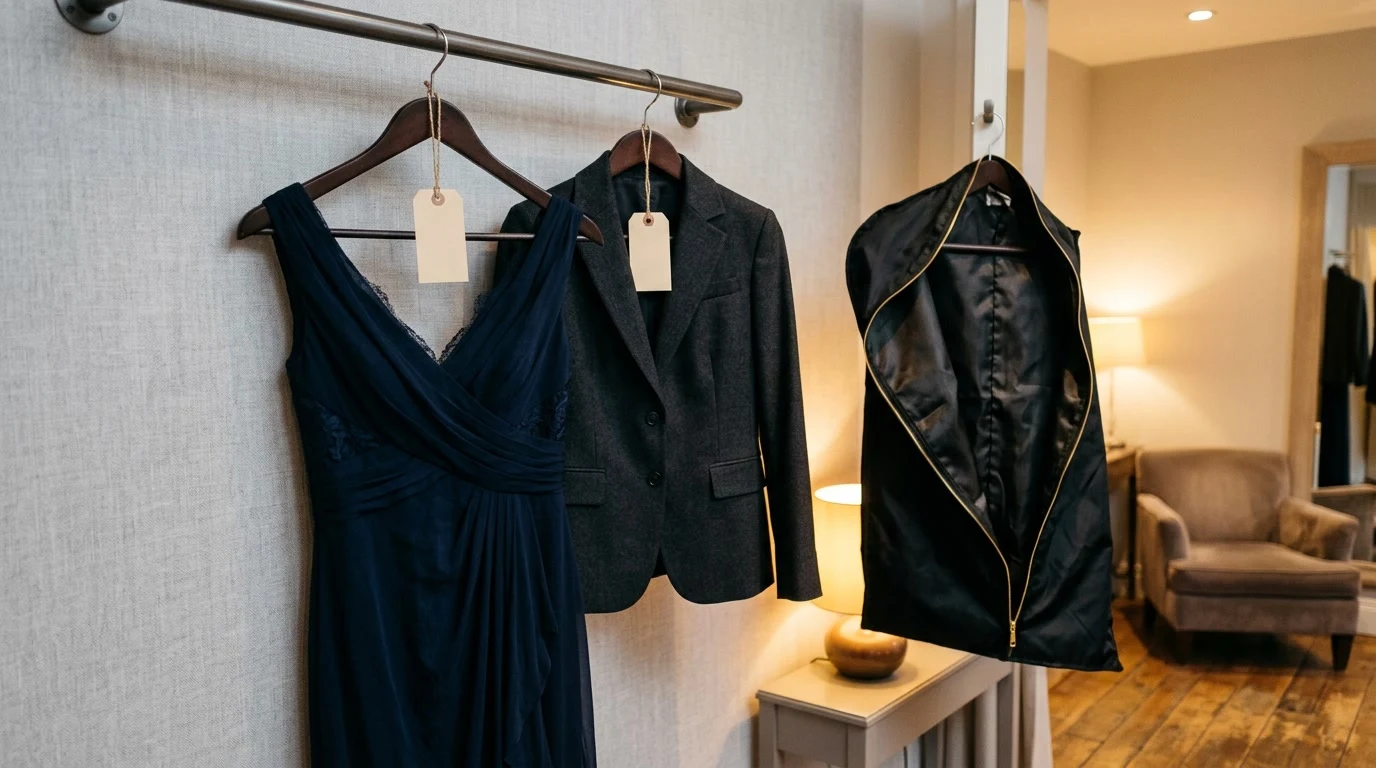
At the 2026 Venice Film Festival, several stars already have standing ties to a single house, which narrows the odds on a look long before any stylist starts a fitting.
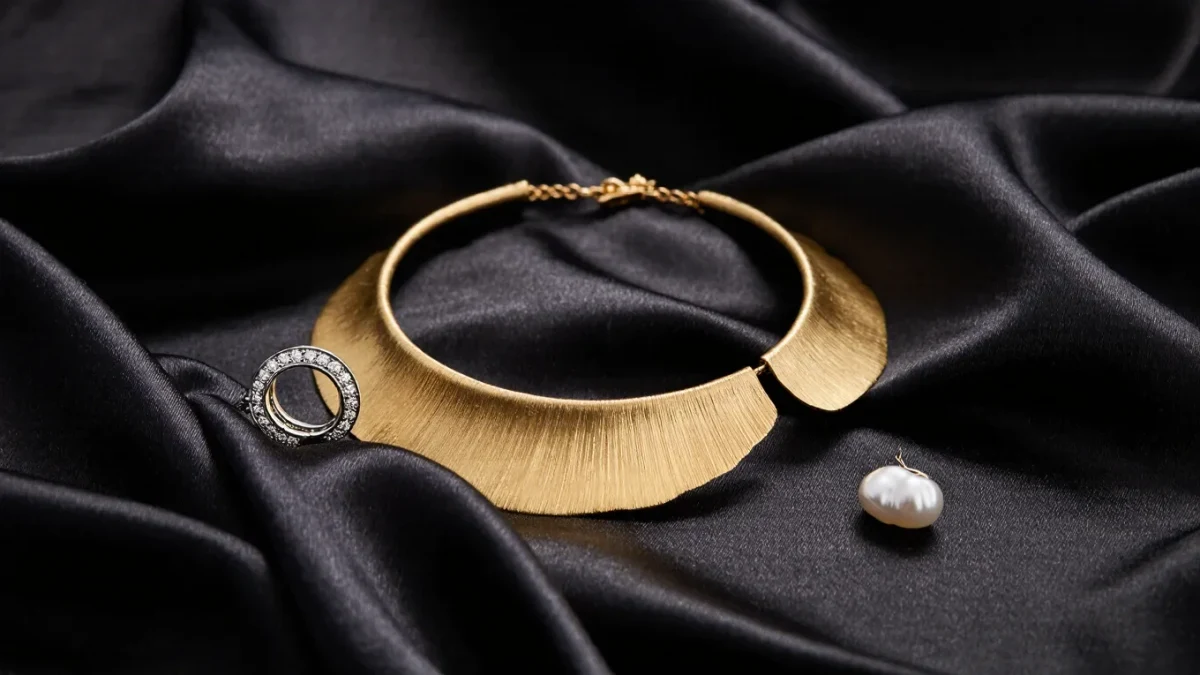
Jewelry on the red carpet follows its own trend cycle, and learning to read it turns every awards photo into a second story next to the gown.
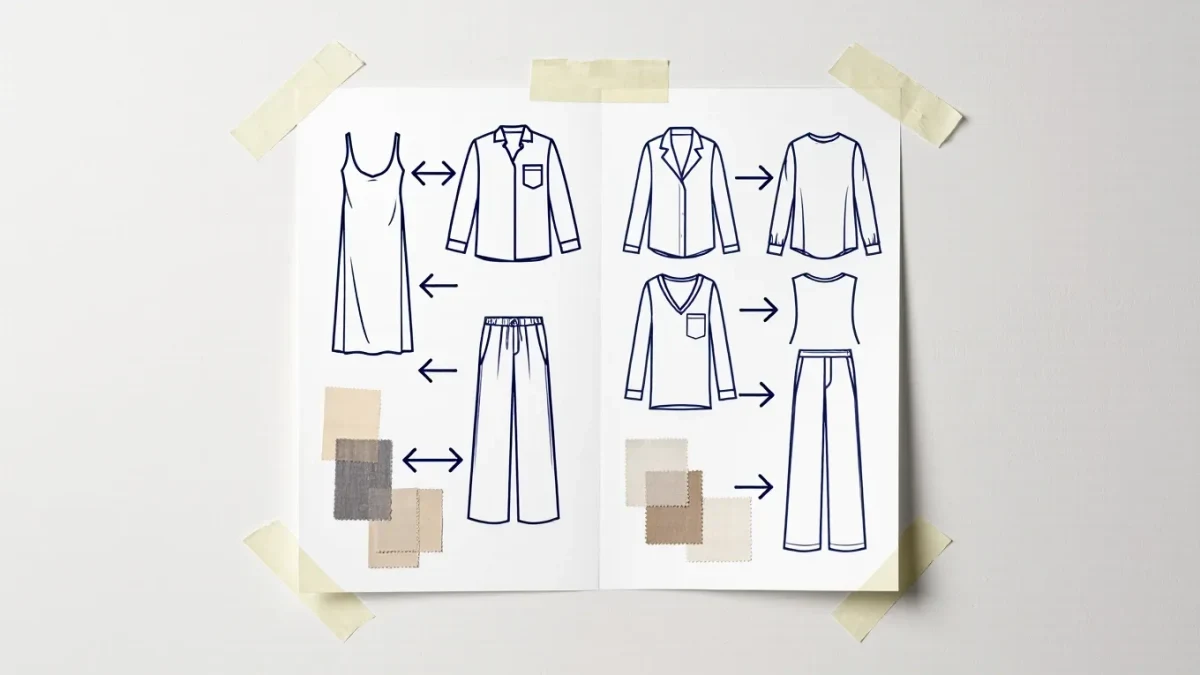
Nineties minimalism returned to runways and carpets in 2025 and 2026 because its formula, one clean line and nothing extra, fits an era tired of noise.