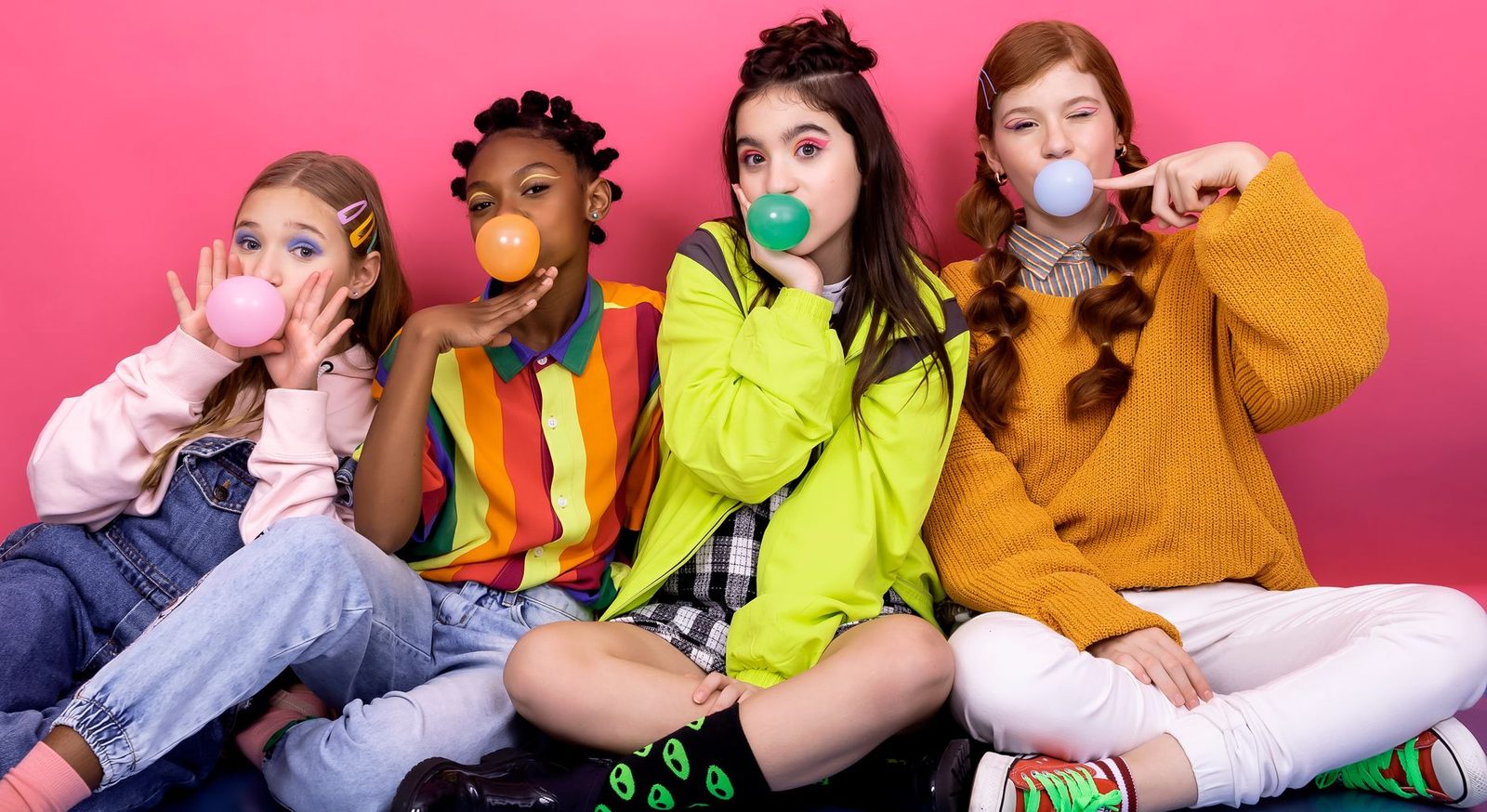
Pop culture trends are the shared obsessions that move through music, movies, fashion, and social media at any given moment. They tell us what a generation cares about, laughs at, and argues over. Understanding them isn't just fun trivia—it's a way to read the mood of a society before it shows up in sales charts or election polls.
This guide breaks down how cultural institutions and everyday fans alike track these shifts, why fandoms have become powerful economic forces, and how streaming platforms have turned entertainment into a subscription battlefield. We'll also cover a practical way to keep up with celebrity news without it consuming your whole day.
Think of this as a map, not a headline chase. Pop culture trends move fast, but the patterns behind them repeat. Once you see the patterns, you stop feeling like you're always one step behind.
How Pop Culture Trends Actually Emerge and Spread
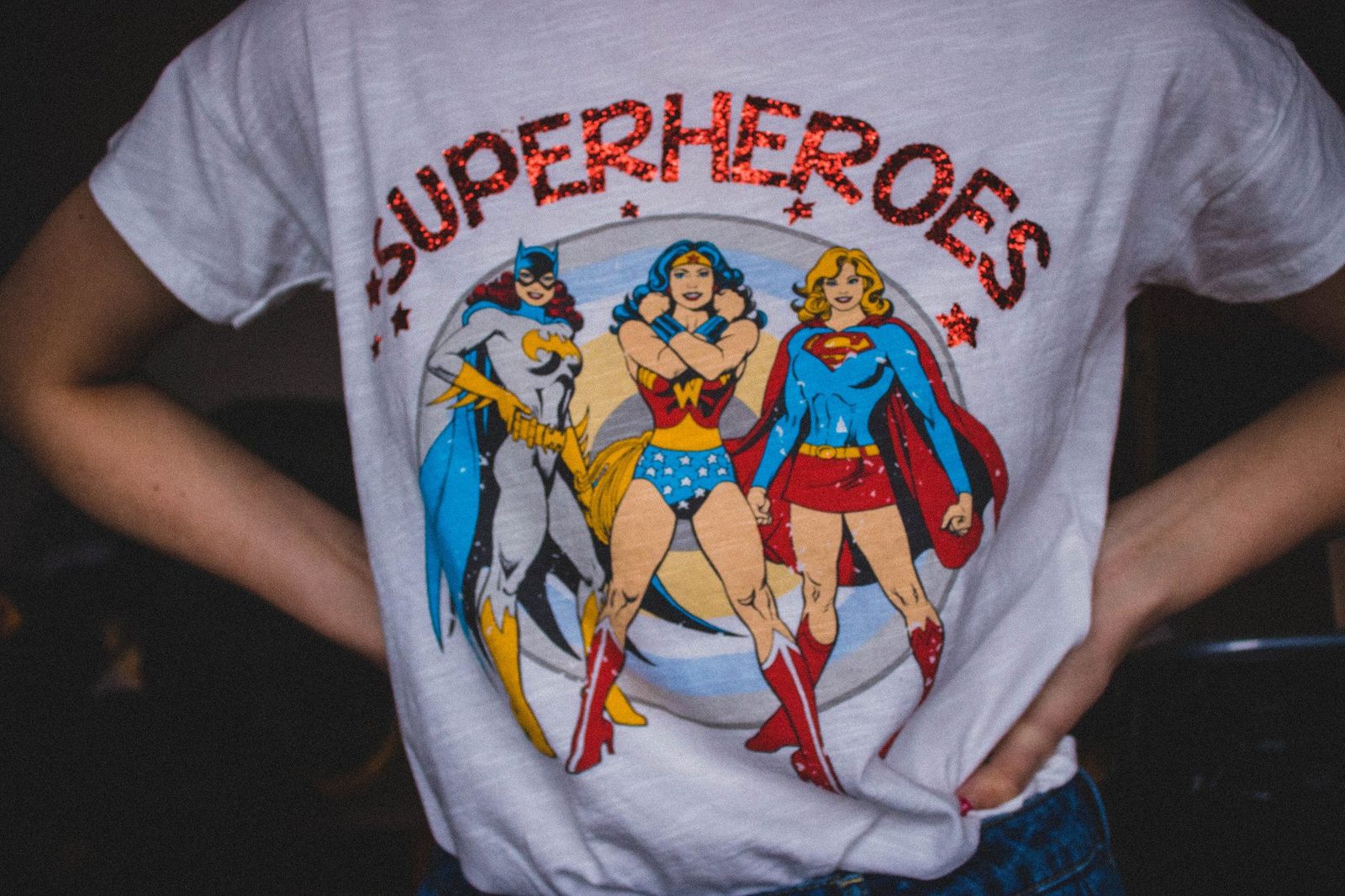
Every trend starts small. A dance move, a slang word, or a fashion choice appears in a niche corner of the internet or a local scene. Most of these sparks fizzle out within days. The ones that survive usually share a few traits: they're easy to copy, they invite a personal spin, and they carry some kind of emotional payoff, whether that's humor, nostalgia, or belonging.
From there, a trend needs carriers. These are the people or accounts with enough reach to push an idea past its original bubble. This used to be the job of magazines and television producers. Today it's often creators, algorithms, and word-of-mouth sharing working together. A trend that jumps from one platform to another—say, from a video app to mainstream news coverage—has usually crossed an important threshold. That's the moment it stops being a niche interest and starts becoming a shared cultural reference.
Timing matters too. A trend that lines up with a season, a holiday, or a major event spreads faster because people are already primed to talk about related topics. This is why so many pop culture trends cluster around awards season, summer blockbusters, or back-to-school shopping. The cultural calendar acts like a set of open doors, and trends slip through whichever one is currently open.
There's also a decay curve. Most trends have a natural lifespan. They rise, peak, and fade as novelty wears off or a new trend takes attention away. A small number become permanent fixtures, folded into everyday language or style. Recognizing where a trend sits on this curve is one of the most useful skills for anyone trying to follow pop culture trends without feeling overwhelmed. It helps you decide what's worth your attention and what will be forgotten within a month.
Finally, trends rarely emerge from nothing. Most borrow from something older—a revived fashion era, a sampled song, a rebooted show. Pop culture moves in cycles, and spotting the source material helps explain why a trend feels both fresh and familiar at the same time.
How to Keep Up With Celebrity News Without Losing Your Mind
Celebrity news moves fast, and it's easy to feel like you need to check five apps just to stay current. The good news is that you don't need to consume everything to understand what matters. A smarter approach focuses on signal over noise.
Start by picking a small number of trusted sources instead of scrolling endlessly. Two or three outlets with a track record of accuracy will keep you better informed than a dozen accounts repeating the same rumor. Look for outlets that separate confirmed facts from speculation, and be skeptical of stories that rely only on anonymous claims.
Next, set a schedule instead of checking constantly. A quick ten-minute read once or twice a day covers almost everything that matters. Constant checking creates anxiety without adding real understanding, because most stories develop slowly over hours or days, not minutes.
It also helps to separate categories of celebrity news:
- Career news, like project announcements or awards, which shapes the entertainment industry.
- Personal life stories, which are often speculative and less reliable.
- Controversy coverage, which deserves extra scrutiny before you form an opinion.
Treating these differently helps you avoid getting swept up in stories that turn out to be exaggerated or false. It also protects your time and attention for the stories that actually connect to broader pop culture trends, such as a celebrity's role in a fashion shift or a show's cultural impact.
Finally, give yourself permission to skip stories. Not every headline needs your reaction. The healthiest way to follow celebrity culture is to treat it like weather: useful to check occasionally, not something to obsess over hour by hour.
Understanding Fandom Culture: Why Fans Are Reshaping Entertainment
Fandom culture describes the communities that form around a show, game, book, or artist. What used to be a hobby confined to conventions and fan clubs has grown into one of the most powerful forces in entertainment. Studios and networks now track fan sentiment closely, because passionate audiences can make or break a project.
Why Fans Have More Power Than Ever
Social media gave fans direct lines to creators and studios. A coordinated fan campaign can bring back a canceled show, push a song up the charts, or pressure a studio to change a marketing plan. This shift means entertainment companies now treat fan communities less like an audience and more like a stakeholder group whose opinions carry real weight.
Fan-Created Content and Its Gray Areas
Fans don't just consume content anymore. They remix it. Fan art, fan fiction, and fan edits have become their own creative ecosystem. This raises interesting questions about ownership and copyright, since fan works often borrow characters and settings from existing properties. Groups researching intellectual property, including resources from the U.S. Copyright Office, note that transformative fan work occupies a legally complex space that companies handle in very different ways—some embrace it, others send takedown notices.
The Economics of Fandom
Fandoms drive real money. Merchandise, conventions, streaming subscriptions, and collectibles all depend on dedicated fan bases willing to spend on the things they love. This is part of why so many franchises now plan years ahead, building storylines and spinoffs designed to keep fan communities engaged between major releases. Fandom isn't a side effect of good entertainment anymore. In many cases, it's the business model.
Understanding fandom culture helps explain why certain pop culture trends last for years while others disappear in weeks. A trend backed by an organized, emotionally invested fan community has staying power that a passing meme never will.
The Rise of Streaming Wars: Which Services Are Worth Your Money
A decade ago, most households paid for cable and called it a day. Now, the average viewer juggles several streaming subscriptions, each with different shows, price points, and rules. This shift, often called the streaming wars, has reshaped how people discover and discuss pop culture trends.
The competition among platforms has produced real benefits for viewers. Original programming has expanded dramatically, giving smaller stories and niche genres a chance to find an audience they never would have had on traditional television. At the same time, the sheer number of options has created a new problem: subscription fatigue. Paying for four or five services can quietly cost as much as a traditional cable package once did.
Deciding which services are worth keeping comes down to a few practical questions:
- Does the platform hold exclusive rights to shows or franchises you actually watch regularly?
- How often does new content get added versus how much is just a rotating library of older titles?
- Does the service allow account sharing, and does that change the value for your household?
- Is there an ad-supported tier that lowers the cost without losing access to what matters to you?
Regulatory shifts also play a quiet but important role here. Rules around advertising, data privacy, and broadband access—overseen in part by agencies like the Federal Communications Commission—shape how these services can operate and price their plans. Changes in these rules can ripple into subscription costs or content availability faster than most viewers realize.
A smart strategy many households use is rotating subscriptions. Instead of paying for everything year-round, they subscribe to a service for the month a major show returns, then cancel until the next season. This approach keeps costs down while still allowing access to the shows driving current pop culture trends. The streaming wars aren't slowing down, but a little planning goes a long way toward keeping your entertainment budget under control.
Spotting Pop Culture Trends Early: A Practical Framework
Our analysis of how trends spread points to a simple framework anyone can use to spot pop culture trends before they peak. This isn't about predicting the future perfectly. It's about noticing patterns earlier than the average observer.
Practical steps worth building into a regular habit:
- Watch for repetition across unrelated communities. When the same joke, style, or phrase shows up in different corners of the internet within a short window, that's a strong early signal.
- Track crossover moments. A trend that moves from entertainment into fashion, or from music into advertising, is gaining real cultural traction.
- Pay attention to what younger audiences are doing. Many trends start with younger users experimenting before older audiences adopt a simplified version.
- Notice institutional attention. When brands, news outlets, or established companies start referencing a trend, it has usually already peaked with early adopters and is entering its mainstream phase.
What this means in practice is that timing your attention matters as much as the trend itself. Jumping on something too early can mean investing in a fad that fizzles. Jumping on too late means you're following, not understanding. The sweet spot is catching a trend as it moves from niche to crossover, when its cultural meaning is still forming.
It also helps to separate style trends from substance trends. Style trends are surface-level: a color, a phrase, a filter. Substance trends reflect a real shift in values or behavior, like changing attitudes toward work, identity, or storytelling. Substance trends tend to last longer and influence other trends downstream, so they deserve more attention than a passing style choice.
This framework won't make anyone a perfect forecaster. But it turns trend-watching from passive scrolling into an active, informed habit—one that helps you understand not just what's popular, but why it matters.
Key Takeaways
Pop culture trends are more than passing noise. They reveal what people value, how communities organize, and where entertainment industries are placing their bets. From the rise of fandom power to the ongoing streaming wars, these shifts touch everyday spending decisions and daily conversations alike.
The best way to stay informed is to stay selective. Choose reliable sources, watch for patterns instead of chasing every headline, and remember that most trends fade while a few reshape culture for years. Approached this way, following pop culture trends becomes less overwhelming and far more rewarding.
For more context, read Verizon: News and Telecom.
For more context, read Untitled.
For more context, read Untitled.
For more context, read How Automatic Recount Thresholds Vary From State to State.
For more context, read How a public artwork gets commissioned in New York.
For more context, read How the Congressional Review Act Makes a Repeal Permanent.
For more context, read How YouTube's ad revenue share actually works.
For more context, read How box office numbers actually get counted.
For more context, read How to Set Up a Passkey and Finally Ditch That Password.
For more context, read What FERPA actually lets edtech vendors do with student data.
For more context, read What is a smart contract, and how does it actually work?.