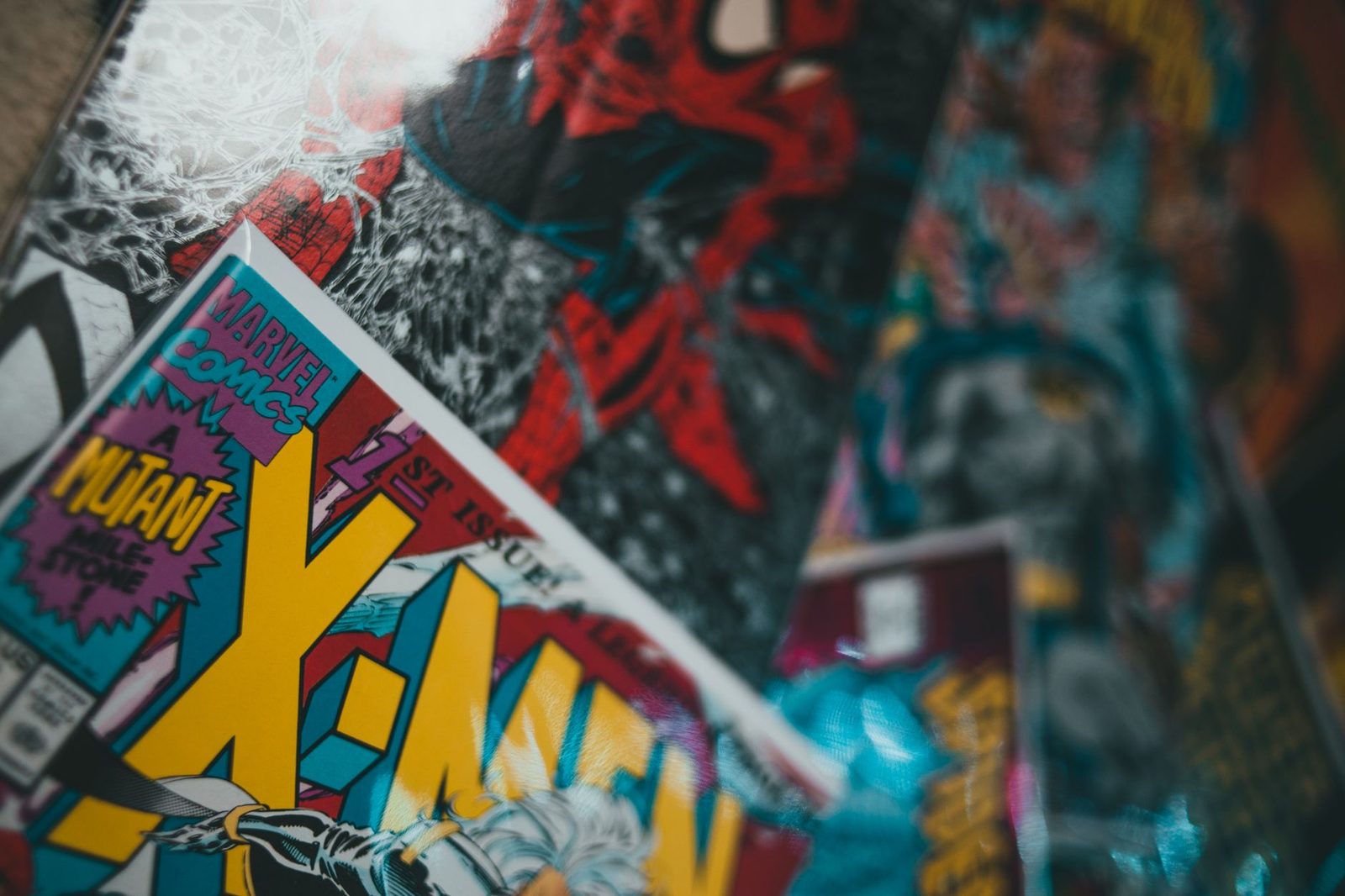
What makes a comic book worth thousands—or even millions—of dollars? The answer usually comes down to a mix of scarcity, historical timing, and cultural weight. Valuable comic books tend to share a few traits: they introduced a major character, they survived in tiny numbers, or they marked a turning point in the industry itself.
This isn't just nostalgia talk. It's a real market with real economics, shaped by decades of shifting print runs, changing tastes, and even wartime paper shortages. Understanding why certain issues became valuable helps you spot patterns that might repeat with newer comics.
In this guide, we'll look at the key eras and issues that built the modern collectible comics market, and what separates a true grail from a nice keepsake.
Why Some Comics Become Valuable Collectibles
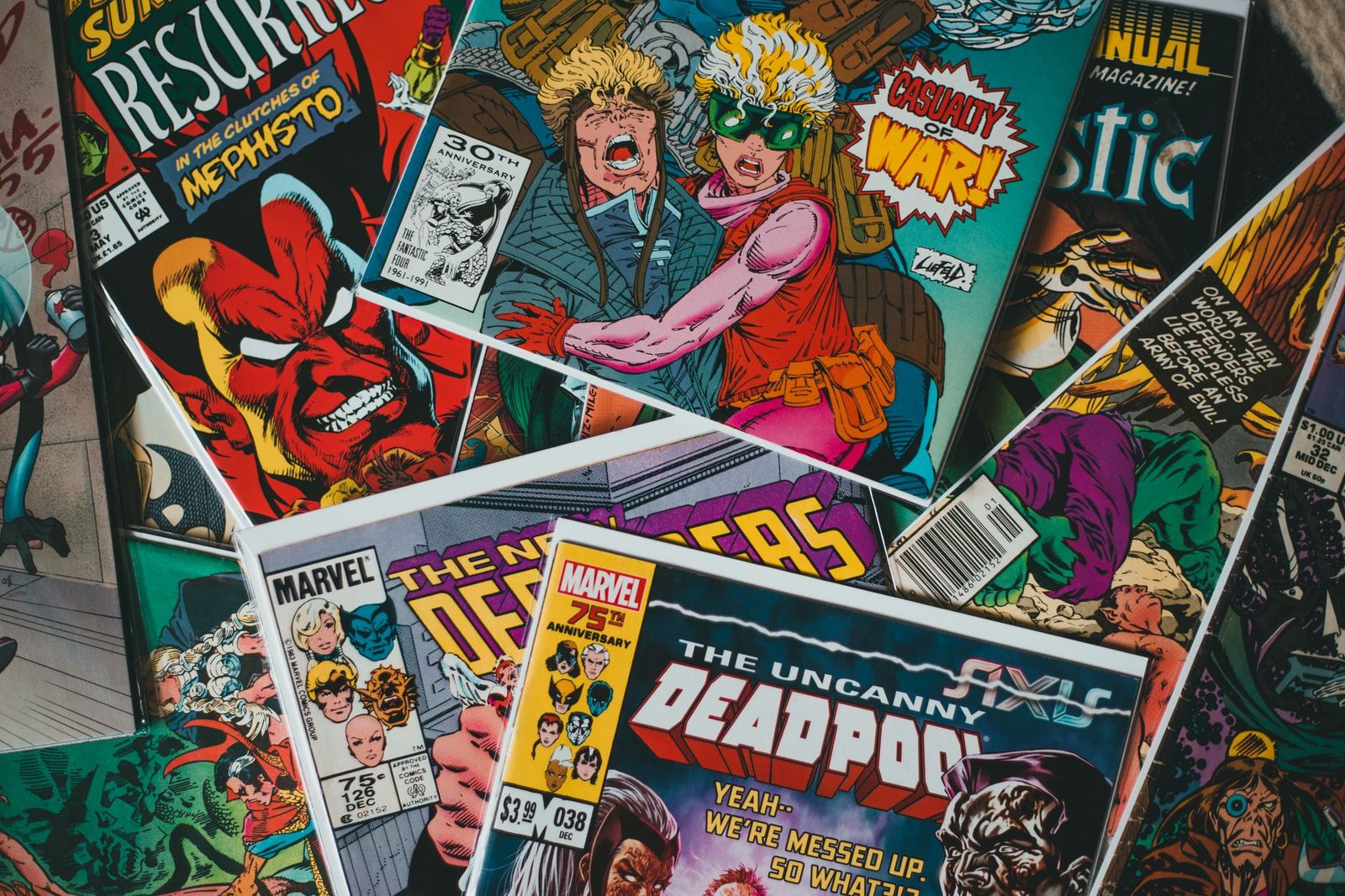
Value in comics rarely comes from age alone. A 1950s comic in a bargain bin might be worth less than a 1980s issue in perfect shape. What matters most is the combination of demand and scarcity.
Demand is driven by cultural importance. A comic that features a character's first appearance—especially one who later becomes a movie or TV star—tends to hold lasting appeal. Scarcity is driven by how many copies survive in good condition. Comics were never meant to last. They were cheap entertainment, often tossed out, used for scrap paper drives, or damaged by kids reading them the way they were meant to be read.
That combination—cultural significance plus physical rarity—is why valuable comic books often trace back to specific historical moments. The late 1930s and early 1940s, often called the Golden Age, produced some of the rarest survivors because paper conservation efforts during World War II reduced surviving copies of many titles.
The Silver Age, starting in the late 1950s, introduced a wave of characters who still dominate pop culture today. These issues are more plentiful than Golden Age books, but the best-preserved copies of key debuts still command serious prices.
Later eras matter too. The Bronze Age and even some modern comics have become valuable because of a single defining moment: a character's death, a major crossover, or the debut of a fan-favorite hero or villain.
The Golden Age: Where Modern Comic Value Began
The Golden Age of comics roughly spans from the late 1930s through the mid-1940s. This is when the superhero concept was born, and it set the template for the entire genre.
Comics from this period are valuable for a simple reason: very few survived. Paper drives during World War II encouraged people to recycle old comics. Add decades of casual handling, and pristine copies became exceedingly rare.
Key issues from this era often introduced characters who are now cultural icons. When one of these debut issues surfaces in good condition, it can command prices that rival fine art. The rarity isn't manufactured. It's a direct result of history—paper shortages, changing hands multiple times, and simply not being built to last.
For collectors researching this era, organizations like the Library of Congress maintain archives and historical context on early American periodicals, which can help hunters verify publication details and printing history.
The Silver Age and the Rise of Modern Superheroes
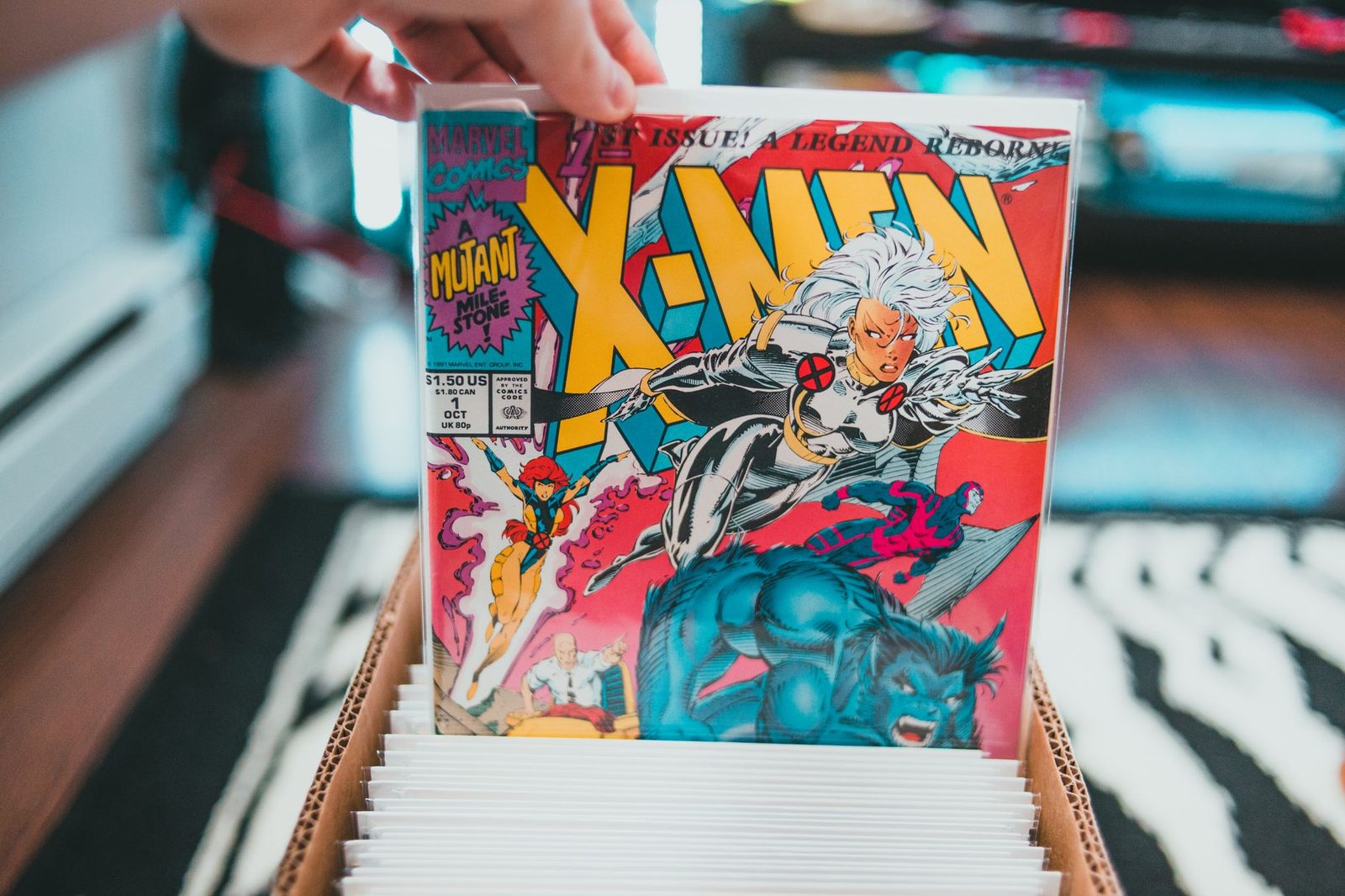
The Silver Age began in the late 1950s and ran through the late 1960s. This era reintroduced and reinvented superheroes for a new generation, and it's when many of today's most famous characters first appeared in print.
Unlike Golden Age comics, Silver Age issues were printed in larger numbers, so pure survival isn't the only factor driving value. Instead, value often comes from a specific milestone: a character's very first appearance, the debut of an origin story, or the first time a team of heroes came together.
Collectors hunting for valuable comic books from this period should focus on:
- First appearances of characters who later became franchise leads in film or television
- Origin issues that explain how a hero got their powers
- Early crossover issues where separate characters first meet
- Comics with especially low print runs due to regional distribution quirks
Condition matters enormously here, which ties directly into grading standards used across the hobby. A high-grade Silver Age key issue can be worth many times more than a well-read copy of the same book.
What to Look For When Hunting for Valuable Comic Books
Not every old comic is a goldmine, and not every recent comic is worthless. Knowing what separates a genuine key issue from ordinary back-stock is essential for anyone serious about the hobby.
Here are the core factors that consistently drive comic value:
- First appearances: The debut of a character, especially one who becomes widely recognized, is often the single biggest value driver.
- Low print runs: Comics printed in smaller quantities, whether due to publisher caution or regional distribution, tend to be rarer today.
- Condition: A crisp, well-preserved copy can be worth far more than a worn one, even if both are the exact same issue.
- Cultural momentum: Movies, TV shows, and pop culture moments can suddenly boost demand for a character's earliest comic appearances.
- Historical significance: Issues tied to major shifts in the industry, like the start of a new imprint or a landmark creative team, often hold long-term appeal.
Our analysis of long-term price trends suggests that comics tied to enduring characters tend to hold value more reliably than one-off publicity stunts. A flashy variant cover might spike in price briefly, but true long-term value usually comes from lasting cultural relevance, not short-term hype.
Practical steps for new hunters: start by researching which characters have shown consistent demand over decades, not just the last few years. Then look for the specific issue where that character first appeared. Cross-check print run information where available, and always factor in condition before assuming a book is valuable comic books material.
It's also worth remembering that grading and authentication matter just as much as identifying the right issue. A key issue in poor condition, or one that's been altered, can lose most of its market value even if the story and character are historically important.
How Modern Collecting Trends Are Shaping Future Value
The comic market doesn't stay still. What counts as a valuable comic book today was often overlooked when it first hit newsstands. This pattern is likely to continue, which is part of why some collectors focus on current first issues, hoping to spot the next major character debut before it becomes obvious.
Several forces are shaping this ongoing shift. Film and streaming adaptations can turn a once-obscure character into a household name almost overnight, instantly increasing demand for their earliest print appearances. Limited print runs, whether from smaller publishers or niche imprints, can also create scarcity that mirrors the conditions that made Golden Age comics rare.
Digital grading services and stricter authentication standards have also changed the game. Buyers today expect verifiable condition assessments before paying premium prices, which has made trustworthy grading more central to the hobby than ever.
For collectors interested in economic and regulatory angles, it's worth noting that collectibles markets, including comics, intersect with broader consumer protection frameworks. Agencies like the Federal Trade Commission oversee general consumer protection issues that can touch collectible sales, including concerns about misrepresentation or fraud in high-value transactions.
What this means for everyday collectors is simple: due diligence matters more than ever. Verifying authenticity, understanding grading, and knowing the historical context of an issue are just as important as recognizing a famous cover.
Key Takeaways
Valuable comic books aren't defined by age alone. They're shaped by a mix of scarcity, cultural staying power, and the specific historical moment they capture. From Golden Age survivors shaped by wartime paper drives to Silver Age debuts of lasting icons, the pattern is consistent: rarity plus relevance equals value. For anyone hunting for the next great find, focusing on first appearances, print history, and long-term cultural significance offers the clearest path to spotting real gems in the market.
For more context, read Complete Guide to Pop Culture Trends: What Matters Now.
For more context, read fandom culture.
For more context, read Streaming Wars: Which Services Are Worth Your Money.