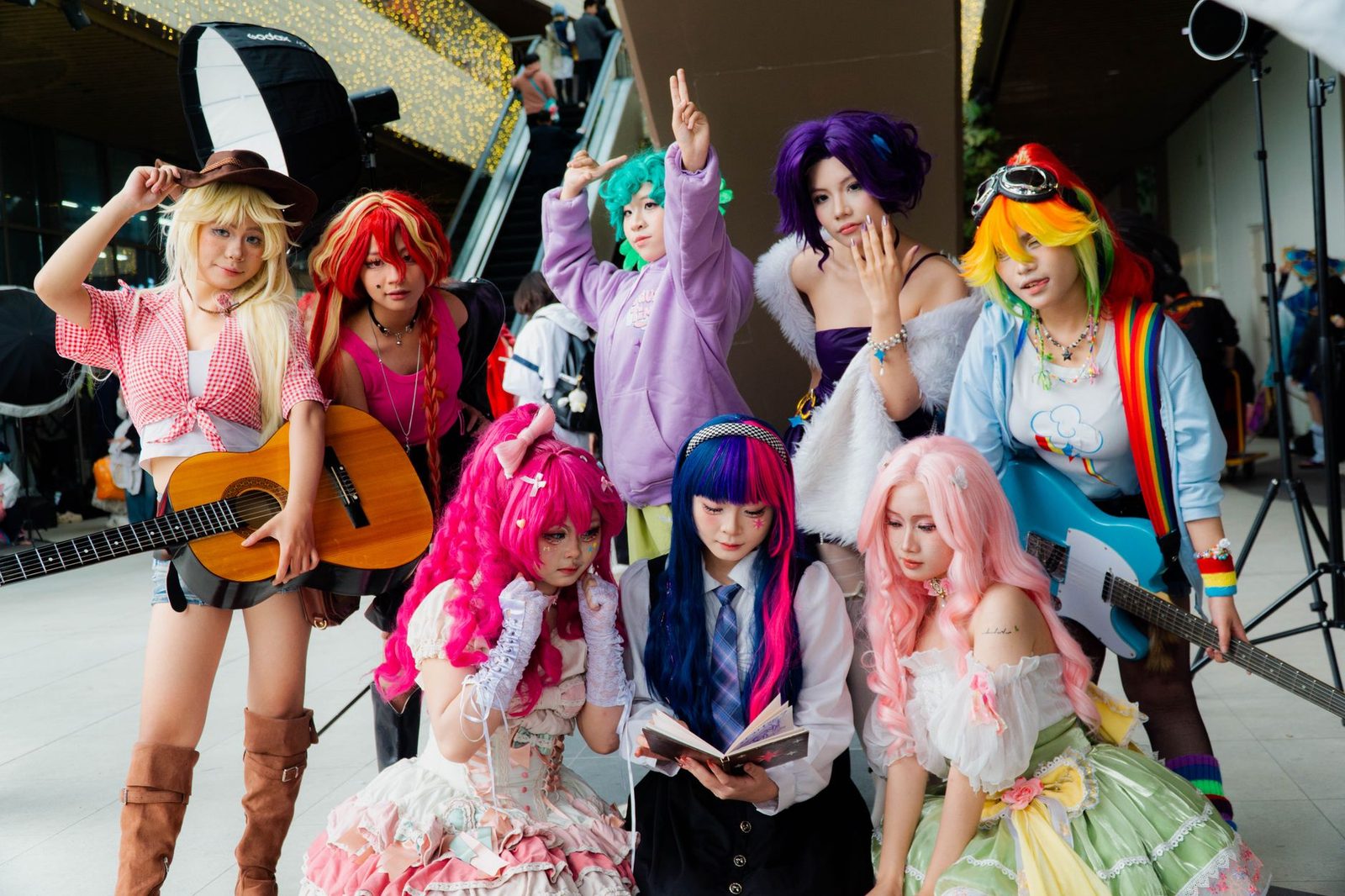
Fandom culture is the force behind almost every major entertainment decision today. Studios greenlight sequels because fans campaign for them. Streaming platforms save shows because online communities refuse to let them die quietly. What started as niche fan clubs has become a real economic engine.
At its core, fandom culture means organized groups of fans who do more than just watch or read. They create art. They write stories. They build online spaces to debate plot points and defend characters. This activity shapes what gets made next.
Understanding this shift matters for anyone who cares about movies, TV, comics, or games. Fans are no longer passive customers. They are collaborators, marketers, and sometimes even gatekeepers. This article breaks down how that power works, where it came from, and what it means for the industry going forward.
What Fandom Culture Actually Means Today
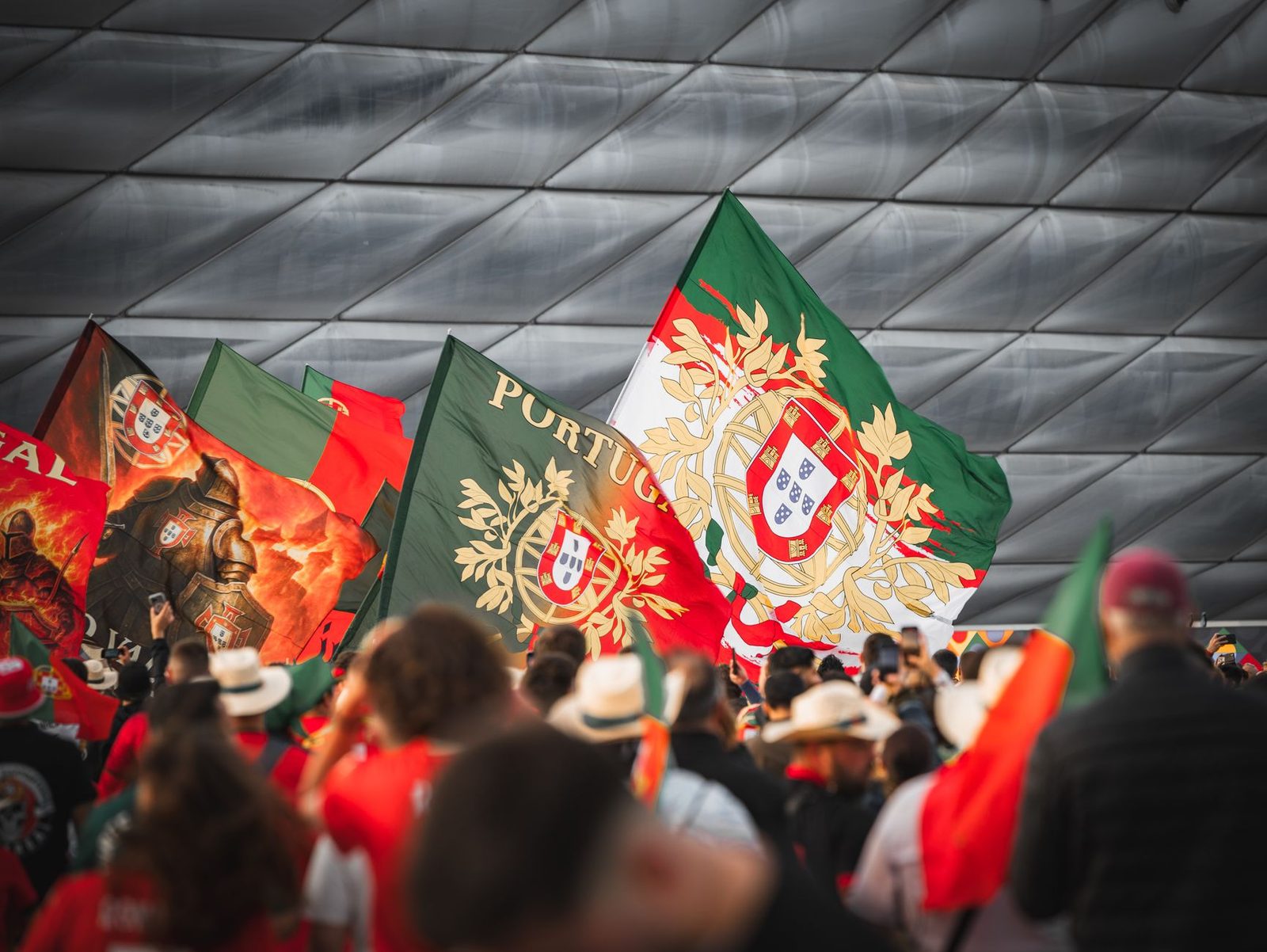
Fandom culture describes the shared habits, language, and actions of dedicated fan groups. This includes everything from fan fiction to convention meetups. It also includes hashtag campaigns that trend worldwide in hours.
The key difference between casual viewing and fandom culture is participation. A casual fan watches a show. A fandom member rewatches it, analyzes it, and joins others to talk about it. They often create new content based on it, like fan art or fan fiction.
This participation used to stay small. Local clubs met in person. Newsletters went out by mail. Now, social media platforms let fans connect instantly across countries. A fan in Manila can debate a plot twist with a fan in Manchester in real time.
This global reach changes everything. It means fan opinions spread fast. It also means studios can measure fan sentiment almost instantly through likes, shares, and comments. That data now factors into real business decisions.
How Fans Influence What Gets Made
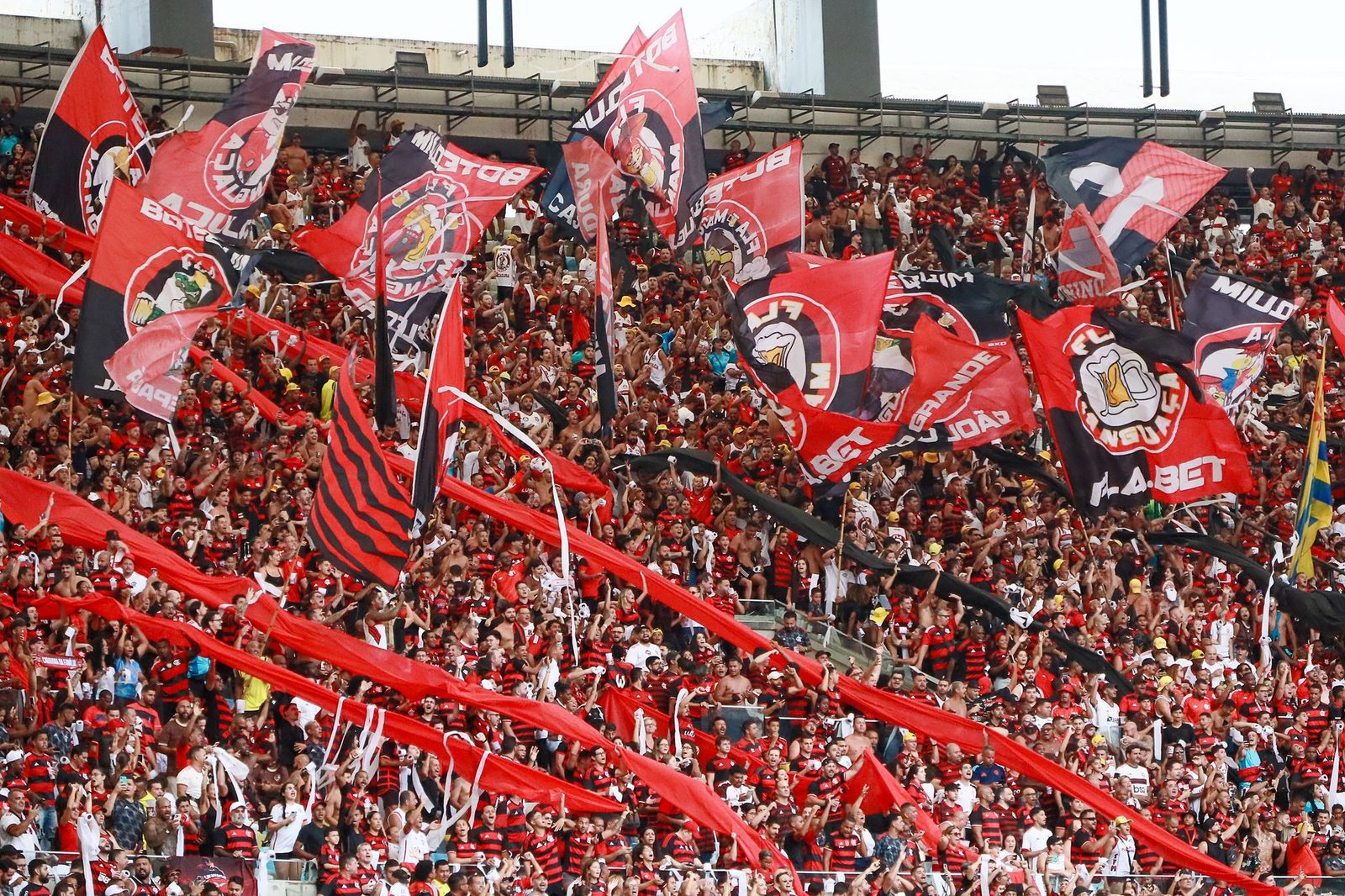
Studios pay close attention to fandom culture because it predicts spending. If a fan community is loud and organized, it often means real box office or subscription dollars behind it.
This influence shows up in several ways:
- Renewal campaigns that use hashtags to convince networks to save a show
- Crowdfunding efforts that prove demand for niche projects before a studio commits money
- Casting feedback that shapes who gets hired for beloved characters
- Early buzz from preview screenings that studios use to adjust marketing
Comic book fandoms are a strong example. Long before a movie adaptation reaches theaters, fans debate costume designs, casting choices, and story accuracy. Studios often adjust based on this early feedback, especially when backlash risks hurting ticket sales.
Video game fandoms work the same way. Developers now release early builds to fan communities. They gather feedback before final launch. This lowers financial risk and builds loyalty at the same time.
The economic logic here is simple. Listening to fans costs little. Ignoring them can cost millions in lost sales or damaged reputation. That is why studios treat fandom culture as a business input, not just a fun sideshow.
The Business Side: Licensing, Merchandise, and Global Reach
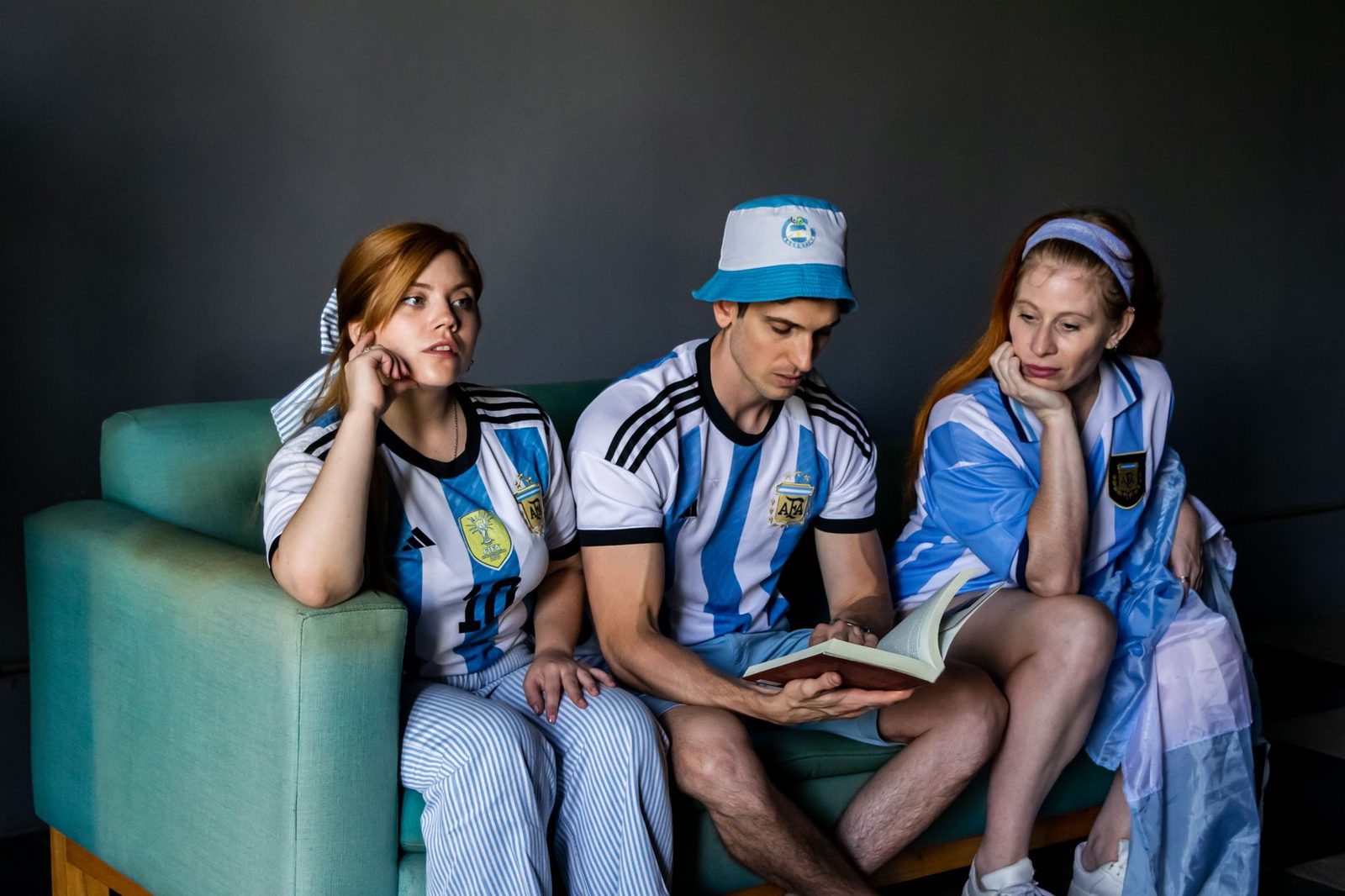
Fandom culture also drives entire supply chains most fans never see. Merchandise licensing is one of the clearest examples. A single popular character can generate income through toys, clothing, and collectibles for years after a show ends.
This is where policy and economics quietly shape fan experiences. Licensing agreements determine which countries get access to certain merchandise first. Import rules affect how much a poster or figure costs at a convention booth. Trade agreements can even change how fast a new season reaches international streaming platforms.
Studios rely on organizations like the U.S. Patent and Trademark Office to protect character designs and brand names. Without strong trademark protection, fan-driven merchandise markets could collapse into confusion, with counterfeit goods undercutting official products.
Fandom culture also fuels convention economies. Cities compete to host major fan gatherings because they bring hotel bookings, restaurant traffic, and tourism dollars. A single weekend convention can support hundreds of temporary jobs, from security staff to food vendors.
This economic layer often goes unnoticed by casual observers. But it explains why studios invest heavily in fan engagement teams. These teams are not just about goodwill. They are financial infrastructure for the whole entertainment supply chain.
Fan-Created Content and Its Legal Gray Zones
One of the most creative parts of fandom culture is fan-made content. This includes fan fiction, fan art, remix videos, and cosplay costumes. These works often exist in a legal gray area.
Copyright law protects original creators. That means characters and stories technically belong to studios or publishers. Yet most companies quietly tolerate fan content because it builds free marketing and deepens loyalty.
Some studios go further. They officially license fan conventions or invite fan artists to work on merchandise. Others crack down hard, sending legal takedown notices when fan projects seem to compete with official products.
This tension creates real uncertainty for fan creators. A fan artist might build a modest income selling prints at conventions, only to face a legal challenge years later. Understanding basic copyright rules, such as those explained by the U.S. Copyright Office, helps fans know their rights and limits.
Despite these risks, fan creativity keeps growing. It reflects a simple truth: fans do not just want to consume stories. They want to help shape them, even if that means testing legal boundaries.
What This Means for the Future of Entertainment
Fandom culture is not a passing trend. It is becoming a permanent part of how entertainment gets made, funded, and sold. Studios that ignore fan communities risk losing relevance quickly.
Practical steps for anyone watching this space include tracking fan campaigns on social media, since these often predict which shows get renewed or which movies get sequels. It also helps to follow licensing news, since trade and trademark decisions shape merchandise availability worldwide.
Our analysis suggests the next major shift will involve fans participating even earlier in production. Some studios already test early scripts or concept art with select fan groups. This could expand, blurring the line between audience and creator even further.
At the same time, legal and economic frameworks will need to catch up. Copyright rules, licensing agreements, and international trade policies were not built with today's fast-moving fan communities in mind. Expect ongoing debate about how much control studios should keep versus how much space fans deserve to create freely.
Key Takeaways
Fandom culture has moved from the sidelines to the center of entertainment decision-making. Fans now shape casting, saving shows, merchandise design, and even international licensing strategy. This shift brings real economic weight, from convention tourism to global trademark protections.
For fans, creators, and industry watchers alike, understanding fandom culture means understanding a key economic and cultural force. It will keep shaping what stories get told, and who gets to help tell them, for years to come.
For more context, read Complete Guide to Pop Culture Trends: What Matters Now.
For more context, read streaming services.
For more context, read Rare Comic Book First Issues Worth Money.