
Picking the right streaming services feels harder than picking a favorite fighting game main. Every platform promises must-watch shows. Every platform also asks for your money each month. The real question is simple: which streaming services actually earn a spot in your budget?
The answer depends on what you watch, how much you watch, and how many people share your account. A household full of sports fans has different needs than someone who just wants prestige dramas. This guide breaks down the major streaming services, their content, and their pricing. By the end, you will have a clear way to decide what stays and what gets cut.
Think of this less like a ranking and more like a strategy guide. We will look at content libraries, price structures, and the real math behind bundles. That way, you can build a lineup of streaming services that fits your life, not just your FOMO.
What "Streaming Wars" Really Means

The term "streaming wars" gets thrown around a lot. It describes the competition between major platforms for your attention and your wallet. Each big player wants exclusive shows you cannot get anywhere else. That exclusivity is the whole strategy.
Years ago, one or two services covered most of what people wanted to watch. Now, studios split their content across many streaming services. A show that once aired on cable might now live only on one app. This forces viewers to juggle several subscriptions just to keep up with popular shows.
For fans of niche genres, this shift cuts both ways. Anime lovers, esports fans, and cult movie buffs often find dedicated platforms built just for them. But general audiences end up paying for several streaming services just to watch a handful of shows each. Understanding this landscape helps you avoid overpaying for content you barely touch.
Comparing the Big Streaming Services
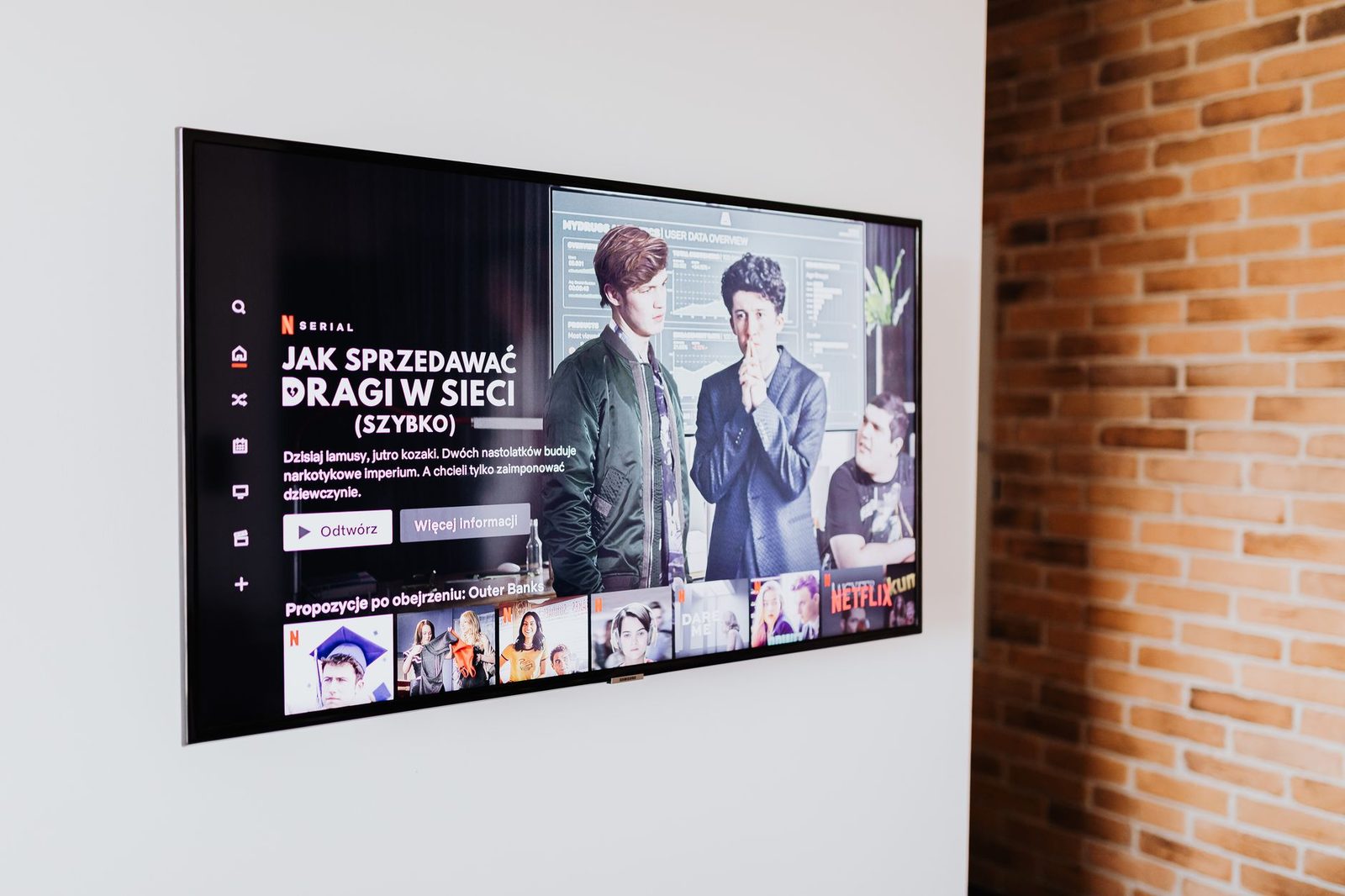
Most major streaming services fall into a few categories: broad entertainment, live sports and news, and niche or genre-focused platforms. Knowing which category matches your habits makes decisions much easier.
Broad Entertainment Platforms
These services offer huge libraries. They mix original shows, movies, and older classics. They work best for households with mixed tastes, like one person who loves comedies and another who wants documentaries.
The tradeoff is cost. Broad libraries often come with higher subscription tiers, especially if you want ad-free viewing or 4K resolution. Before committing, check whether the shows you actually want are exclusive to that platform or available elsewhere for less.
Live Sports and Events
If you follow esports, traditional sports, or live events, this category matters most. Some streaming services specialize in live content, including tournament broadcasts and post-game analysis. These platforms often charge a premium during active seasons.
For readers who follow fighting game tournaments or esports leagues, this is where research pays off. Some events stream free on official channels, while others require a paid subscription for full match coverage. Always check before assuming you need a premium plan.
Niche and Genre-Focused Services
Smaller streaming services often serve specific fan communities. Horror fans, anime fans, and classic film lovers all have dedicated platforms built around their interests. These services usually cost less than the big players.
They also avoid clutter. Instead of scrolling through thousands of unrelated titles, you get a curated library built for your taste. For dedicated fans, this focus often delivers more value than a broad, expensive platform.
Pricing Models: Ad Tiers, Bundles, and Hidden Costs
Pricing across streaming services has grown more complex. Most platforms now offer at least two tiers: one with ads and one without. Ad-supported tiers cost less each month but interrupt your viewing.
Some viewers do not mind ads if it means saving money. Others find them frustrating, especially during binge-watching sessions. Decide early which tradeoff works for your household.
Bundles have also become common. Companies now package multiple streaming services together at a discount. This can save money, but only if you actually use every service in the bundle. Paying less for three platforms is not a deal if you only watch one of them.
Hidden costs matter too. Some services charge extra for 4K streaming or multiple simultaneous screens. Others limit password sharing, which raises the real cost for shared households. Before signing up, check the fine print on these limits.
Canceling can also be trickier than signing up. Many platforms use automatic renewal, and stopping a subscription sometimes requires several steps. The Federal Trade Commission's guide on canceling subscriptions explains your rights and what companies must disclose before charging you again.
Practical Steps: How to Choose the Right Streaming Services for You
With so many streaming services competing for attention, a simple decision process helps. Here is a practical way to sort through the noise.
- List your must-watch shows. Write down the titles you truly care about, not just ones you might check out.
- Match shows to platforms. Figure out which streaming services actually carry those titles as exclusives.
- Calculate real monthly cost. Add up subscriptions, including ad-free upgrades and multi-screen fees.
- Rotate instead of stacking. Subscribe to one platform at a time, binge what you want, then cancel and move to the next.
- Check your internet plan. Streaming in high definition requires a stable connection. The FCC's broadband speed guide can help you confirm your connection supports smooth playback.
This rotation strategy works especially well for fans who follow seasonal content, like esports tournaments or limited anime runs. Subscribe during the season, then step away once it ends. You save money without missing what matters.
Our analysis suggests most households overpay by keeping subscriptions active long after they stop watching. A quarterly review of your streaming services can catch this waste before it adds up.
Key Takeaways
The streaming wars are not going away soon. New platforms will keep launching, and pricing will keep shifting. But you do not need every service to enjoy great content. Focus on the shows and events that matter most to you, then choose streaming services that deliver those specifically.
Review your subscriptions often. Cancel what you no longer watch. Rotate platforms around seasonal content instead of paying for everything year-round. With a little strategy, you can enjoy the best of what streaming services offer without draining your wallet every month.
For more context, read Complete Guide to Pop Culture Trends: What Matters Now.
For more context, read fandom culture.
For more context, read How YouTube's ad revenue share actually works.