A streaming platform greenlights a show after a chain of steps that usually takes six months to a year: a pitch meeting, a script deal, a straight-to-series order and a budget approval. Unlike the old broadcast model, pilots are rare on streaming. Executives commit to a full season based on the pitch, the writers' track record and how the project fits gaps in the catalog, then watch the data closely once it airs to decide what survives.
What happens at the pitch stage?
Everything starts with a pitch, often 20 to 30 minutes in a conference room or on a video call. Writers and producers describe the concept, the characters and several seasons of story. Showrunners with past hits can sometimes sell in a single meeting, while newer creators attach a star or a studio first to gain credibility. Executives listen for two things: a clear hook they can describe in one sentence, and a fit with what the platform thinks its subscribers lack, whether that is a crime drama, a romantic comedy or a family animation.
Why did the pilot disappear?
Pilots were the broadcast system: make one episode, test it, order a season if the numbers work. Streaming broke that model because platforms do not sell advertising against individual episodes and because pilot production is expensive. Most streamers now order shows straight to series, betting on the whole season at once. The trade-off is risk: without a pilot to test, a show that does not work is discovered only after 150 million dollars or more has been spent. That is one reason orders have become shorter, with eight-episode seasons now standard.
Who actually says yes?
The decision chain runs from a development executive, who champions the project internally, up to the head of content and, for the biggest bets, the company's chief executive. Each stage tests a different question. Development asks whether the show is good. Business affairs negotiates the deal, usually a cost-plus structure where the platform pays production costs plus a premium and keeps ownership. Finance asks whether the projected audience justifies the spend. Marketing weighs whether the show can be sold in a poster and a 30-second spot.
How much does data drive the decision?
More than outsiders usually assume, but less than the mythology suggests. Platforms know exactly what their subscribers watch, finish and abandon, and they commission to fill observed gaps: if subscribers binge Korean crime series, buyers hunt for more of them. Original research also shapes format choices, such as unscripted documentaries that cost a fraction of scripted drama. But hits rarely come from data alone. Squid Game was passed on by several buyers before Netflix said yes, and no dashboard predicted it would become the platform's biggest non-English hit in 2021.
What is the money model on streaming?
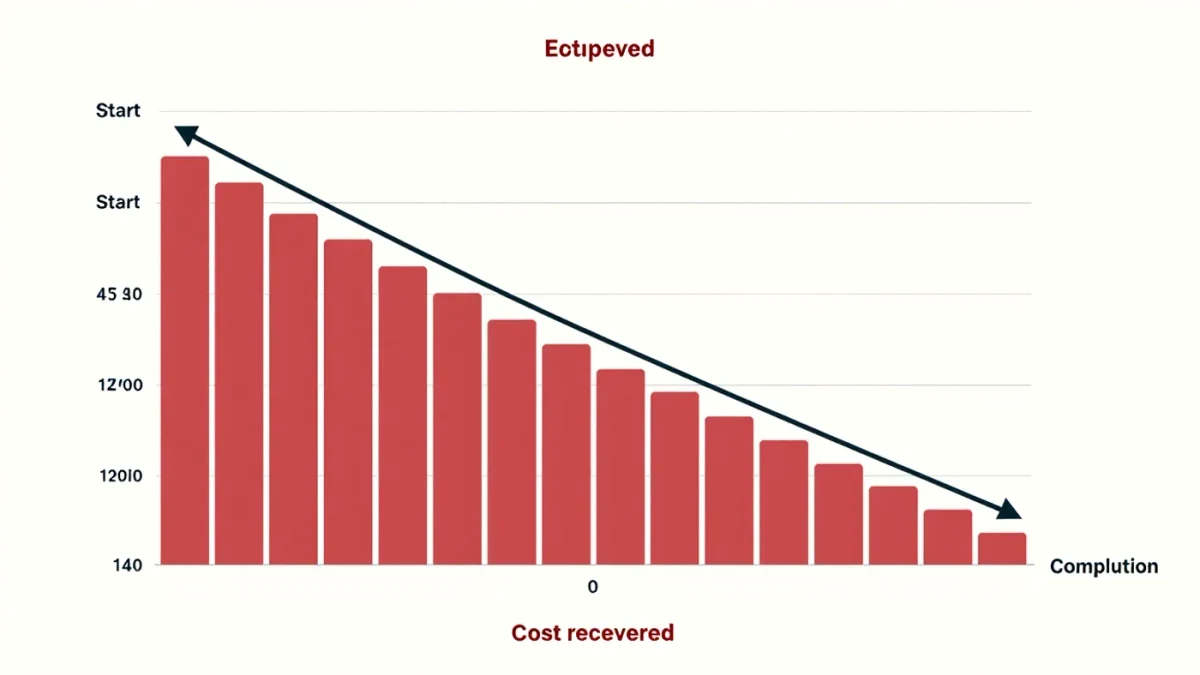
Cost-plus is the defining difference from the old studio system. The platform pays the full production budget plus a negotiated premium, typically around 20 to 30 percent, and owns the show outright. Creators get paid reliably and give up backend profits, because streamers do not sell tickets or syndication in the traditional way. This is also why cancelled shows often vanish: once a platform owns a title outright and its data shows few new viewers, keeping it has no financial value, and licensing it to a rival seems counterproductive.
What happens after the order?
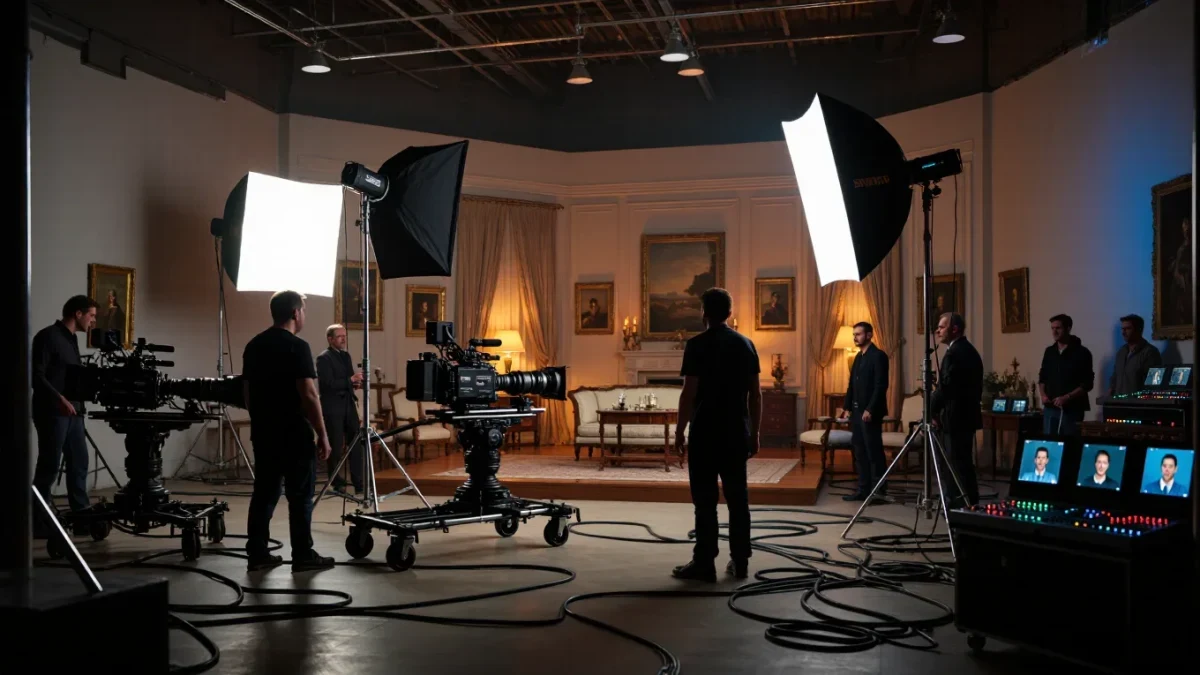
Production runs through writing, casting, shooting and post-production, usually 12 to 18 months before release. During this window the platform decides on a release strategy: a full-season drop, weekly episodes or a split format. Marketing begins roughly two months before launch, and the first 28 days of viewing data heavily influence renewal. Executives look at completion rates, how many new subscribers a show attracts and how it affects retention of existing ones.
Why do good shows get cancelled so fast?
Because renewal is a cold financial calculation, not a verdict on quality. A second season costs more than the first, since casts and creators renegotiate upward. If the data shows the show drew viewers who already subscribed and stopped watching after finishing, it did its job and a renewal adds little. This explains the pattern viewers hate most: a promising show cancelled after one season with its story unfinished. It is not confusion on the platform's part. It is the system working exactly as designed.