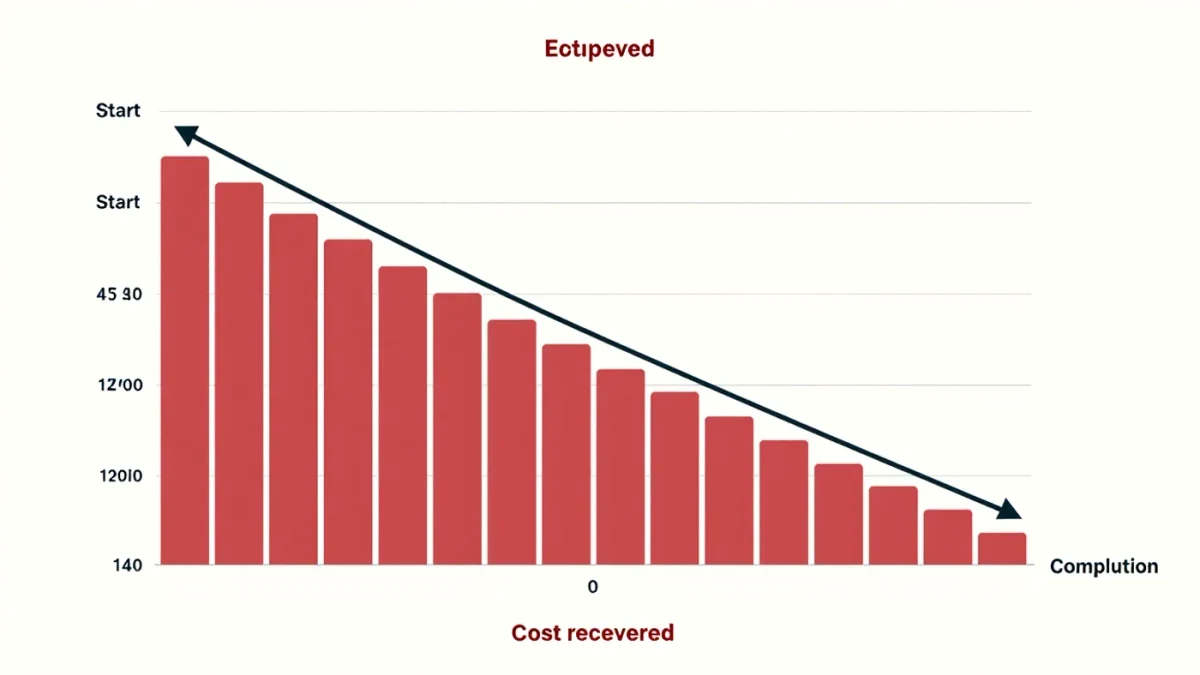
Prestige television costs two to five times more per episode than volume programming, and the streaming industry spent the late 2010s betting the difference would pay off in awards, buzz and subscribers. By 2022 the math stopped working. Platforms discovered that unscripted series, international dramas and cheap formats retained subscribers nearly as well as 15-million-dollar episodes, and the prestige arms race gave way to volume and discipline. The result is the modern split: a handful of event dramas per year, surrounded by a much larger field of modestly budgeted shows.
What is prestige TV, exactly?
The label emerged with HBO in the late 1990s and 2000s, when shows like The Sopranos and The Wire proved television could carry novelistic ambition. Prestige means cinematic craft, serialized slow-burn storytelling, acclaimed actors and showrunner-driven authorship. Streaming adopted the template and inflated it: The Crown reportedly cost around 13 million dollars per episode, and Amazon's Lord of the Rings adaptation was reported at over 450 million dollars for its first season. These shows exist to define a brand, not merely to fill a schedule.
Why did streaming spend so much on prestige?
Because in the growth years, each platform needed a signature. Stranger Things, The Mandalorian and The Morning Show were arguments for subscribing, discussed at water coolers and awards ceremonies alike. Subscriber acquisition justified almost any budget: if a 300-million-dollar season attracted five million long-term subscribers, it was cheaper than the equivalent advertising. Wall Street rewarded scale, so spending on visible quality was rational, even when the shows themselves lost money on paper.
What is the volume strategy?
The opposite bet: many shows at lower cost, aimed at different niches. Reality competition, true crime, international co-productions, romance and procedural dramas are cheap to make and reliably watched. Volume fills the catalog so every subscriber always finds something, which matters more for retention than for buzz. It also spreads risk: ten modest shows failing is survivable, one tentpole failing is a write-down that makes news.
What changed in 2022?
Profits replaced growth as the measure of success. When the Warner Bros. Discovery merger triggered industry-wide cost cutting, executives looked at viewing data and found that expensive prestige shows rarely drew audiences proportional to their budgets. The industry pivoted to fewer scripted orders, shorter seasons and a flood of unscripted content. Netflix's Tudum-era rivals cut development slates, and completed shows were shelved for tax write-offs. The message was blunt: quality alone no longer justified any price.
Which strategy wins on numbers?
Volume, mostly. The most-watched lists on major platforms in the mid-2020s mixed a few tentpoles with a steady majority of reality, documentary and international series that cost a fraction of prestige drama. Ad-supported tiers strengthened the shift, because unscripted formats suit commercial breaks and repeat viewing. Even awards economics changed: limited series with movie stars deliver prestige credentials in six or eight episodes rather than across multi-season commitments, giving platforms the halo at a discount.
Does prestige still matter?
Yes, but as marketing rather than as a business model. One acclaimed drama per year defines how a platform is perceived, attracts creators and justifies premium pricing. Succession, The Bear and Shogun proved that concentrated excellence still generates attention disproportionate to audience size. The strategic role changed: prestige is the flagship that makes the fleet look good, while volume ships the cargo that keeps the business running.
What does this mean for viewers?
A barbell. Expect fewer sprawling ten-episode dramas with movie budgets and more eight-episode limited series with stars, plus an ever-growing supply of reality and documentary. Mid-budget scripted shows, the traditional middle of television, have become the rarest commodity, which is why so many beloved cancellations come from that tier. The industry now bets either big enough to matter or cheap enough to forgive.
Is the pendulum swinging back?
Somewhat. As streaming matured into a profitable oligopoly by 2025 and 2026, platforms regained room for ambition, and live sport plus event drama became the preferred weapons for differentiation. But the discipline remains. Any new prestige bet now faces the question the growth era never asked: will this show earn its budget back, or only its headlines?