Awards prediction is a professional ecosystem: specialized outlets track precursor wins, journalists compile charts, and studios run months-long campaigns designed to be predictable on purpose. The Oscar race became forecastable because the same few thousand voters choose winners through a visible sequence of earlier ceremonies. Understanding that sequence explains why a handful of websites can call most categories correctly months before the envelope opens.
What are precursor awards and why do they matter?
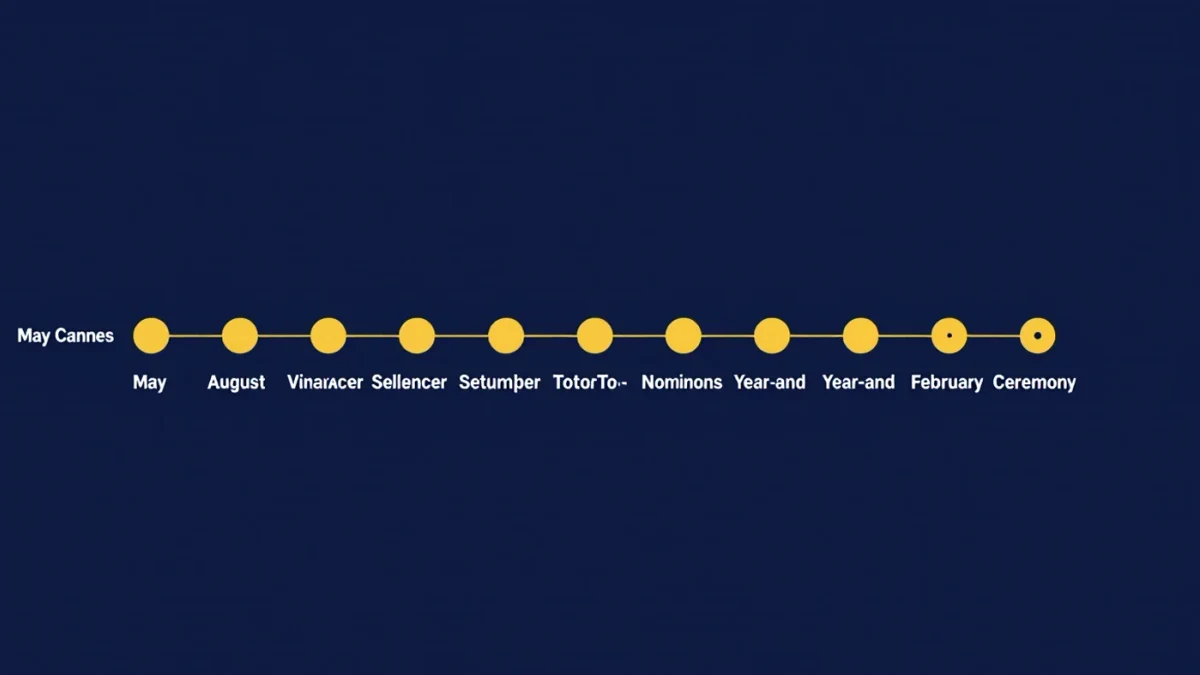
Precursors are the ceremonies that happen before the Academy Awards and share voters or sensibilities with it. The Golden Globes, the Critics Choice Awards, the Screen Actors Guild Awards, the Directors Guild and Producers Guild awards each honor films that later compete for Best Picture. Because guild members overlap heavily with Academy branches, guild winners are the single strongest signal available. A film that wins SAG's ensemble cast prize, for example, has historically gone on to win Best Picture far more often than chance.
Who actually predicts the Oscars professionally?
Several layers of participants. Trade publications cover the campaign beat daily. Dedicated prediction sites and individual forecasters maintain charts that rank contenders by category, updating after every precursor. Journalists who are Academy members' peers report momentum, screening receptions and buzz. And betting markets aggregate all of it into odds. Together these sources form a consensus that studios read as closely as the public does.
- Trade press covering campaigns as news
- Prediction sites with category-by-category charts
- Guild and Critics Choice results as hard data
- Festival reception in Venice, Telluride and Toronto
- Betting markets converting consensus into odds
How accurate can prediction actually be?
Very, in most years, for a structural reason. Oscar voting happens in late winter, after nearly every precursor has announced, so forecasters are reading near-final signals. When the precursor groups align behind one film, the Best Picture outcome is usually settled. The famous upsets happen when precursors split, which is exactly when a professional forecaster's judgment differentiates from a casual reader's. Category upsets in acting races are more common than Best Picture surprises.
What is an awards campaign made of?
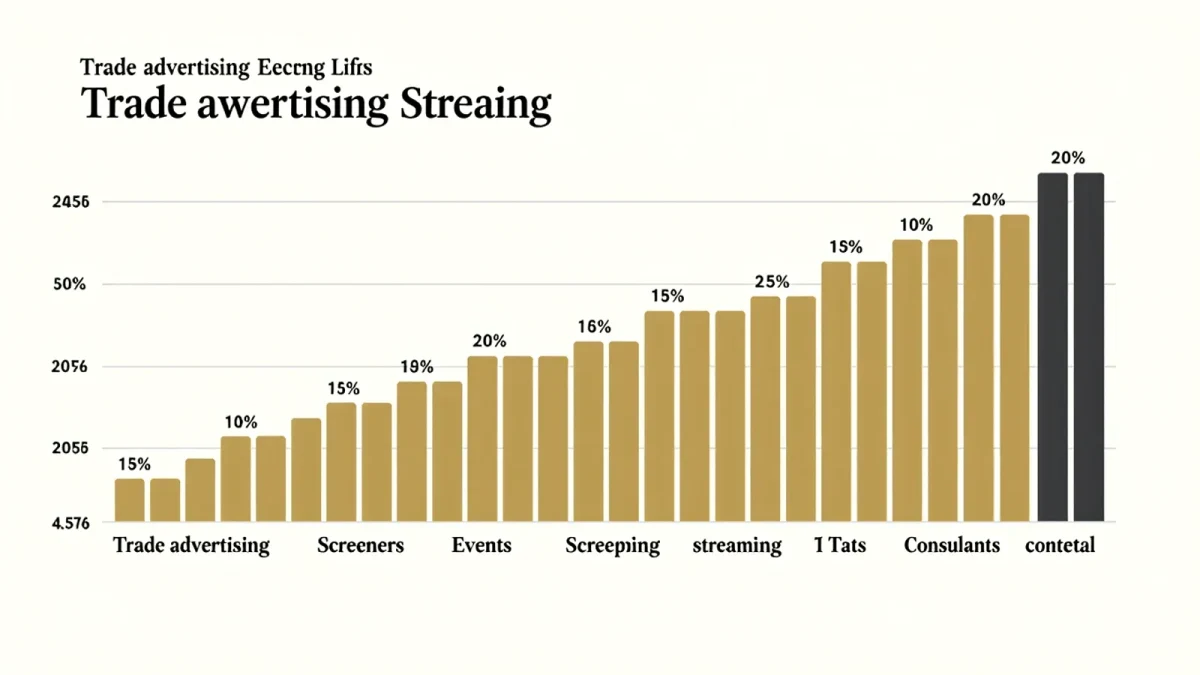
Campaigns run from autumn festival premieres through the final vote, often for months. Studios arrange screenings with question-and-answer sessions for industry voters, send screeners and mailers, place trade advertisements touting reviews and precursor wins, and coordinate talent availability on the press circuit. The work is regulated by Academy rules on what may be sent and said, and violations can cost a film its eligibility. The whole apparatus exists to keep a film in voters' minds across a long voting window.
When did this tracking economy start?
Gradually across the 1990s and 2000s. Harvey Weinstein's Miramax campaigns in the 1990s professionalized aggressive Oscar marketing, and the rise of prediction columns and then dedicated websites turned forecasting into a beat of its own. Once social media added instant reaction to every ceremony and screening, the cycle accelerated: momentum now builds and collapses within a news cycle, and campaigns respond in real time.
Does the prediction industry affect the awards themselves?
Inevitably. Front-runner status drives coverage, coverage drives voter familiarity, and familiarity drives votes, creating feedback loops that prediction charts amplify. Some Academy members have spoken about resisting bandwagon effects, and the preferential ballot used for Best Picture since 2009 rewards broadly liked films over polarizing front-runners, which has produced surprise winners. Prediction is not a neutral observer of the race; it is one of the forces running inside it.
Why do studios care so much about Oscars?
Because awards move money and careers in measurable ways. A Best Picture win or acting Oscar can extend a theatrical run, lift streaming interest for years and raise the price of talent's next contracts. For smaller prestige films, nominations are effectively the marketing budget. The awards economy, from box office bumps to campaign consultant fees, is estimated in the hundreds of millions of dollars each season across the industry.
How should a reader use predictions?
Treat charts as weather reports, not verdicts. A consistent front-runner usually wins, but a split-precursor year means genuine uncertainty, which is when the telecast is actually fun. Follow one or two trackers who explain their reasoning, learn which guild maps to which Oscar category, and enjoy the upsets, because they are the moments the prediction industry works hardest to explain afterward.