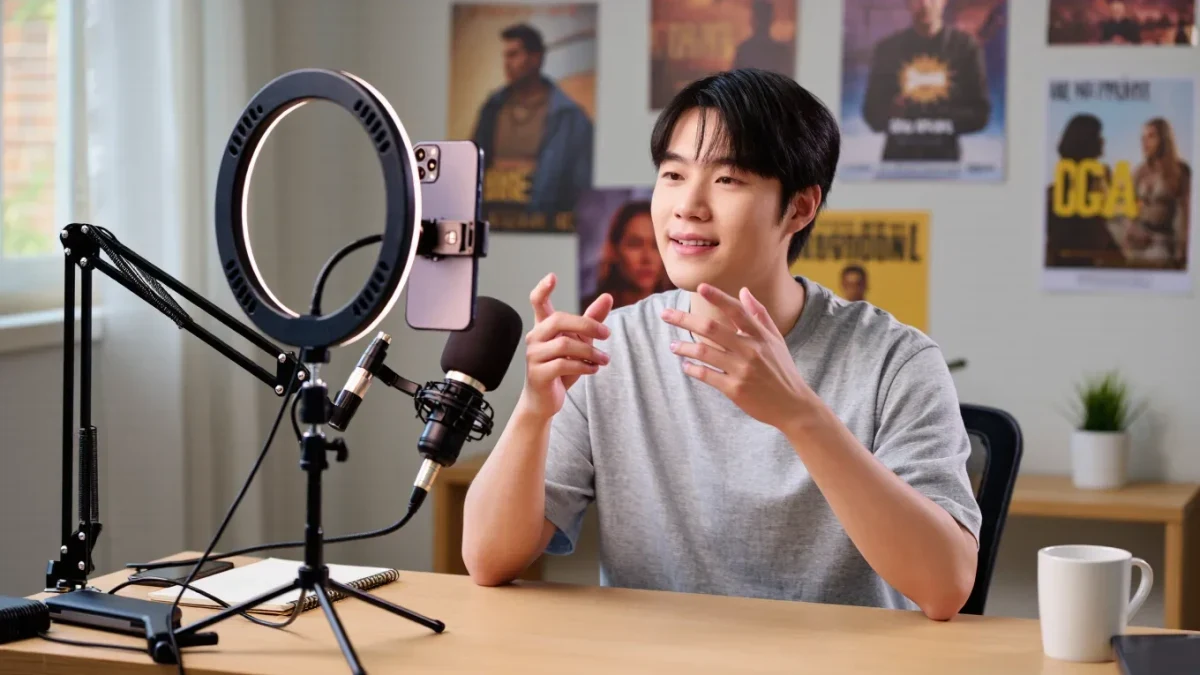
Review culture changed when the audience gained a publishing platform. In the newspaper era a handful of critics set the conversation over days; today thousands of reactions hit social platforms within minutes of a premiere, before professional reviews are even filed. The result is a layered critical ecosystem where professional criticism, creator reviews and crowd reactions all shape how a film or series is received, sometimes in that order, sometimes all at once.
What did criticism look like before social media?
Slow and centralized. Reviews appeared in newspapers and magazines on fixed schedules, television critics had weekly columns, and the cycle ran on a delay of days. A film's critical identity formed over a week or two of print, and audiences met it through one or two trusted local voices. Consensus took time to build, which gave unpopular openings room to find defenders and popular ones room to disappoint.
How did social platforms change the timeline?
Compression happened first. Festival audiences now tweet reactions from the first screening, and by the next morning a film's reputation can be set in hashtags. Professional critics adapted with same-day festival reviews and embargo-coordinated publication, so dozens of reviews drop within the same hour. Studios adapted too, timing announcements and trailers to reaction waves. The whole evaluation cycle compressed from weeks to hours.
What role do creators and video essayists play?
A large and growing one. Video reviewers, podcasters and newsletter writers built audiences that rival legacy outlets, and their formats, long video essays, reaction content, ranking lists, suit how younger audiences process criticism. Their advantage is relatability: a creator who explains a film's themes in conversational language reaches viewers who never read a formal review. Their constraint is the same as any critic's, calibration and consistency over time.
- Legacy critics: institutional authority and archives
- Independent creators: conversational format and fandom fluency
- Podcasts and newsletters: depth and personality-driven trust
- Aggregators: compressing everything into scores
- Community forums: crowd consensus and taste matching
What did the shift do to the tone of criticism?
It pulled it in two directions. Outrage travels faster than nuance, so hot takes and extreme verdicts get amplified, and some outlets and creators lean into that economy. At the same time, a counter-trend of long-form, patient criticism has flourished in newsletters and video essays, where depth is the selling point. The middle, the modest 600-word mixed review, has thinned out because it is the least shareable format.
How do studios and publicists use this ecosystem?
Actively. Social reaction is now part of the marketing machine: quote cards are engineered to be screenshotted, premiere audiences are curated, and review embargo timing is a strategic decision. Publicists court creators as much as critics, offering access in exchange for coverage. The line between criticism and promotion has become genuinely blurry, which makes disclosure and independence more valuable, not less.
Did this era change how audiences choose what to watch?
Yes, decisively. Research into viewing habits, including industry studies of streaming discovery, consistently shows the rising influence of social platforms and word of mouth over traditional marketing and reviews. A viral clip or a passionate fan campaign can drive a series into the top ten faster than any review, while critical acclaim alone no longer guarantees an audience. Discovery has become conversational.
Is professional criticism still relevant?
Relevant, but redefined. Professional critics no longer control the verdict; they provide context, verification and memory. They are the layer that can compare a new series to thirty years of the form, that interviews creators about intent, and whose archives let readers calibrate taste over years rather than per video. The feed gives the instant reaction; criticism gives the record. Both now coexist as separate jobs in the same ecosystem.
What is the healthiest way to consume reviews now?
Mix your sources deliberately. Let the feed tell you what is being talked about, check an aggregator for the shape of consensus, then read or watch one or two full reviews from voices you have learned to trust across time. The modern mistake is treating volume as verdict; ten thousand instant posts measure excitement, not quality, and the strongest filter you own is still a critic or creator whose judgment has proven reliable to you personally.