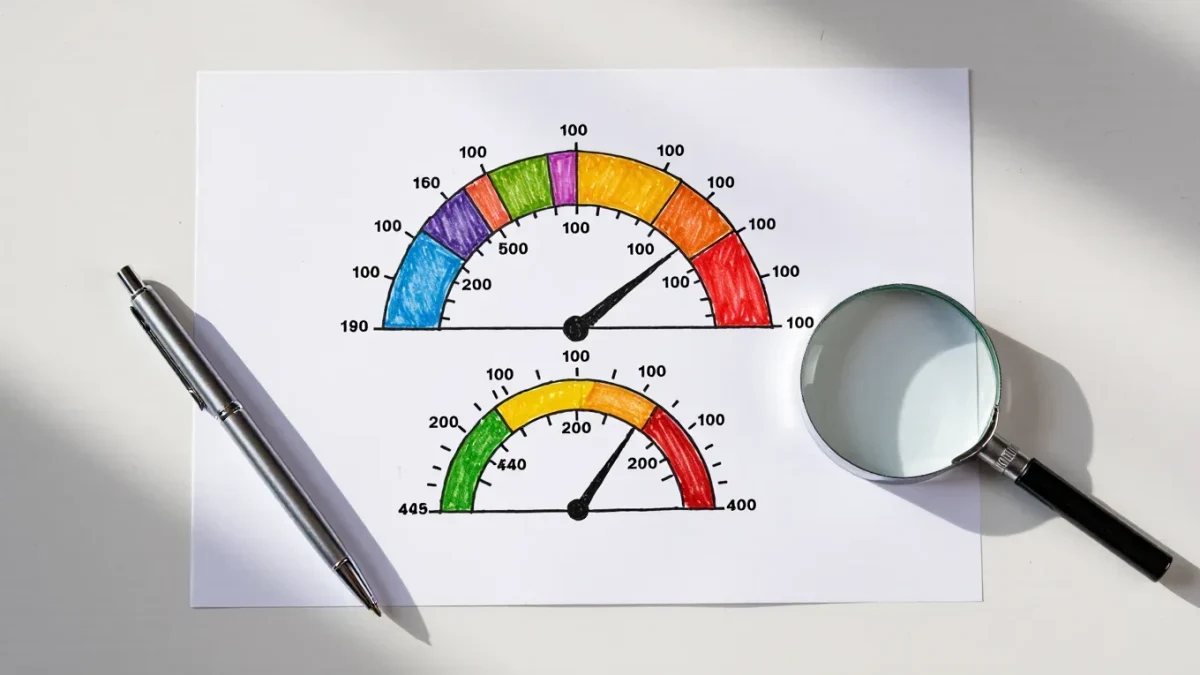
Rotten Tomatoes shows the percentage of critics who gave a film a positive review, while Metacritic converts reviews into a weighted average grade out of 100. That difference sounds technical, but it explains why the same film can look beloved on one site and middling on the other. Reading both numbers correctly tells you more about a movie than either score alone.
How does the Rotten Tomatoes Tomatometer work?
The Tomatometer counts reviews, not quality. For each review, the team classifies it as positive or negative, then publishes the share of positive ones. A film with a 90 percent score does not mean critics rated it 90 out of 100; it means nine out of ten reviewers concluded it was worth a recommendation. This is why the score pairs with an average rating, typically shown on a 10-point scale, which reveals how enthusiastic those positive reviewers actually were. Reviews come from approved critics who meet publishing standards for outlet, output and readership.
What is the difference between fresh and certified fresh?
A tomato means at least 60 percent of reviews are positive; below that sits the green splat. The Certified Fresh badge carries higher thresholds, including a minimum number of reviews, a higher overall percentage and a required average rating, so it signals both consensus and enthusiasm. Because the thresholds are fixed, the badge can appear and disappear as reviews accumulate during a film's run, especially for smaller titles that add reviews slowly.
How does Metacritic calculate its Metascore?
Metacritic reads each review and assigns it a number on a 0 to 100 scale, either using the critic's own grade when it is numeric or estimating one from the text. Each score is then weighted, with more prominent critics and publications counting more, and the weighted average becomes the Metascore. The result is an intensity measure: an 85 means reviews were strongly positive on average, while a 55 means genuine division, even if most reviewers leaned favorable.
Why can the two sites disagree so sharply?
Because they answer different questions. Imagine ten critics: eight give a film a lukewarm three stars, two pan it. Rotten Tomatoes shows 80 percent if three stars counts as positive; Metacritic might show 55, reflecting the mild enthusiasm. Films with polite but unexcited reception score much better on the Tomatometer; films that split critics into lovers and haters often look worse there but land moderate on Metacritic. Neither is wrong; they are measuring different things.
What is the audience score and why does it differ?
The audience score on Rotten Tomatoes aggregates user ratings, historically verified ticket buyers in many cases and now tied to verified streaming data as well. Audiences and critics weigh different values: star power, franchise loyalty, spectacle and emotional payoff count more for viewers, while originality and craft weigh more for critics. Gaps between the two scores are common and, read carefully, informative rather than confusing.
Do these scores actually affect the industry?
Yes, visibly. Studios quote high scores in marketing, platforms have cited internal data linking ratings to subscriber retention, and industry reporting has repeatedly described executives screening rough cuts with aggregator reception in mind. The influence runs both ways: a strong score can extend a small film's theatrical life, while a weak one can push a mid-budget title toward a quiet streaming release. The scores have become part of the business plumbing of Hollywood.
How should a viewer use the numbers well?
A few habits help.
- Check both sites: agreement on Rotten Tomatoes, intensity on Metacritic
- Read the average rating next to the Tomatometer, not just the percentage
- Look at the review spread on Metacritic to spot polarizing films
- Compare critic and audience scores before franchise entries
- Skim two or three full reviews from critics you have learned to calibrate against
What do the scores not tell you?
They do not account for taste fit, mood, or what you personally value in a given genre. A 60 percent comedy can be your favorite film of the year; a 96 percent drama can leave you cold. The scores compress dozens of judgments into one number, and compression always loses something. Use them as a starting filter, then let one trusted critic's actual prose make the final argument.