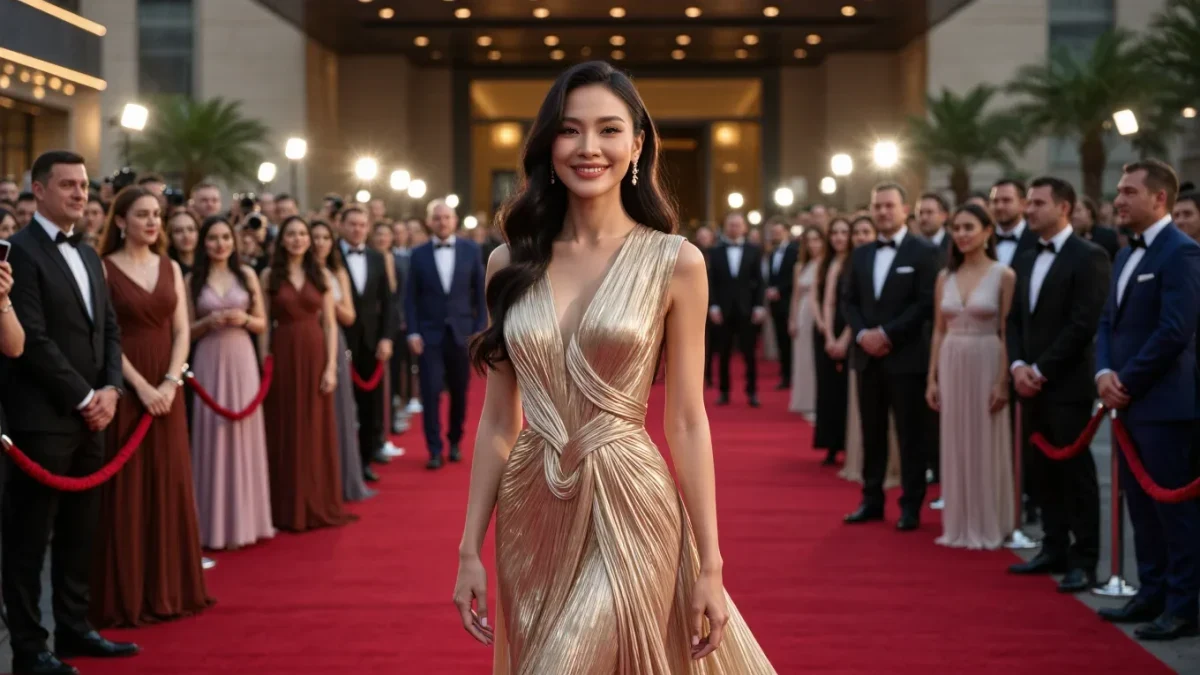
Lupita Nyong'o arrived on the world stage in 2014, when she won the Academy Award for best supporting actress for her film debut in 12 Years a Slave, wearing a pale blue Prada gown that became one of the most remembered looks of that ceremony. In the years since, she has treated the red carpet as a stage in its own right, choosing color, texture and headwear with the precision she brings to characters. Her public style has become inseparable from her career narrative.
How did her breakout night set the tone?
That March 2014 evening established the blueprint. The gown's soft blue was widely discussed for weeks, and the actress worked with stylist Micaela Erlanger, a collaboration that continued through her early campaign season. What made the moment durable was not the dress alone but the coherence of it: hair, makeup and jewelry in dialogue with the gown. It read as a complete, intentional statement from a newcomer, which is rare.
Why is color central to her red carpet reputation?
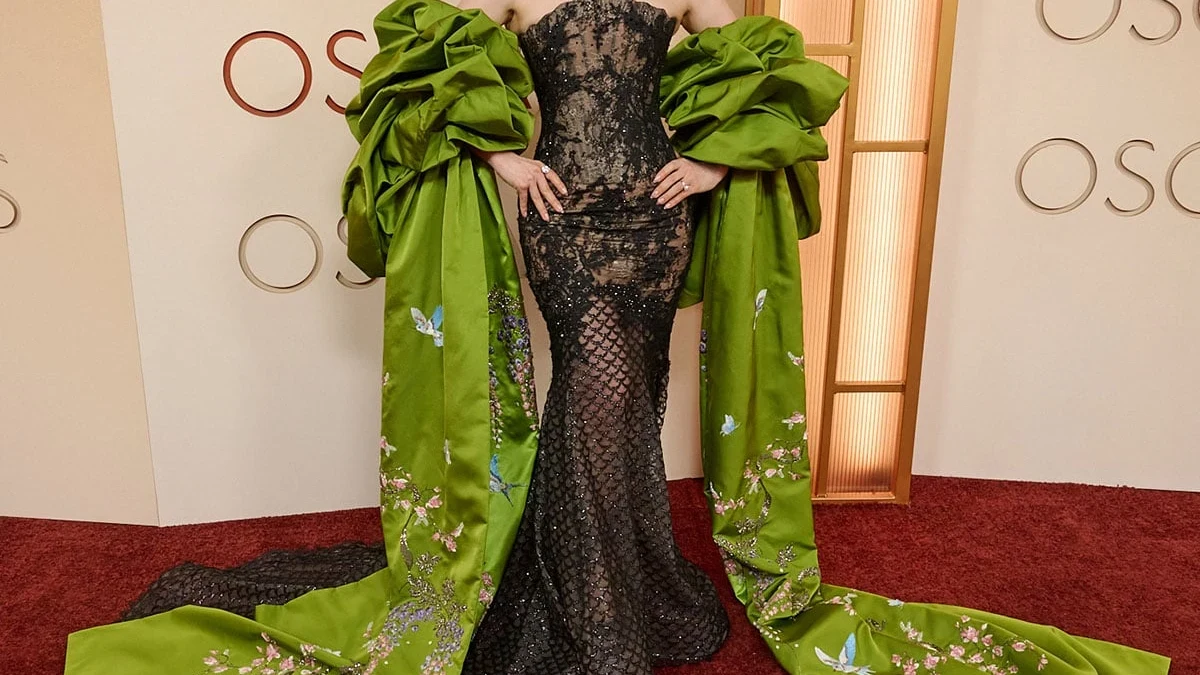
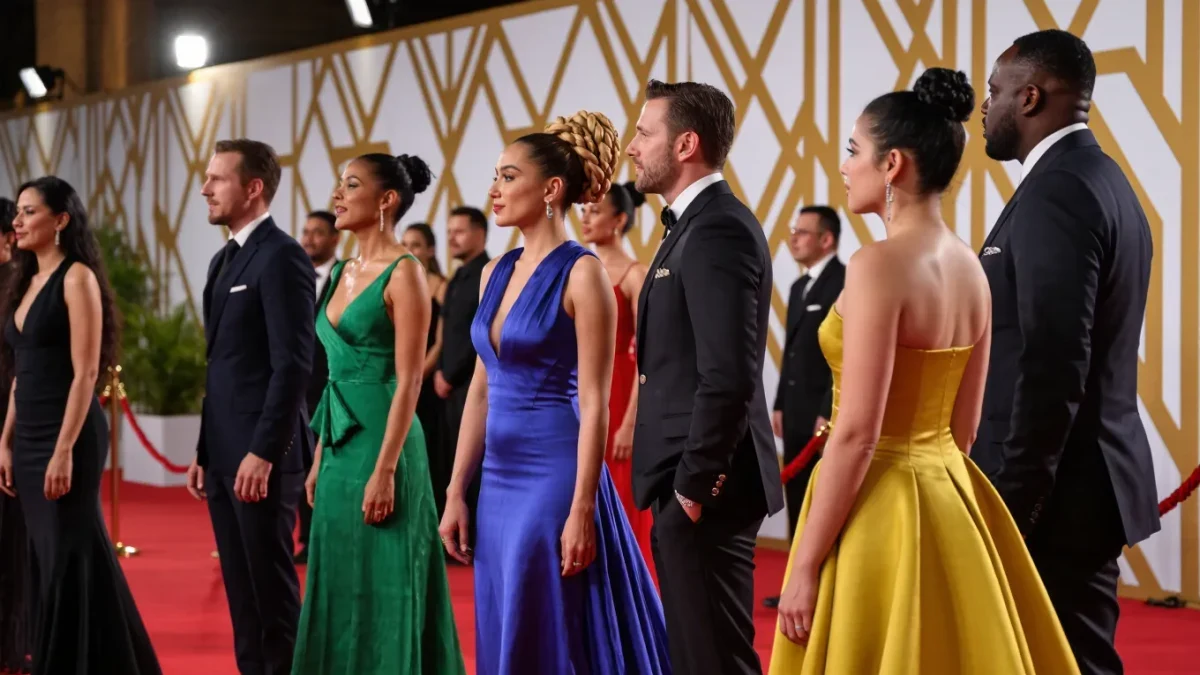
Because she has used it consistently and specifically. Emerald green at the 2014 Golden Globes, a cape dress in red at the Golden Globes in 2015, canary yellow at the Cannes Film Festival: the choices are vivid but never random. Stylists and editors have noted that saturated color became a signature, at a time when many campaign-season wardrobes defaulted to safer palettes. The consistency turned individual gowns into a recognizable body of work.
What role does headwear and hair play in her looks?
A defining one. Nyong'o has often built looks around sculptural hair styling and headbands, from beaded crowns to braided structures that read as couture in their own right. This has the effect of making each silhouette taller and more architectural, and it centers a tradition of Black hair artistry on the largest stages in fashion. The choices photograph clearly from a distance, which is precisely where red carpet images live.
How does her style connect to her roles?
She has repeatedly aligned press appearances with the projects she is promoting. During the tour for Black Panther in 2018, her looks drew on African designers and references that echoed the film's celebration of Afrofuturism, giving the costumes of the movie a real-world continuation. For Us in 2019, the campaign leaned into sharper, more menacing lines. The wardrobe works like a prologue to each performance, which is a stylistic discipline more associated with theater than with Hollywood promotion.
Which designers appear in her story?
Prada, Ralph Lauren, Gucci under Alessandro Michele, Christian Dior and Balmain are among the houses she has worn at major ceremonies, alongside gown moments from smaller labels she has spotlighted deliberately. She has also used her platform to bring attention to designers from Africa and the diaspora, folding that advocacy into campaign season rather than separating it. The result is a red carpet record that functions as both fashion and statement.
What has she said about beauty and representation?
In her acceptance speeches and interviews, including a widely shared 2014 speech at a Black Women in Hollywood event, she has spoken about growing up without seeing her own kind of beauty reflected, and about what visibility means for the audiences watching. Her beauty career reinforces the message: she became a face of Lancôme in 2014, one of the brand's most prominent appointments of that period. The commercial and the personal sides of her image point in the same direction.
Where does the career stand now?
The filmography has broadened from prestige drama to franchise work and genre film, including the Black Panther sequels' universe, horror with Jordan Peele and A Quiet Place: Day One in 2024. Through each phase, the public wardrobe has kept its logic: color as signature, structure as silhouette, meaning as the reason for both. Few careers of her generation demonstrate so clearly that style, handled seriously, is not decoration but part of the storytelling.