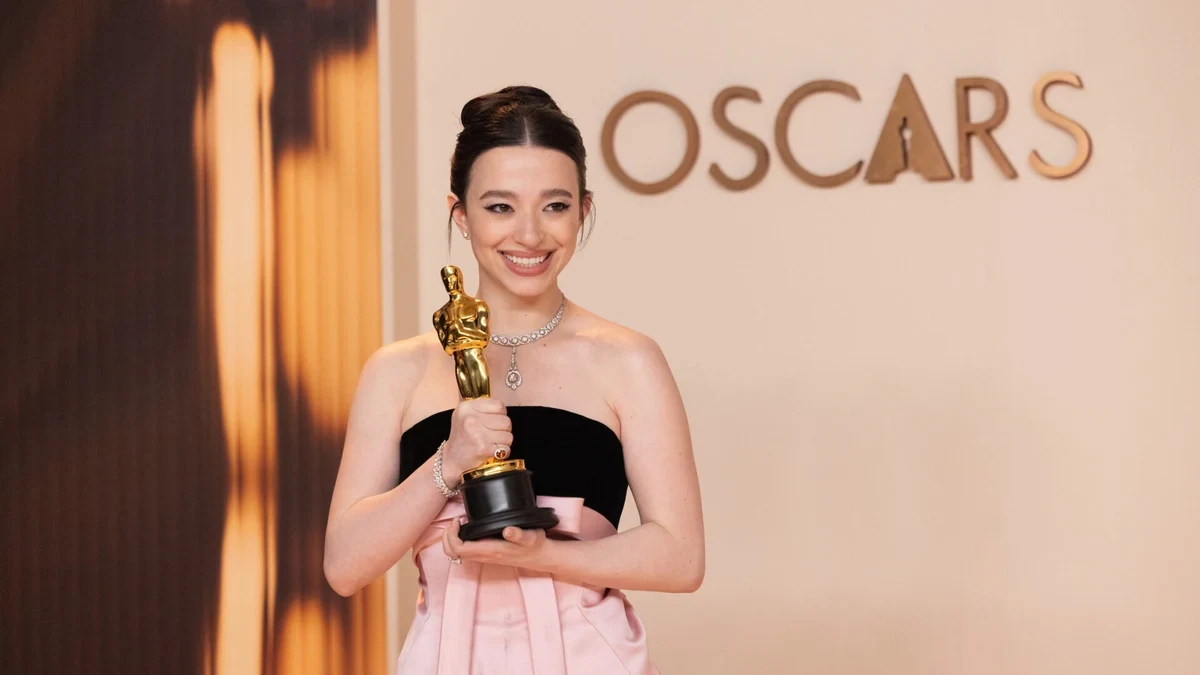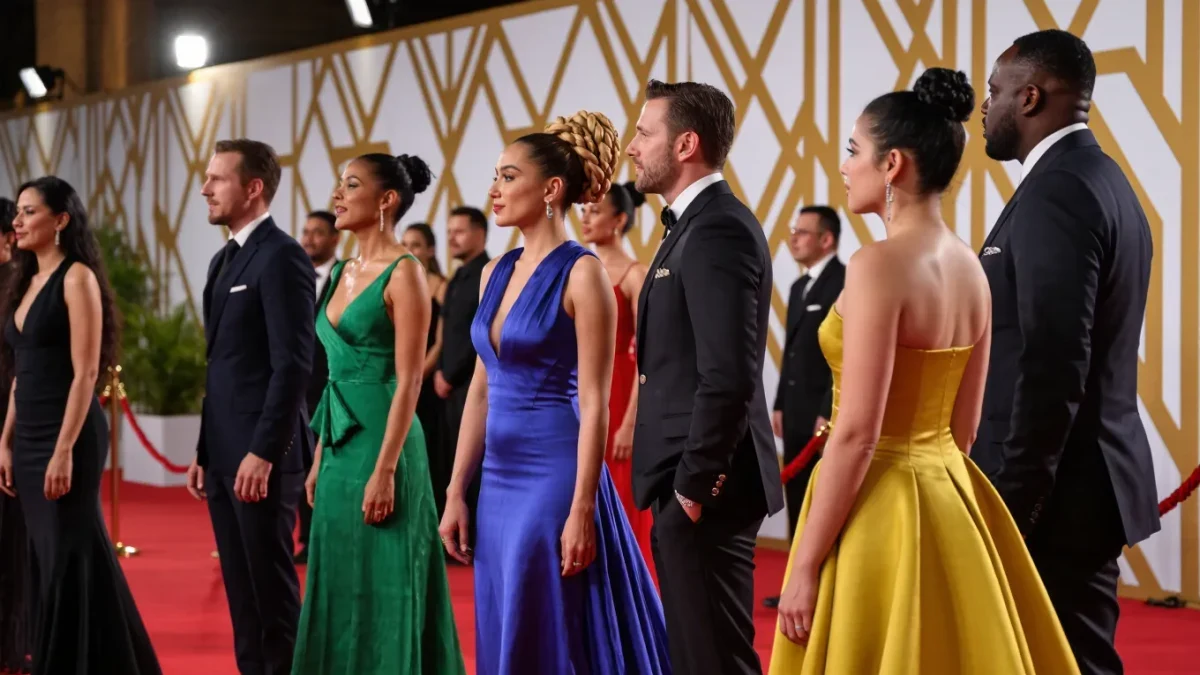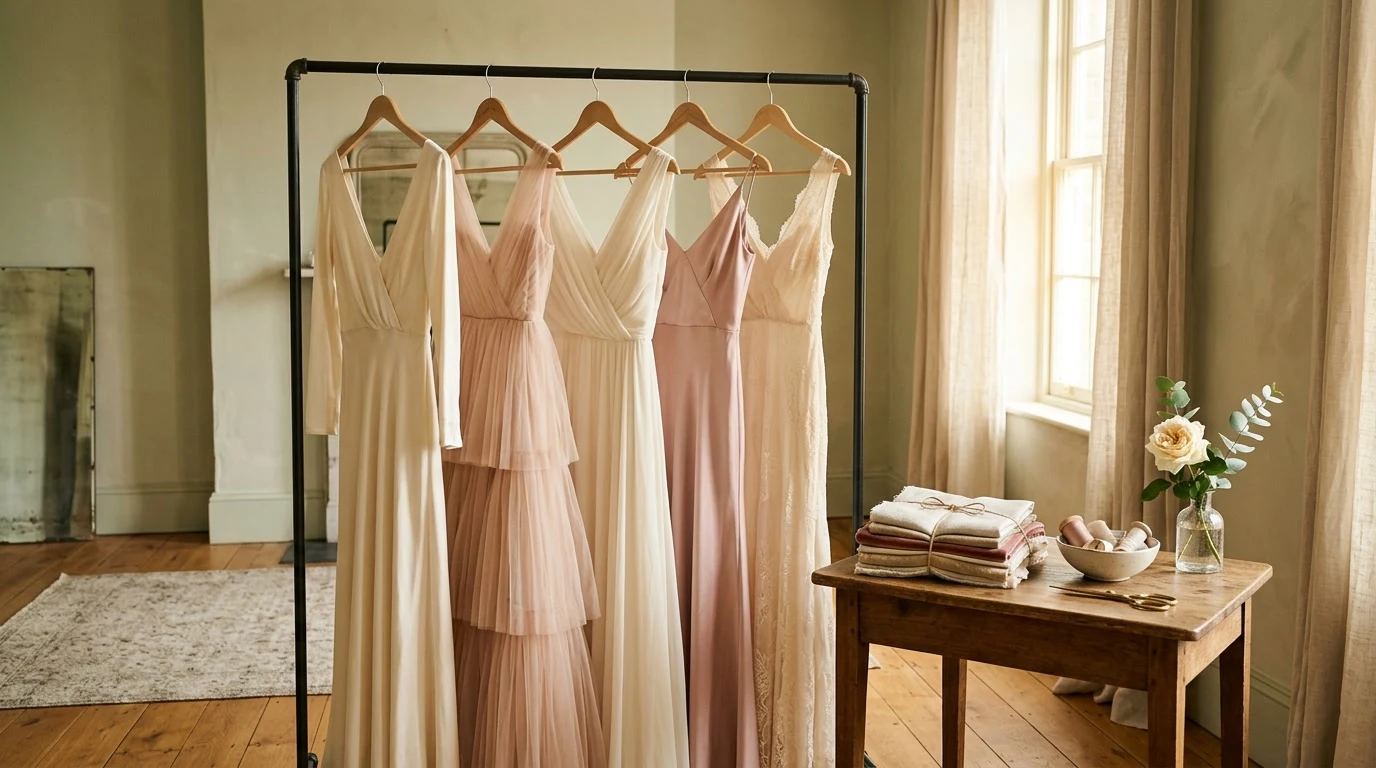
Awards season dressing starts long before the red carpet opens. For a major ceremony like the Academy Awards, stylists begin planning in late autumn, months before the telecast, sketching options, calling design houses and booking fittings around an actor's press schedule. The final look that lands on photographers' grids is the last step of a process that involves studios, publicists, ateliers and insurance policies.
When does awards season dressing begin?
Practically, it begins in November. Once a film enters awards contention, its distributor maps out a campaign calendar that runs from precursor ceremonies in December through the Academy Awards in early spring. Stylists use that calendar to plan a narrative arc, so an actor's clothes at a screening in November, a gala in January and the Oscars in March read as one continuous story rather than ten separate outfits.
What does a stylist actually do first?
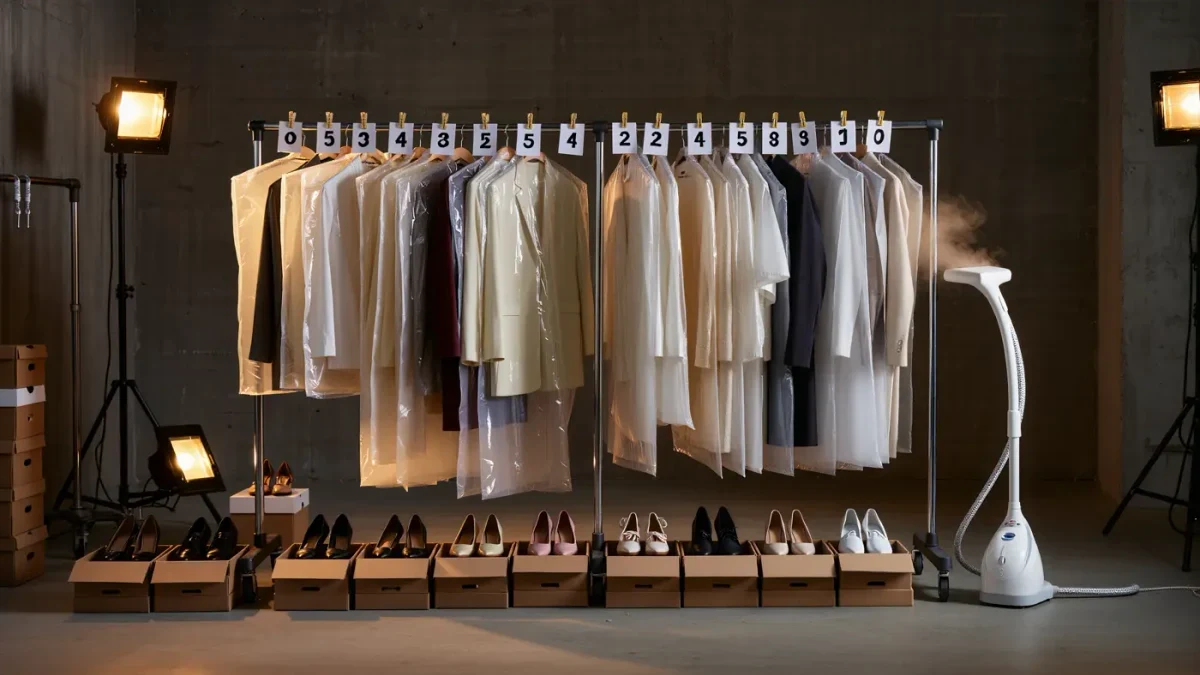
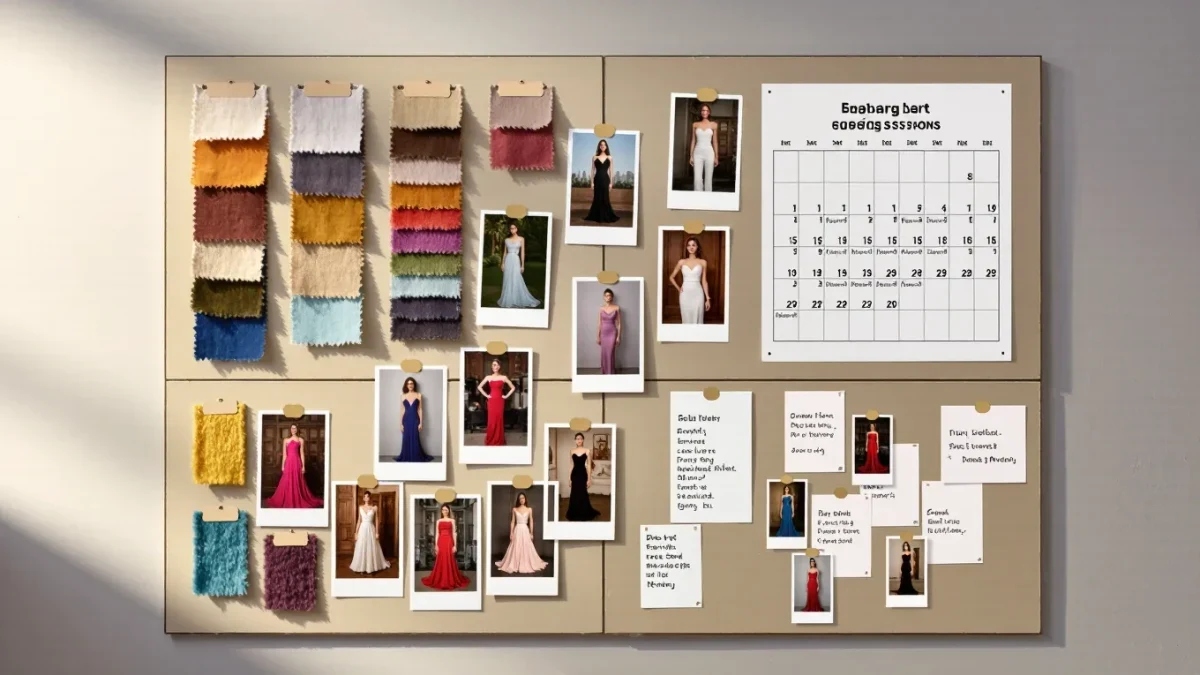
The first move is a mood board, not a shopping trip. The stylist and the client agree on a direction: a color story, a level of formality, references from fashion history. Then the stylist contacts showrooms and design houses to request pieces, a step called the pull. Houses loan gowns, suits and jewelry because a photographed placement on a nominated actor functions as advertising worth far more than a magazine page.
How does a pulling request work?
Design houses receive many requests for the same marquee gowns, so they triage. A best-actress frontrunner may get first choice, while two actors asking for the same dress are quietly separated by the house, which decides who wears it. Exclusivity matters enormously: a stylist will confirm in writing that a look is exclusive to their client for that night. When a house says no, the stylist moves to the next option, which is why they arrive at fittings with dozens of possibilities.
What happens at a fitting?
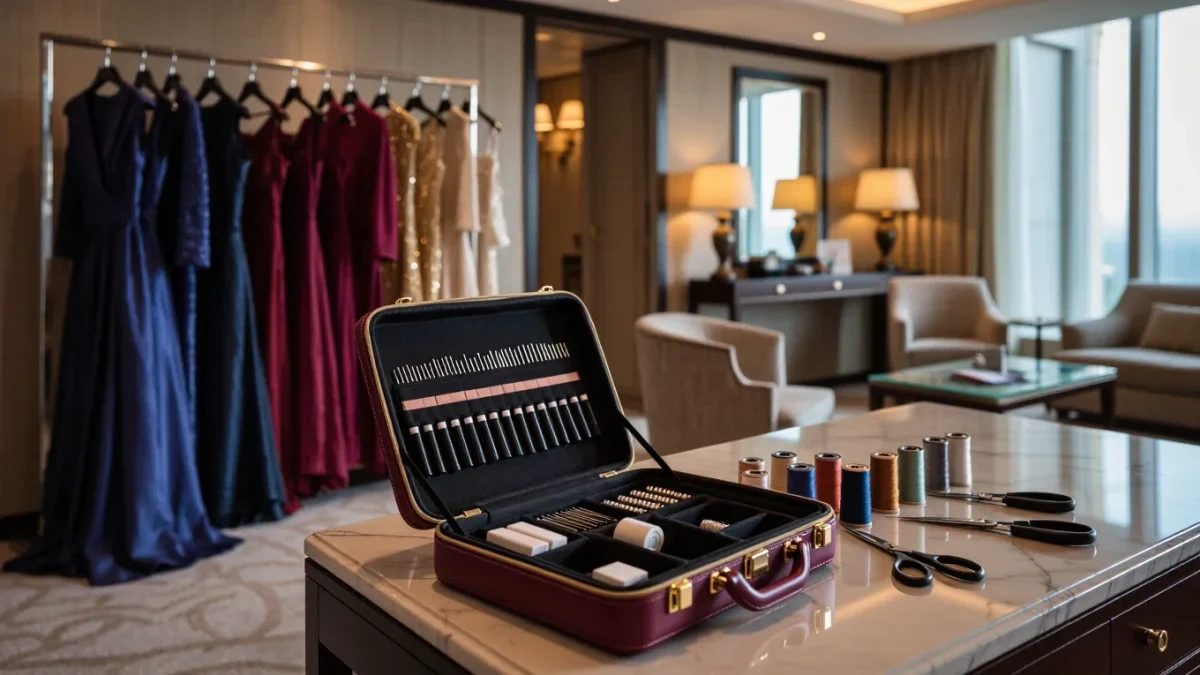
A fitting is a working session, usually in a hotel suite or a stylist's studio. The actor tries on shortlisted pieces while a tailor stands by with pins and chalk. The stylist checks every scenario a camera will create: how the train behaves on stairs, how the fabric reads under flash photography, whether the silhouette moves during a walk that lasts ninety seconds but is replayed for years. Most couture looks are altered specifically for one body and one evening.
Who else is in the room?
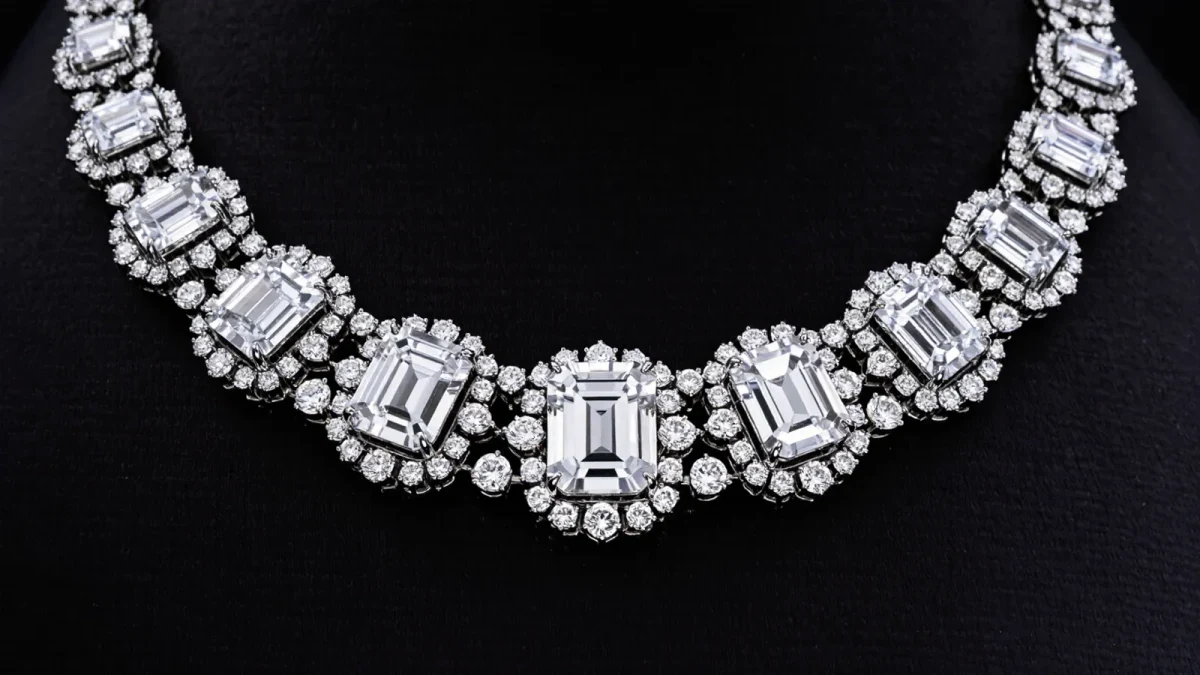
More people than you would expect. A styling team typically includes a hair stylist, a makeup artist, a manicurist and often a tailor, coordinated on a group chat that runs for weeks. Publicists weigh in when a look needs to align with a campaign's tone. Jewelers send representatives to place and secure loaned pieces worth more than the film's catering budget. Getting ready can take a full day, compressed into a handful of photographed hours.
Why do dresses get returned?
Because almost nothing is owned. Gowns, diamonds and watches arrive as loans, logged by the house and returned the morning after the ceremony. The paperwork around a single look can specify alterations, insurance value, and who is liable if a champagne glass meets silk. Some actors do buy pieces with personal meaning, and some houses gift looks to longtime clients, but the default economy of the red carpet is borrowed.
How far in advance is the Oscars look chosen?
Frequently days, sometimes hours. Precursor ceremonies through the winter serve as live tests, and a stylist may hold several final options until the last week, watching weather, campaign momentum and what rival red carpets have already shown. The industry story of a look locked the morning of the ceremony is not myth; alterations teams routinely finish hemlines while the actor is in hair and makeup.
What happens after the carpet?
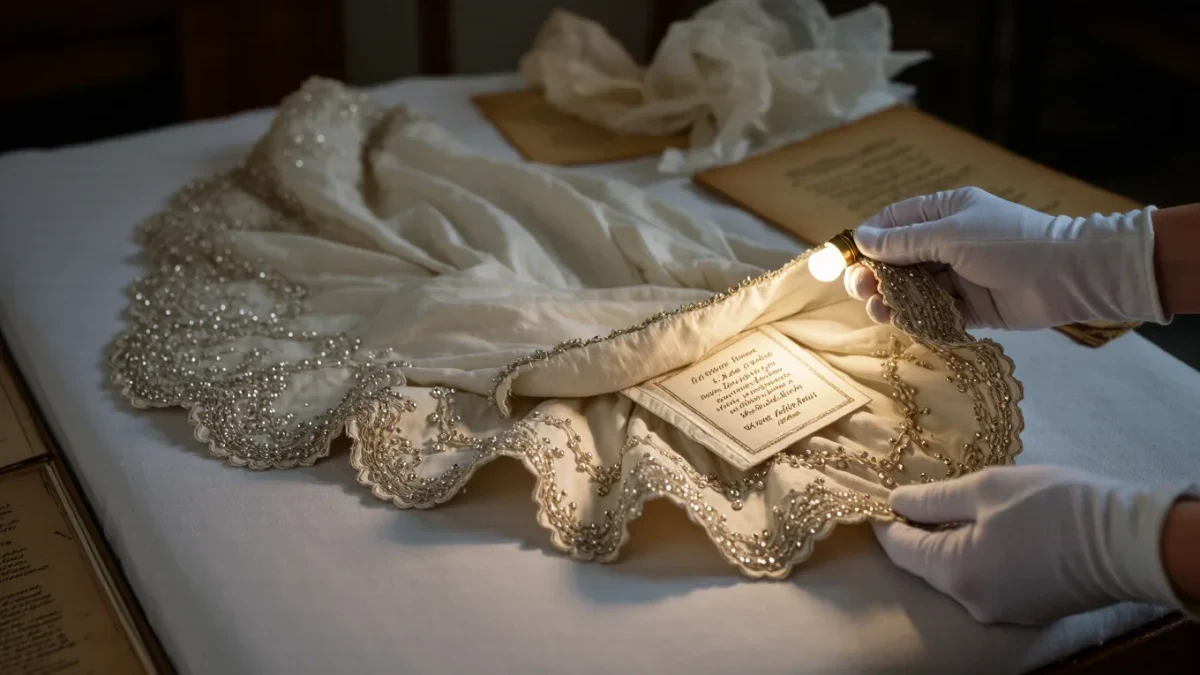
The look enters the archive of the season. Photographs are indexed by fashion databases, credit lists circulate to editors, and the stylist begins the notes for the next event. If the look was widely covered, the design house books the actor's team for future collaborations. One evening of dressing feeds months of editorial coverage, which is exactly the return on investment that funds the whole machine.