A celebrity stylist manages the entire process that produces a single red carpet photograph: choosing the garment, negotiating the loan, fitting it to the client and coordinating hair, makeup and jewelry. The visible result is one look at one premiere, but the underlying work typically begins two to six weeks earlier and involves fashion houses, publicists and brands. By the time an actor steps onto a carpet, dozens of decisions have already been made on their behalf.
How does a stylist find the dress?
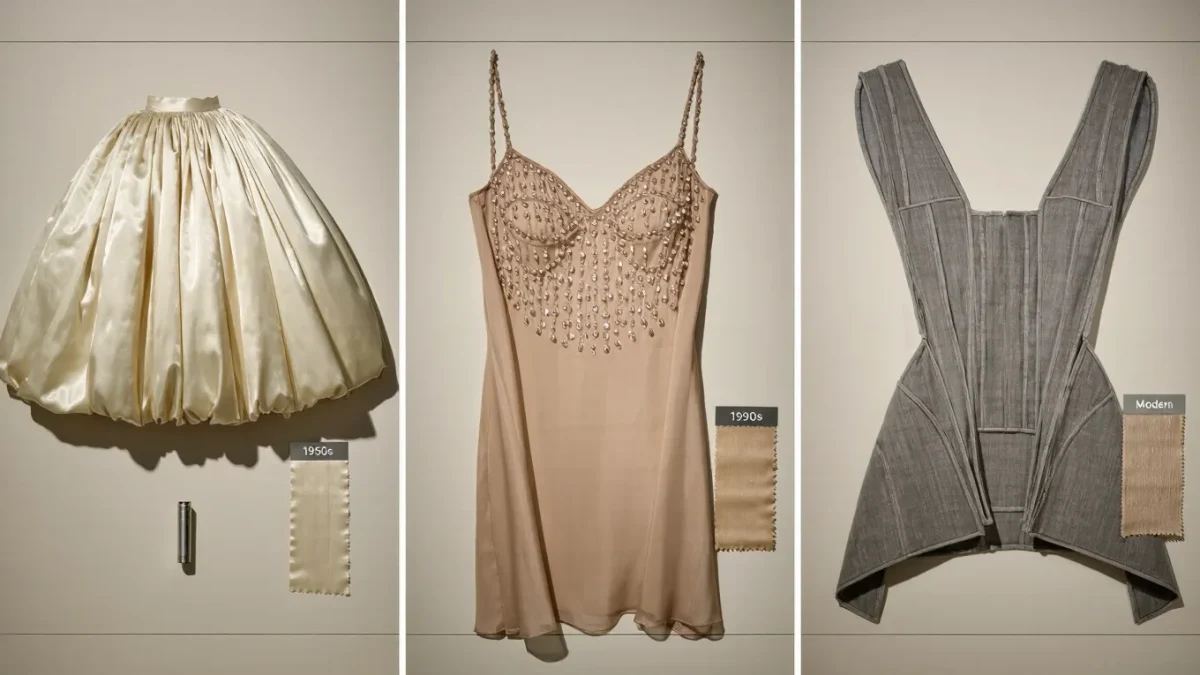
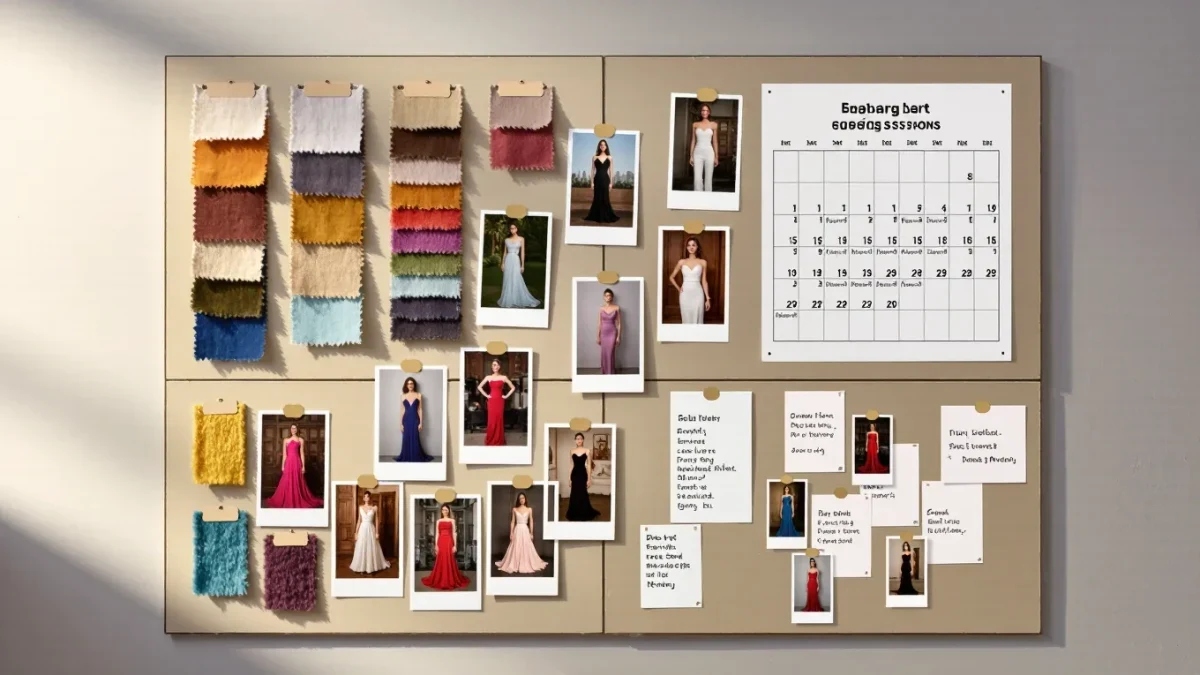
The search usually starts with pull requests. The stylist contacts fashion houses and showrooms, asking to see specific pieces from a current or archival collection, and samples are sent over for review. Options are narrowed by the event's profile: a festival photocall invites different choices than an awards ceremony. Increasingly, stylists also source vintage and archive pieces, which requires checking provenance and condition. The goal is a shortlist of three to six complete options for any major appearance.
What happens at a fitting?
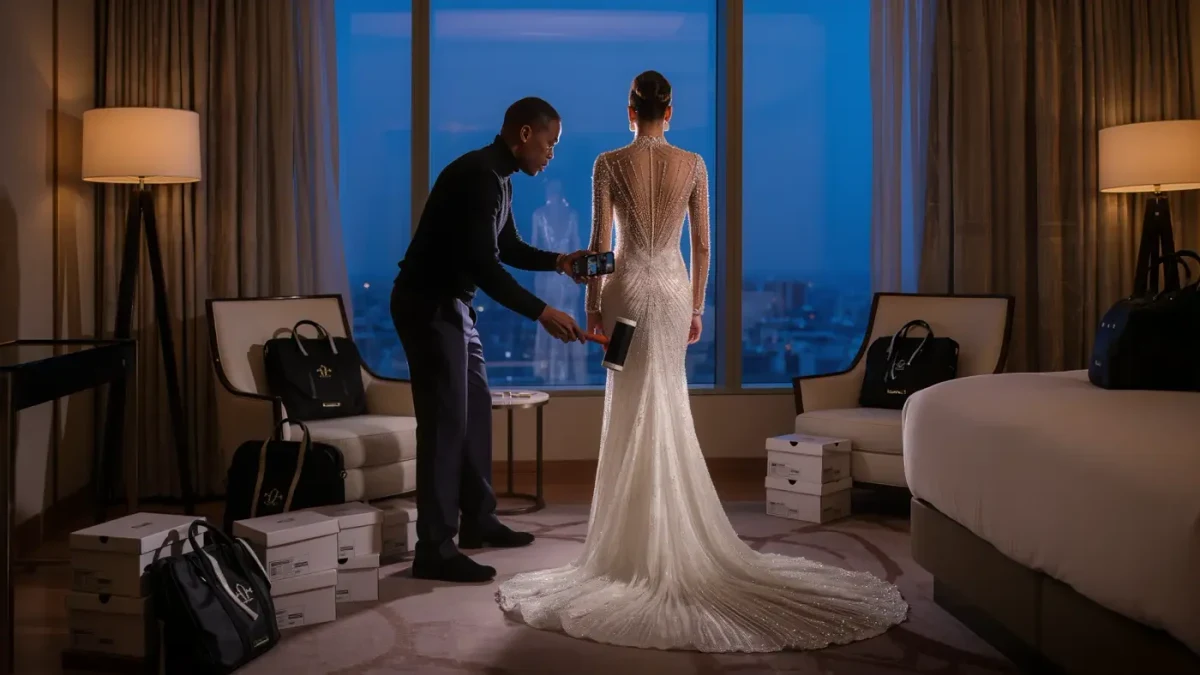
At a fitting, the client tries each option while the stylist checks proportion, movement and how the piece photographs under flash. A tailor is often present, because sample sizes rarely fit exactly, and adjustments are made on the spot or within days. Fittings also lock in the supporting elements: shoes, underpinnings, jewelry placement and the silhouette of the hair. For a major carpet, an actor may attend several fittings across a week, and the final choice is frequently made the day before the event.
Who owns the clothes on the carpet?
Most red carpet garments are loans. The fashion house retains ownership, and the piece is returned after the event, sometimes within twenty-four hours. Loan terms can specify exclusivity within a season, and high-jewelry pieces often travel with security. When a gown is custom-made for a client, the arrangement is different: the house invests in its ateliers and expects the exposure in return. Purchases do happen, usually for archival value or for pieces a client loves and plans to rewear.
How do stylists work with publicists?
The stylist is one node in a small team. Publicists manage the event logistics and often weigh in on whether a look suits the campaign an actor is promoting. Managers and studios may request that wardrobe connect to a film's themes. The stylist translates those notes into clothing decisions while protecting the client's overall image. Credit timing is also coordinated: the list of designers, jewelers and shoemakers is distributed to media so that photographs carry accurate attributions.
Why do stylists get credited by name?
Styling became a named profession on carpets in the 2010s as fashion coverage intensified and social media shortened the distance between a photograph and its audience. A stylist with a recognizable point of view can shift what viewers expect from a carpet altogether. Several stylists now have public profiles comparable to the editors of earlier decades, and their client rosters are tracked by fashion press. The credit line, once a formality, became part of the story.
What does a typical awards-week schedule look like?
- Six weeks out: the stylist maps the season's events and requests looks from houses.
- Three weeks out: pulls arrive and the shortlist forms.
- Two weeks out: first fittings with a tailor present.
- Week of: final fitting, jewelry confirmation and a full dress rehearsal with hair and makeup.
- Event day: the stylist manages the room, checks the finished look and handles any last-minute swaps.
- Day after: loans are returned and credits are confirmed with media.
Is the job only about clothes?
Not really. A stylist is part image manager, part negotiator and part logistics coordinator. The strongest relationships in the field last for years, because a stylist who understands a client's career can align wardrobe with its trajectory. That long view is what separates a single striking look from a coherent red carpet identity, and it is the reason actors keep the same stylist through the projects that define them.