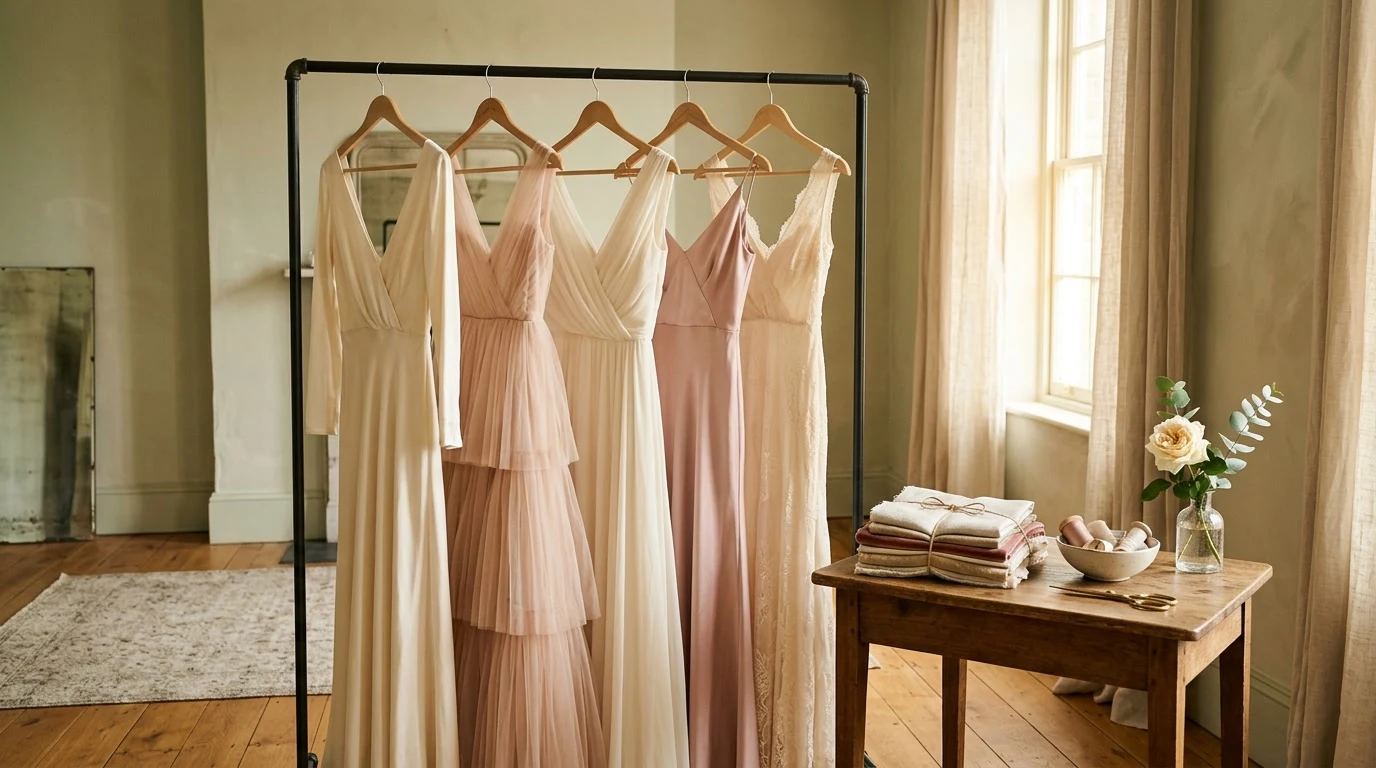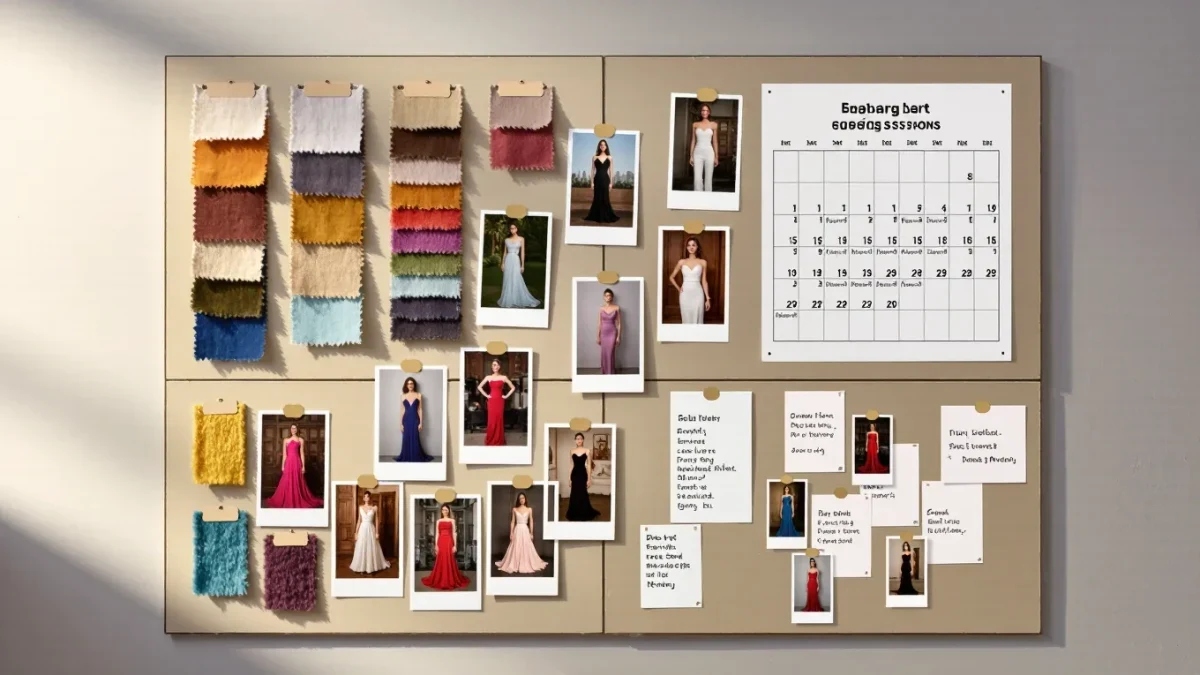
When a star steps onto a red carpet in a gown first worn decades earlier, a fashion archivist made that moment possible. These specialists track down, authenticate and preserve historic garments, then license them for films, exhibitions and high-profile wearing moments. Their work sits at the intersection of museum practice and celebrity styling, and as vintage has become a red carpet strategy, their job has moved from back office to spotlight.
What does a fashion archivist do day to day?
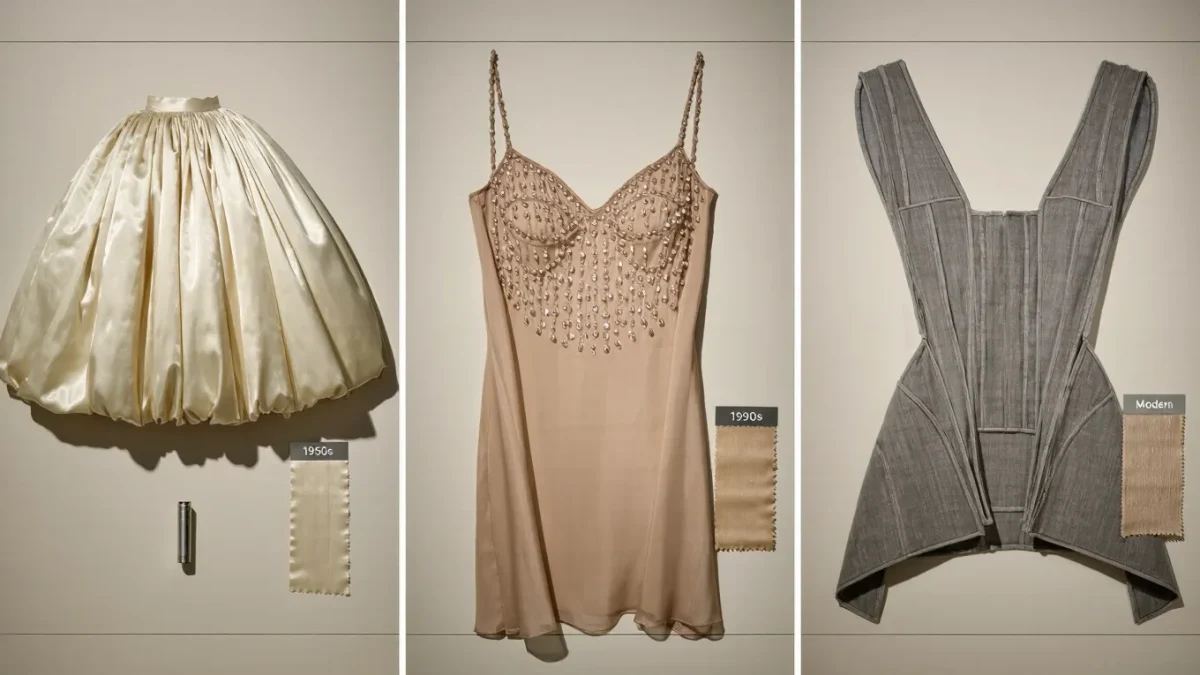
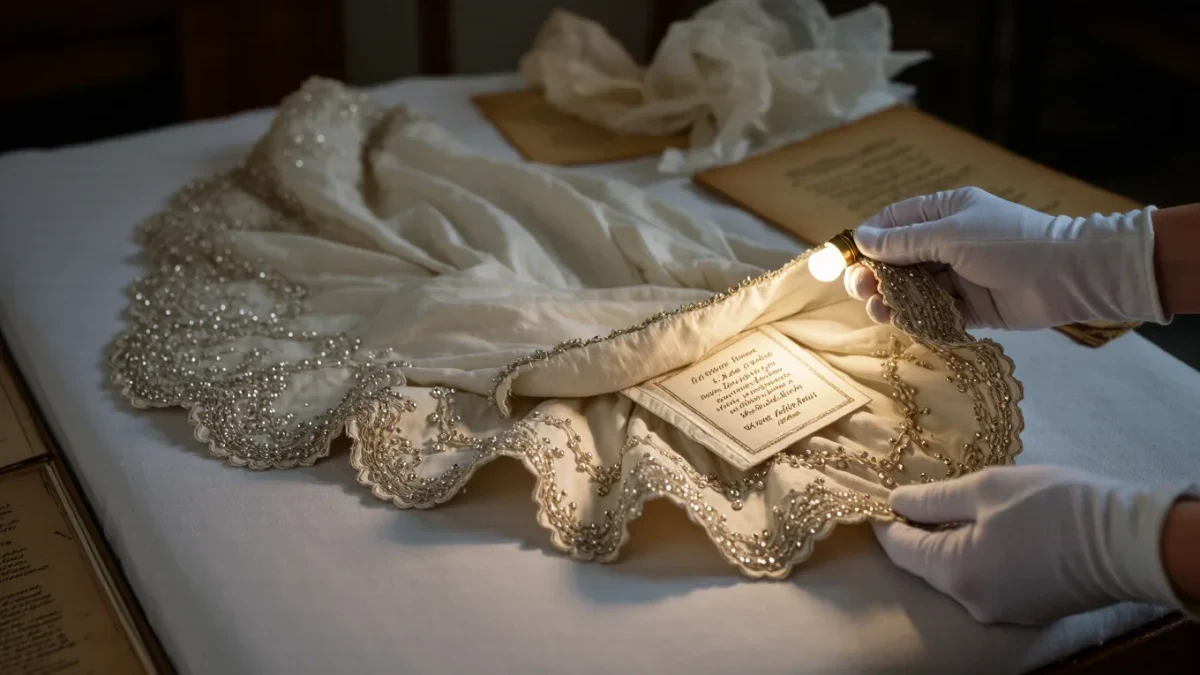
The core work is documentation and care. An archivist catalogs every garment: designer, season, construction details, alterations and provenance, meaning the chain of ownership from the atelier to the present. They control storage conditions, using acid-free materials, controlled humidity and darkness for fragile textiles. They also answer research requests from designers, museums and stylists, which is how a dress sleeping in storage ends up on a campaign trail.
How does a vintage gown get authenticated?
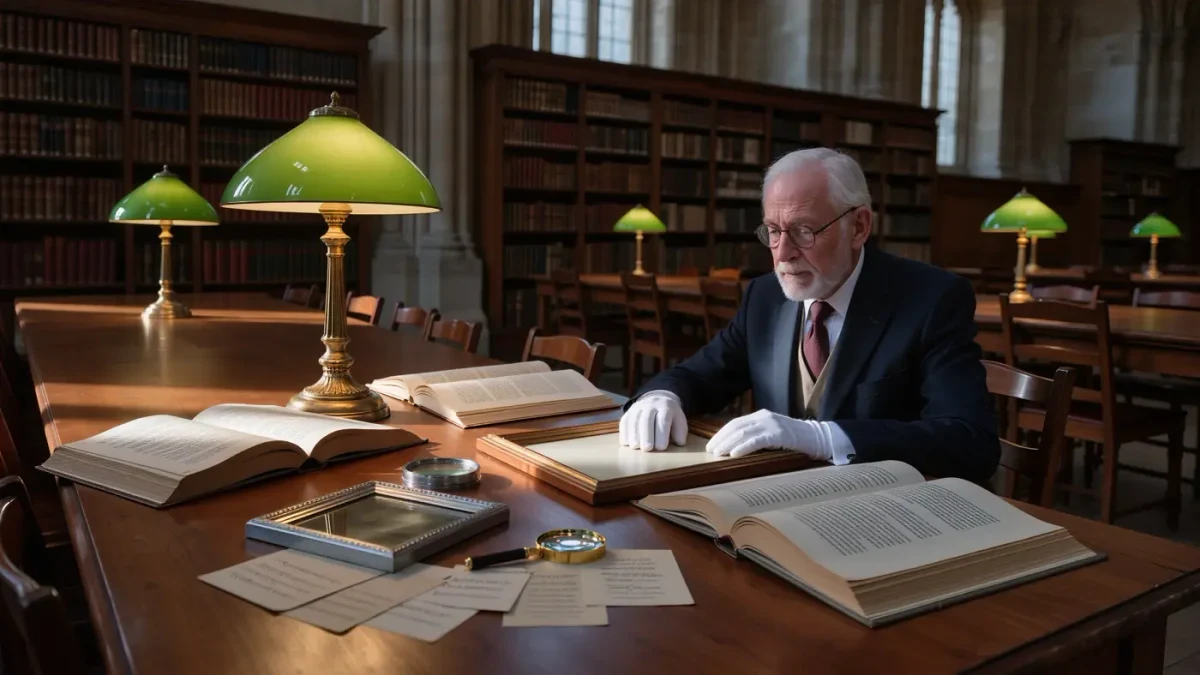
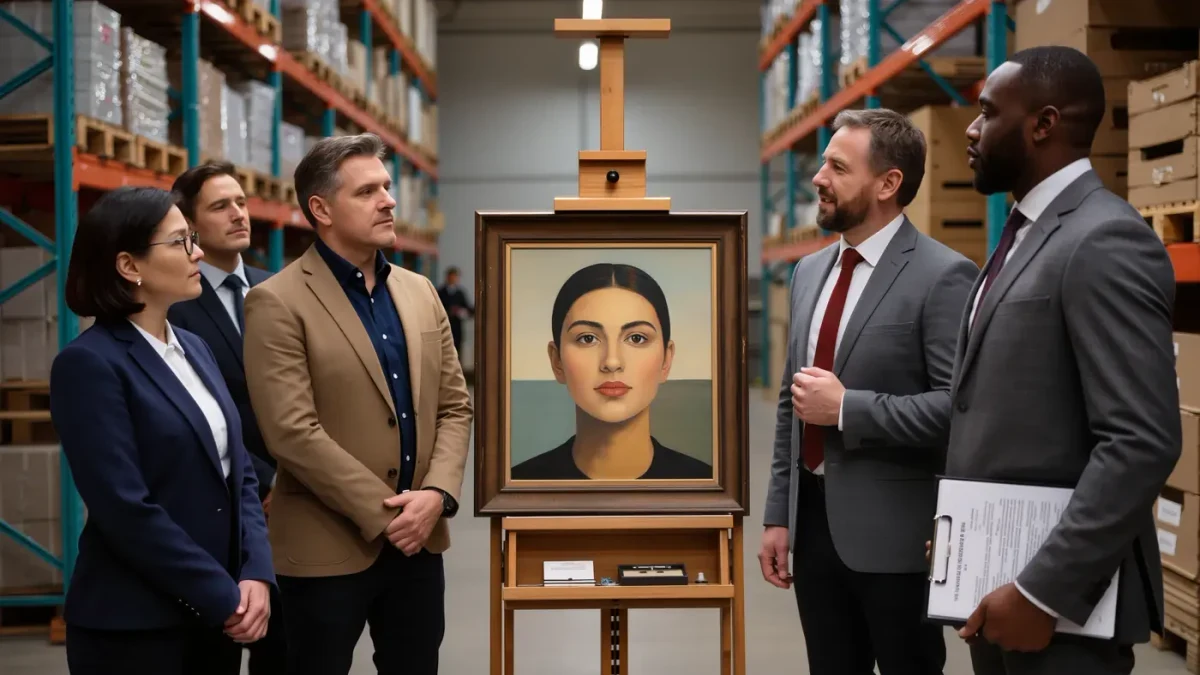
Through accumulated evidence. Archivists compare labels, stitching techniques, fabric and construction against known originals from the house's records. They trace provenance through invoices, photographs and previous owners. Houses such as Dior and Chanel maintain heritage departments that help confirm whether a piece matches its stated era. Authentication matters financially as much as historically, because a documented original commands a different value from a well-made copy.
Why do celebrities and stylists call archivists?
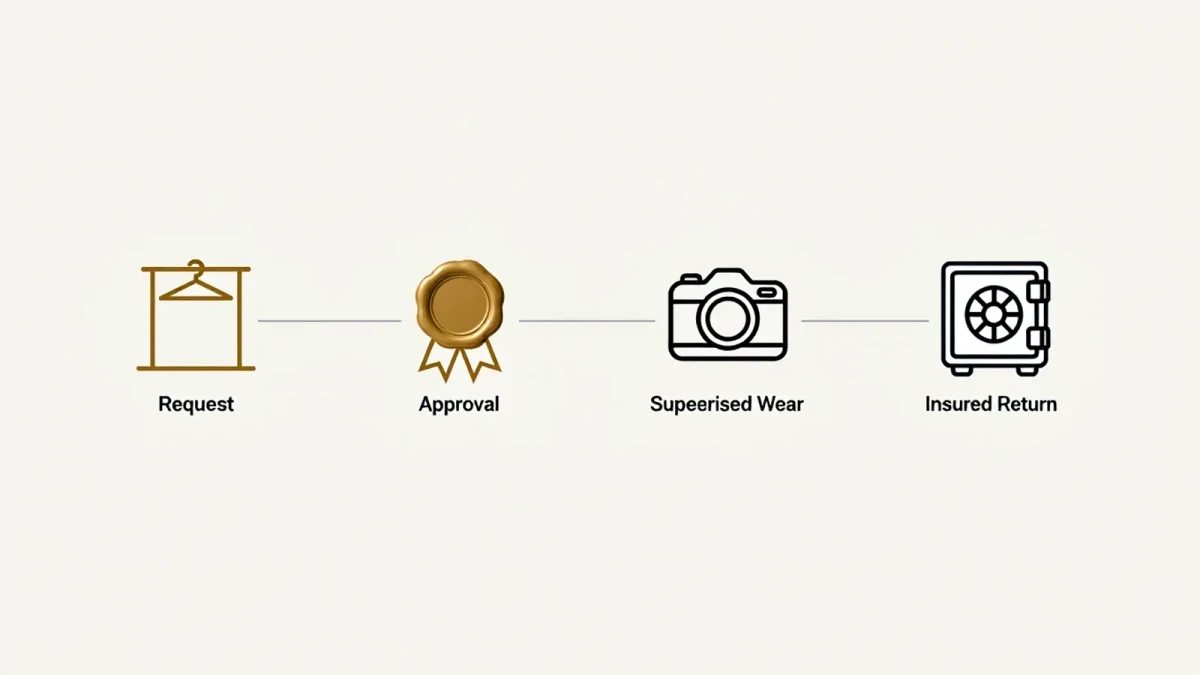
Because a documented vintage look offers what new couture cannot: a story. Wearing a gown linked to a fashion house's history gives a red carpet moment depth that editors and databases pick up immediately. Stylists contact archivists and vintage dealers to pull pieces for premieres and tours, and the archivist negotiates the loan, the handling and often the insurance. The arrangement also signals sustainability, since an existing garment requires no new production.
What can go wrong with a historic loan?
Plenty, which is why the paperwork is strict. Fragile beads, aged zippers and oxidized seams can fail under the physical stress of an event, so archivists assess whether a piece is wearable at all. Loan agreements can require climate-controlled transport, handlers present at the fitting and a ban on alterations. If a garment is too delicate, the answer is no, and the look moves to a sturdier option. Preservation always outranks publicity in a serious archive.
How did the profession become visible?
Museum blockbusters and high-profile vintage moments did it. Landmark exhibitions on designers drew record attendance through the 2010s and 2020s, while red carpets rewarded archival looks with outsized coverage. Auction results also raised the stakes, as pieces by Alexander McQueen, Chanel and other houses sold for sums that made careful provenance essential. Suddenly the person who could verify a gown's history held real power in the styling economy.
Who employs fashion archivists?
Heritage departments inside luxury houses, auction houses, museums with costume collections, and independent archives that loan to productions and private clients. Film studios hire them when a period production needs authentic garments or reference material. Some archivists work with estates of designers, organizing a life's work into a record that can be exhibited and licensed. It is specialized employment that rewards both textile knowledge and research patience.
Could this become a bigger part of the industry?
Every sign points that way. Rewearing and archival dressing have moved from novelty to norm on major red carpets, and audiences increasingly read fashion coverage through the lens of history and sustainability. As long as a gown's past adds value to its present, the person who keeps and verifies that past will be part of the machinery behind the images. The archivist is now as essential to certain looks as the tailor.