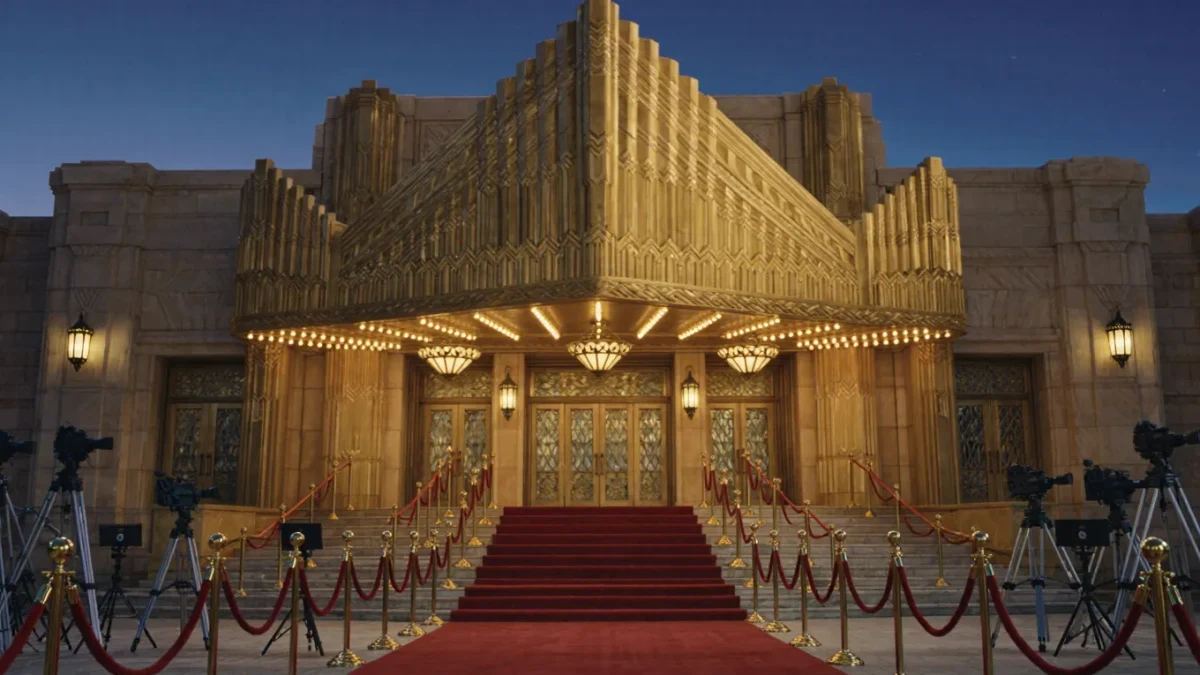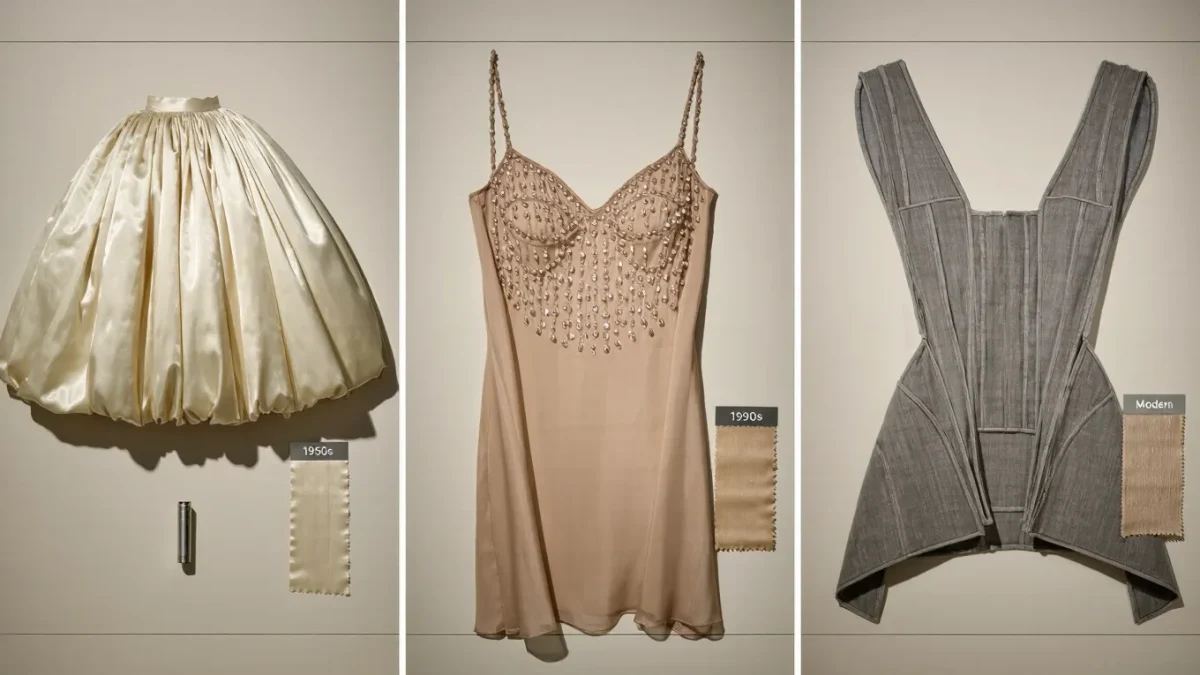
Vintage gowns have moved from novelty to strategy on the world's biggest red carpets. In recent seasons, actresses and stylists have reached into fashion archives for documented pieces from the 1990s and earlier, and the resulting images routinely lead coverage. The shift is driven by three forces at once: the narrative power of fashion history, rising pressure for sustainability, and the simple fact that a verified archive gown cannot be copied by anyone else that night.
What counts as vintage on a red carpet?
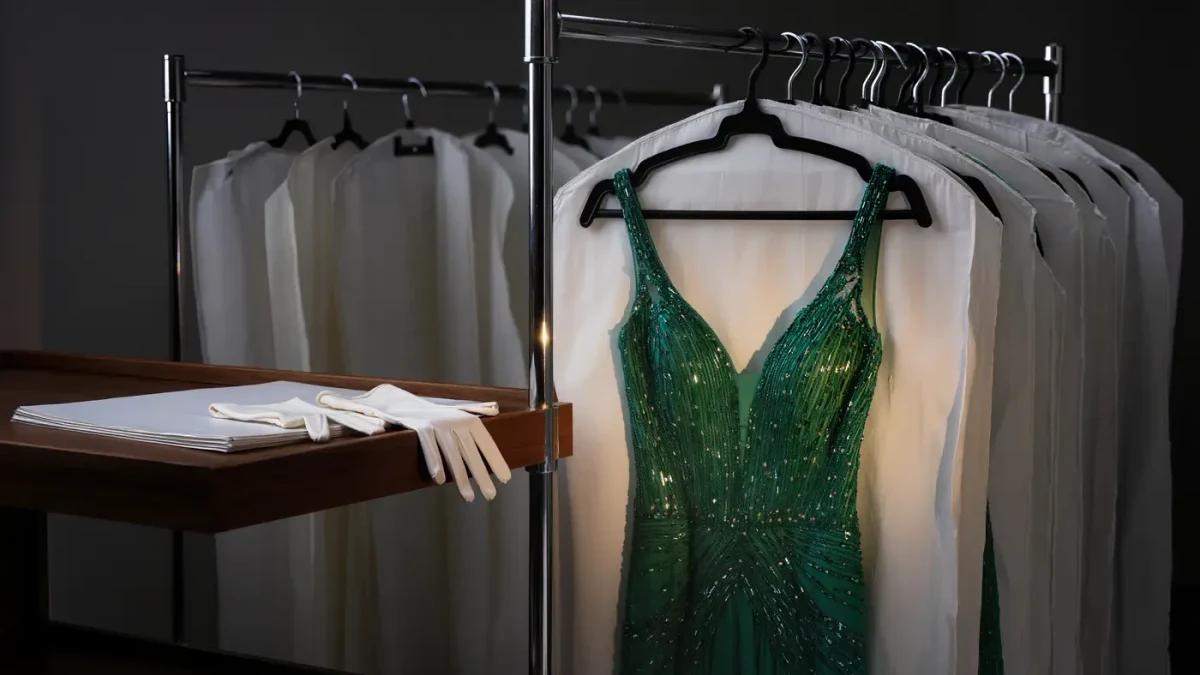
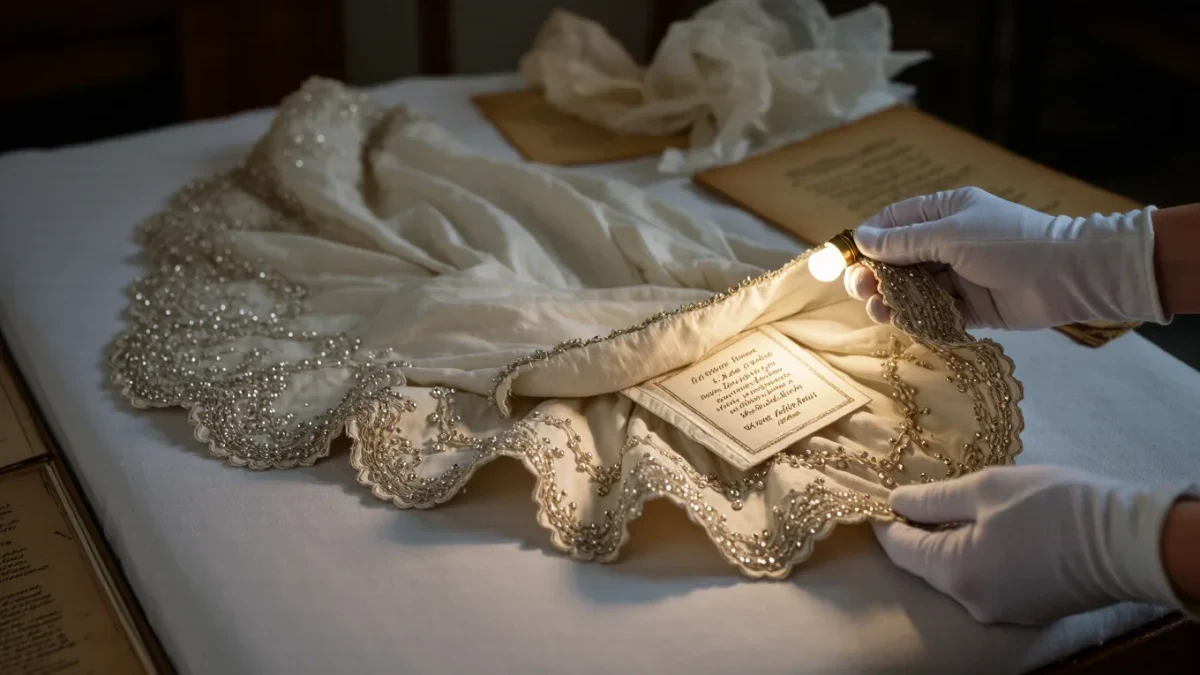
The industry generally reads vintage as garments from an earlier era, with pieces twenty years and older treated most seriously, and archive used for looks pulled directly from a house's own preserved collections. A 1954 Dior ballgown and a 1998 Tom Ford-era Gucci dress sit in the same conversation because both arrive with documented history. What matters is authentication: labels, construction and provenance that can be verified, often with help from the house's heritage department.
Which recent wearing moments defined the trend?
The pattern became impossible to ignore in the 2020s. High-profile appearances in recovered archive pieces, including celebrated moments at the Academy Awards and the Met Gala where actresses wore gowns first made decades earlier, generated some of the widest coverage of their seasons. Stylists began building entire campaign narratives around a single historic dress, and houses responded by publicizing their archives rather than guarding them quietly.
Why does a vintage gown outperform new couture in coverage?
Because it carries a second story for free. A new gown offers silhouette, designer and color; a vintage gown adds era, original context and often a previous wearer. Fashion databases and social accounts identify any look within minutes, and a documented history gives commentators something specific to write about beyond the hemline. In an attention economy, provenance is content.
How does sustainability factor in?
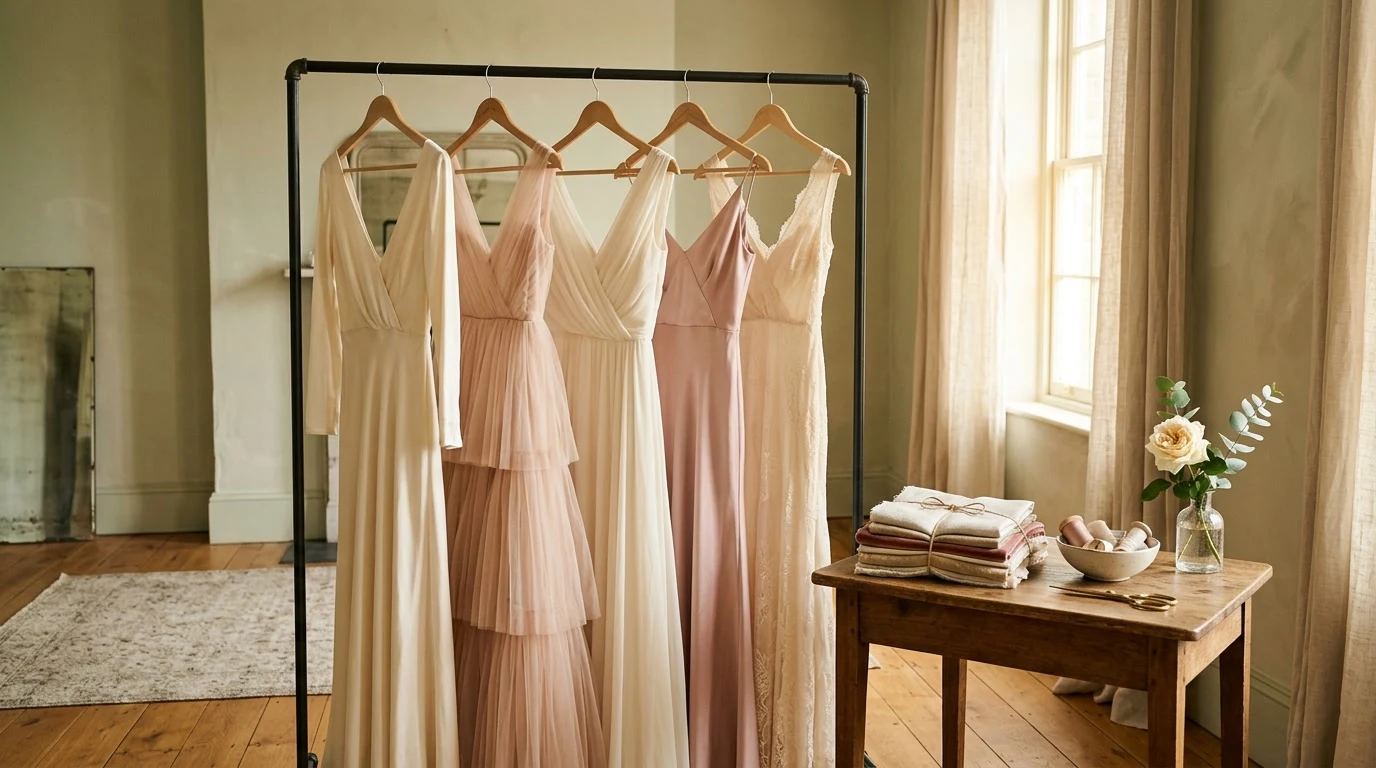
Significantly, and increasingly explicitly. Rewearing existing garments requires no new production, and public figures who repeat or borrow vintage can point to a lower-impact choice without sacrificing visual impact. The rewear movement, in which the same gown is worn again years apart on major carpets, turned what was once an embarrassment into a statement. For an industry under pressure over waste, vintage is the most photogenic answer available.
What does it take to wear a historic gown?
Care and paperwork. Archivists assess whether aged fabrics, beadwork and closures can survive an event, and fragile pieces are simply refused. Loan agreements can require handlers, climate-controlled transport and a prohibition on alterations, and insurance values can exceed the cost of a new couture commission. Fittings are more delicate, since a garment cut for a different body decades ago may permit only minimal adjustment. The romance of the past sits on top of strict logistics.
Who supplies these dresses?
A small ecosystem: the heritage departments of major houses, independent archives and dealers who authenticate and lend, and auction houses whose sales have pushed prices for documented pieces by designers like Alexander McQueen and Chanel sharply upward. Stylists now maintain relationships with archives the way they once worked only with current-season showrooms. That professional infrastructure is a large part of why the trend could scale so quickly.
Is the trend here to stay?
Every structural force behind it points forward. Sustainability pressure grows rather than shrinks, archives are being digitized and publicized, and audiences have learned to read a red carpet image for its history. New couture will always have its place on the biggest nights, but the vintage gown has reclaimed a permanent seat at the table, and the most prepared stylists now scout the past as seriously as the present.