Archive dresses are garments pulled from a fashion house's stored past collections and given a new public life, usually on a red carpet. The practice grew sharply from the early 2020s through 2025, until an archive credit became one of the most prestigious lines a stylist could secure. Unlike new couture, an archive gown arrives with history attached: a season, a muse, sometimes a famous prior wearer. That dual identity, fresh image plus citable past, is exactly why the trend keeps growing.
What exactly is a fashion archive?
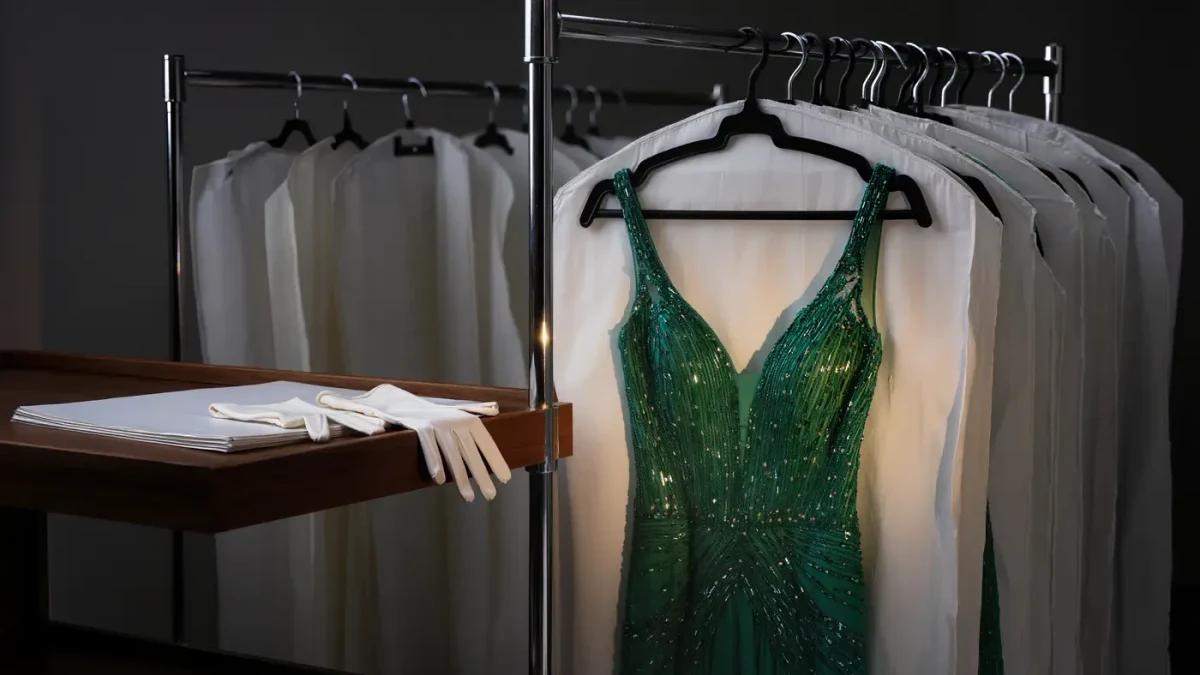
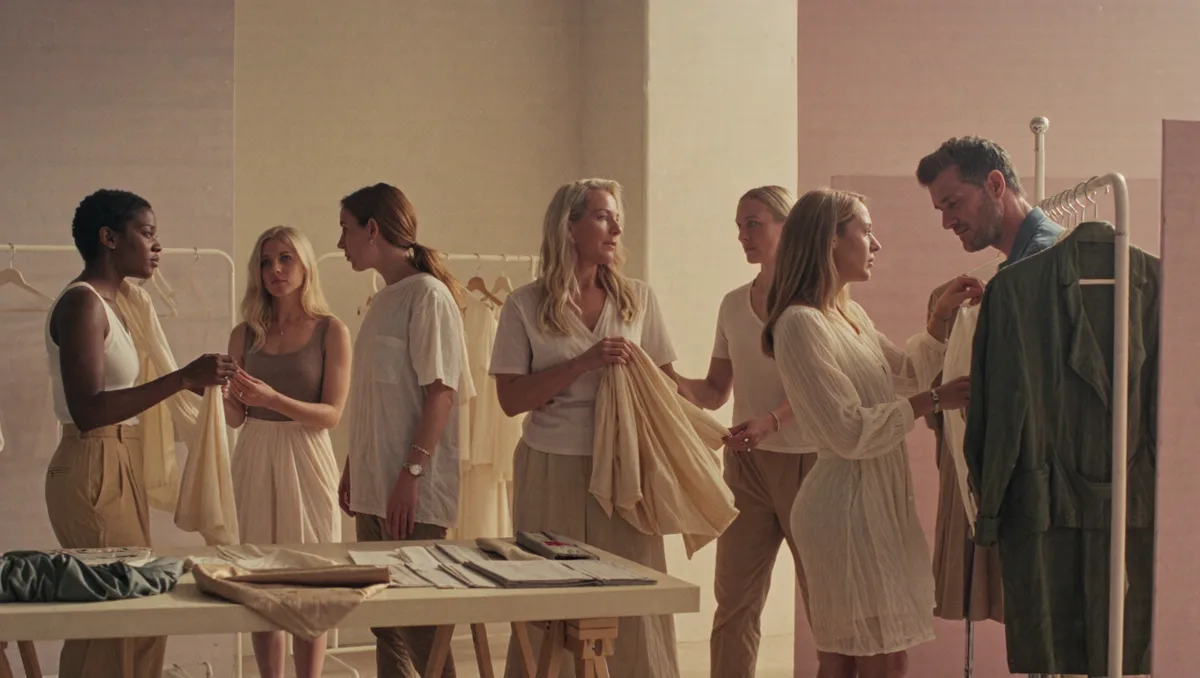
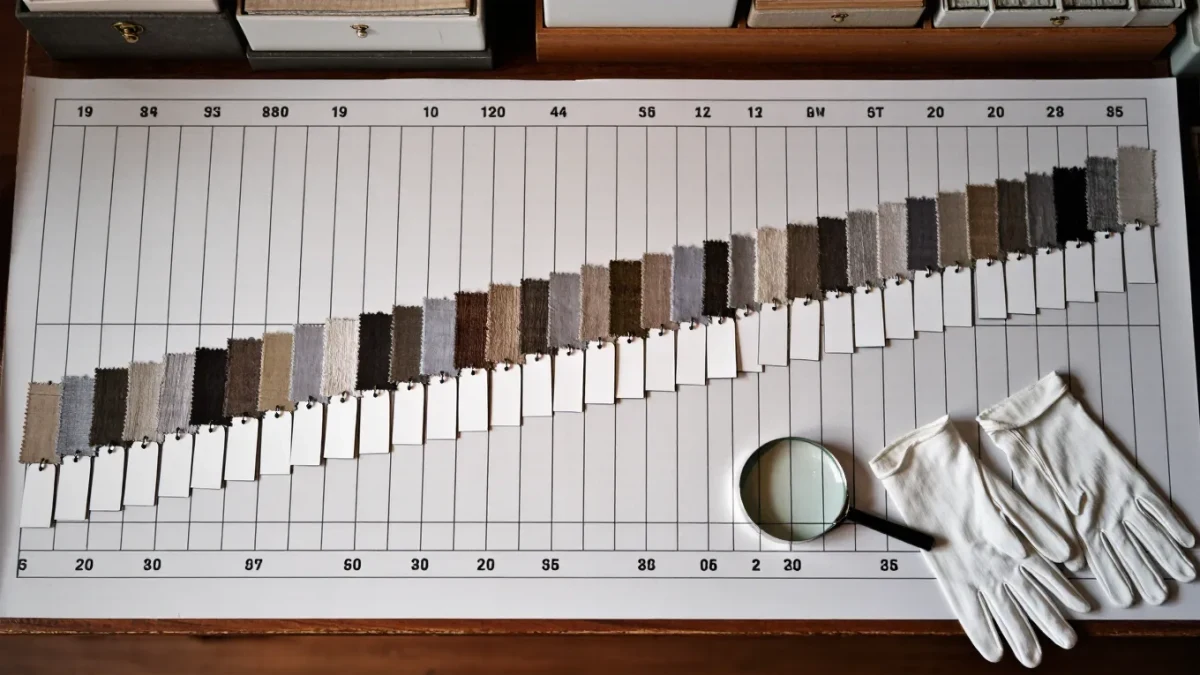
Every major house keeps one. It is a climate-controlled vault of garments from past collections, catalogued by season, fabric and construction, preserved for reference and reissue. Designers consult archives when reviving house codes. Historians use them for exhibitions. And since the early 2020s, styling teams request from them for carpets, premieres and galas, turning the vault into an active lending library.
Not everything qualifies. Houses lend selectively, favoring iconic pieces in sound condition, and some gowns are considered too fragile to travel at all.
Why did archive dressing become a trend?
Several currents converged. Sustainability pressure made existing clothes fashionable to wear, not just virtuous. Social media rewarded outfits with a story attached, and an archive gown carries its story in the credit line. Nostalgia cycles brought the 1990s and early 2000s back into style, exactly the eras whose runway pieces now populate lending requests. And houses discovered that a carpet appearance by a decades-old gown generates coverage no advertising can buy, celebrating the brand's continuity rather than one season's novelty.
How does an archive loan actually happen?
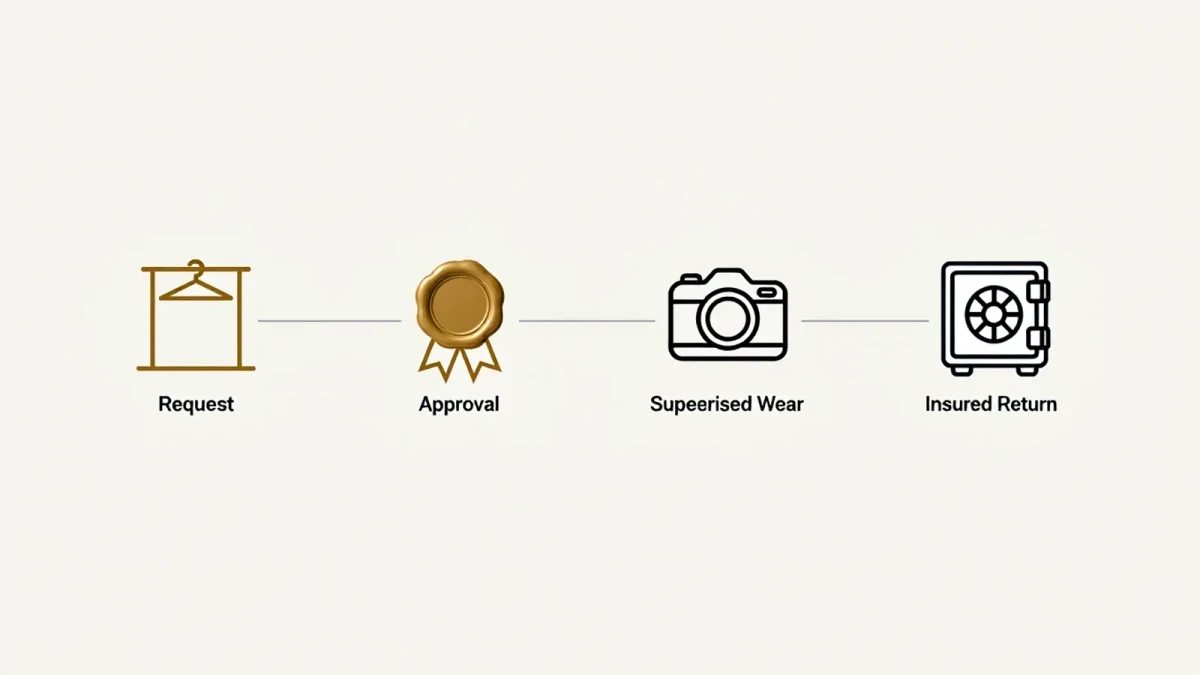
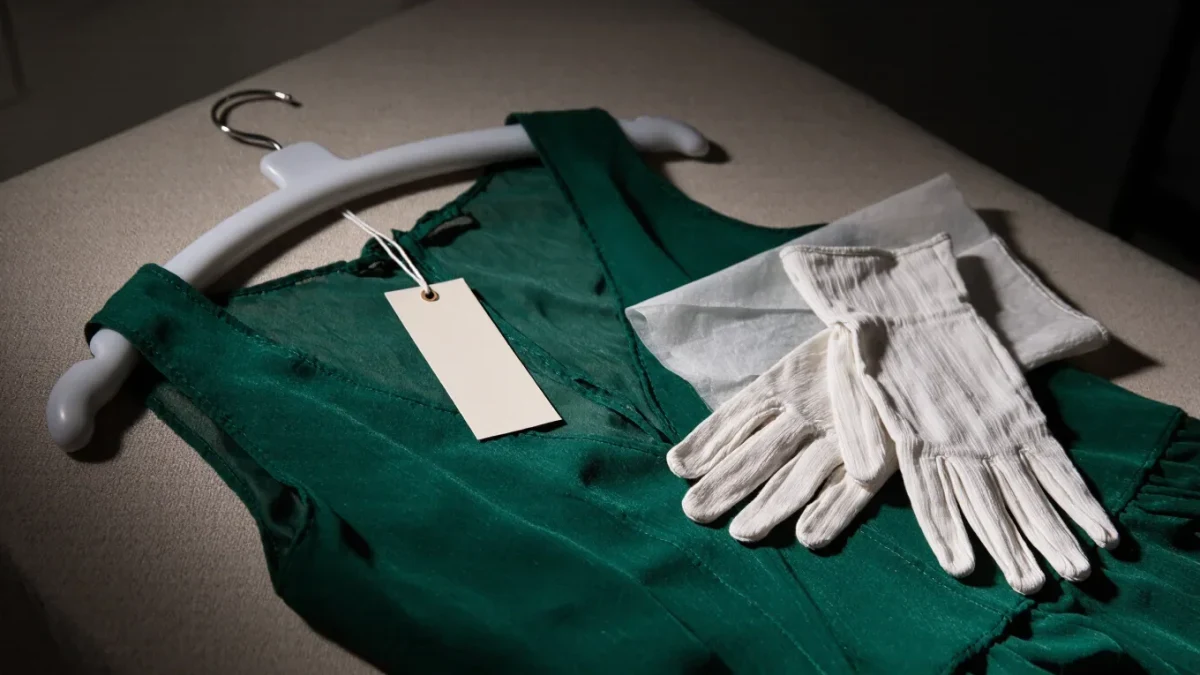
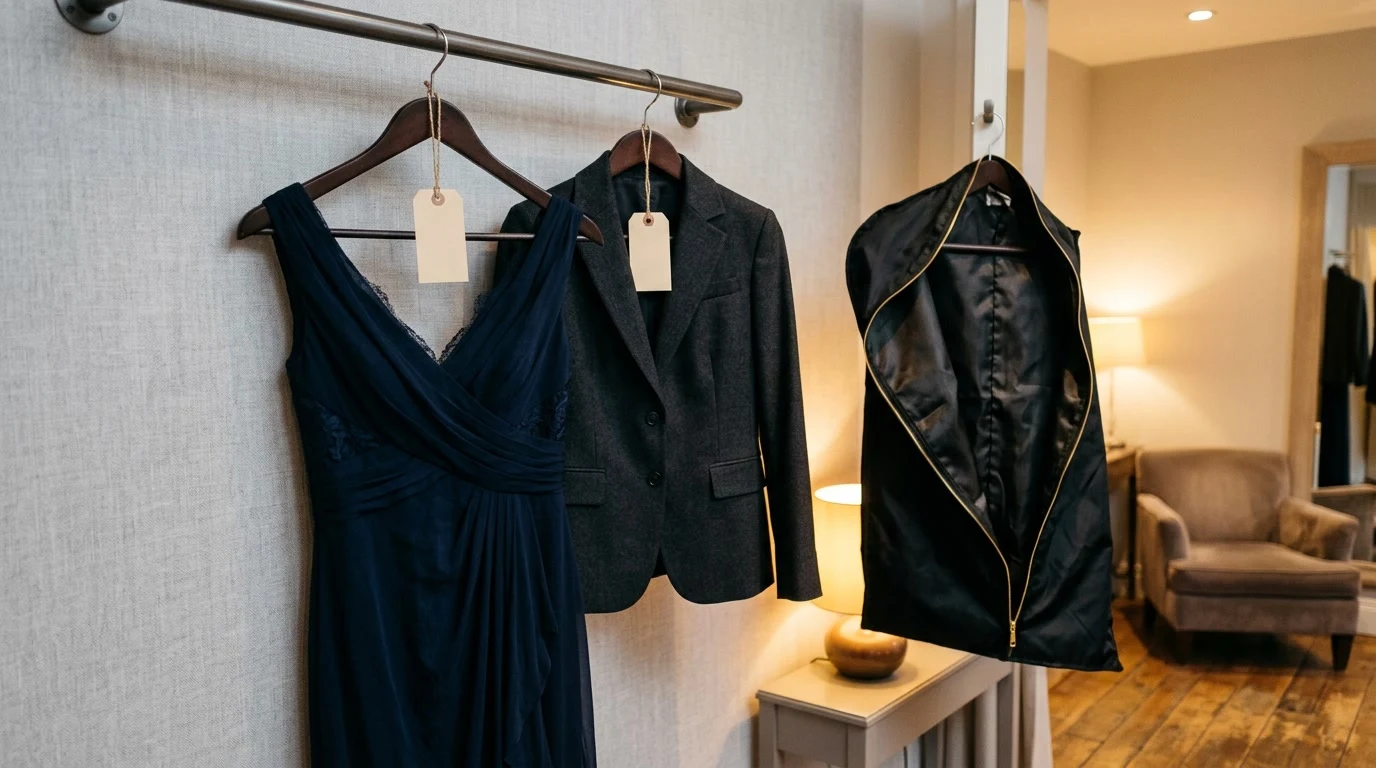
The process is more museum than showroom. A stylist identifies pieces from past runway records and submits a request. The house checks condition, and its conservators assess whether the garment can withstand an evening of movement and flash. If approved, the piece travels in a protective case, receives a careful fitting with discreet internal reinforcements, and returns to the vault after the event. Alterations are usually reversible by rule, because the house is lending an artifact, not selling a product.
When a gown cannot safely be worn, houses sometimes decline the loan entirely, no matter how high-profile the request.
What makes an archive look read differently?
Context. A gown from a 1997 collection worn in 2026 is doing two jobs: presenting the wearer and quoting a specific fashion moment. Stylists lean into this by pairing archive pieces with current hair, makeup and accessories, so the look reads as conversation between eras rather than reproduction. The strongest archive moments are the ones where you can feel both dates at once.
Fashion press reinforces the effect, publishing side-by-side comparisons of the original runway appearance and the new carpet walk within hours.
Are there risks in the trend?
A few. Condition risk is real, since even reinforced vintage can strain under a long evening. Fit risk follows, because archival patterns were cut for different bodies and eras of underpinnings. And there is interpretation risk: a piece tied to a specific designer's tenure or a charged fashion moment requires care in how it is presented. Houses and stylists manage these with research, conservation checks and, occasionally, a decision not to wear the piece at all.
Where is the trend going?
Toward institutionalization. Resale platforms now authenticate and market runway archive openly, museums increasingly collaborate with houses on carpet loans, and credit lines have standardized the language of provenance. What began as exceptional vault access is becoming an organized channel of red carpet dressing. The deeper appeal will not fade either, because it rests on something fashion always rewards: the ability of a single garment to hold two moments in history at once.
How is an archive look credited?
Provenance is the point, so credits are precise. Press releases name the house, the collection season and year, and sometimes the original runway context. Stylists' posts follow the same format, because the date is what separates a true archive moment from ordinary vintage. Fashion databases and fan accounts then archive the appearance alongside the original debut, creating a permanent record where one gown owns two entries decades apart, each crediting the other.