Red carpet sustainability means choosing clothes that already exist. It shows up two ways: rewear, where a public figure repeats a gown worn years earlier, and archive dressing, where a stylist pulls a historical piece from a fashion house vault instead of ordering new. Both moved from rare gesture to visible trend between 2020 and 2025, as awards shows, styling teams and fashion houses reframed the step-and-repeat as a place where clothing circulation could be celebrated rather than hidden.
Why was the red carpet so wasteful in the first place?
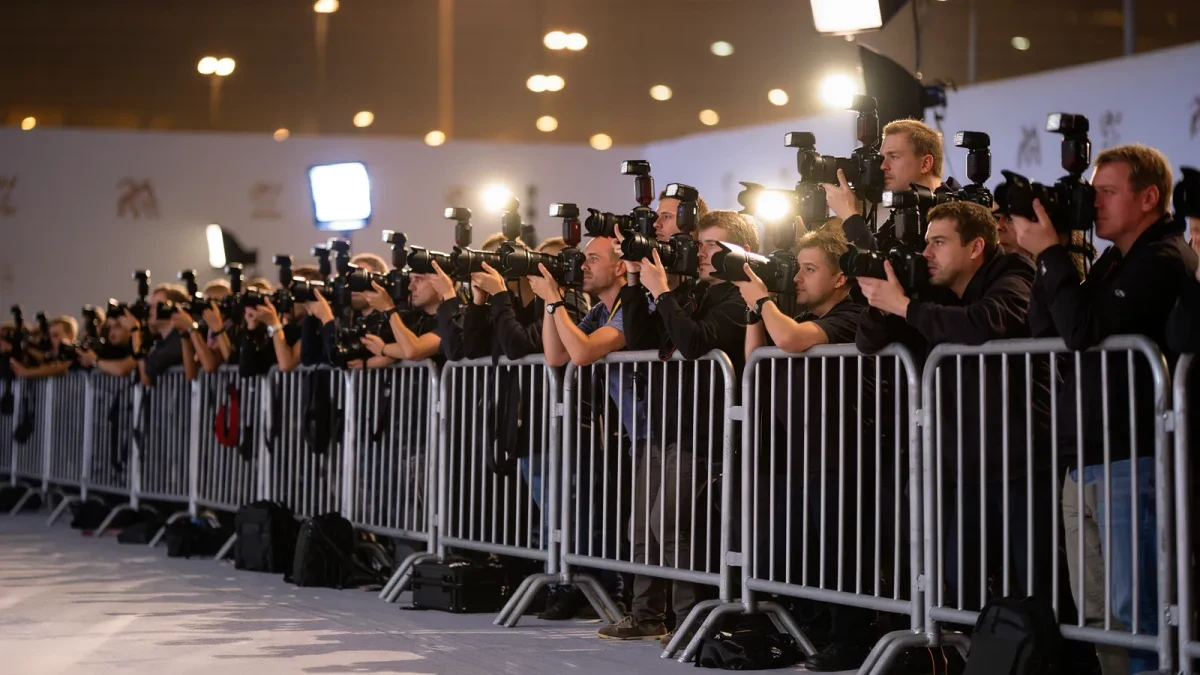
For decades the carpet ran on novelty. The expectation was a never-before-seen gown, ideally custom, worn once and photographed once. Gowns were lent, returned and quietly retired. The system produced extraordinary images and extraordinary waste, because a garment built around hundreds of hours of handwork would live its public life in a single evening.
Repeat wearing carried a taboo. Commentaries treated a repeated look as a failure of access or imagination. That taboo was the real engine of the waste, and it was cultural, not practical.
What broke the taboo?
A combination of pressure and example. From the early 2020s, several established stars began repeating notable gowns at major ceremonies, framing each repeat as an intentional statement about value. Sustainability organizations pushed awards seasons to acknowledge environmental cost. And fashion houses, which own deep archives of past collections, realized that lending historical pieces generated richer press than another new gown, because every archive loan arrives with a story attached.
By the 2024 and 2025 seasons, repeated and archival looks were appearing across awards shows, premieres and festival carpets without needing an apology attached.
How does rewear actually work on a carpet?
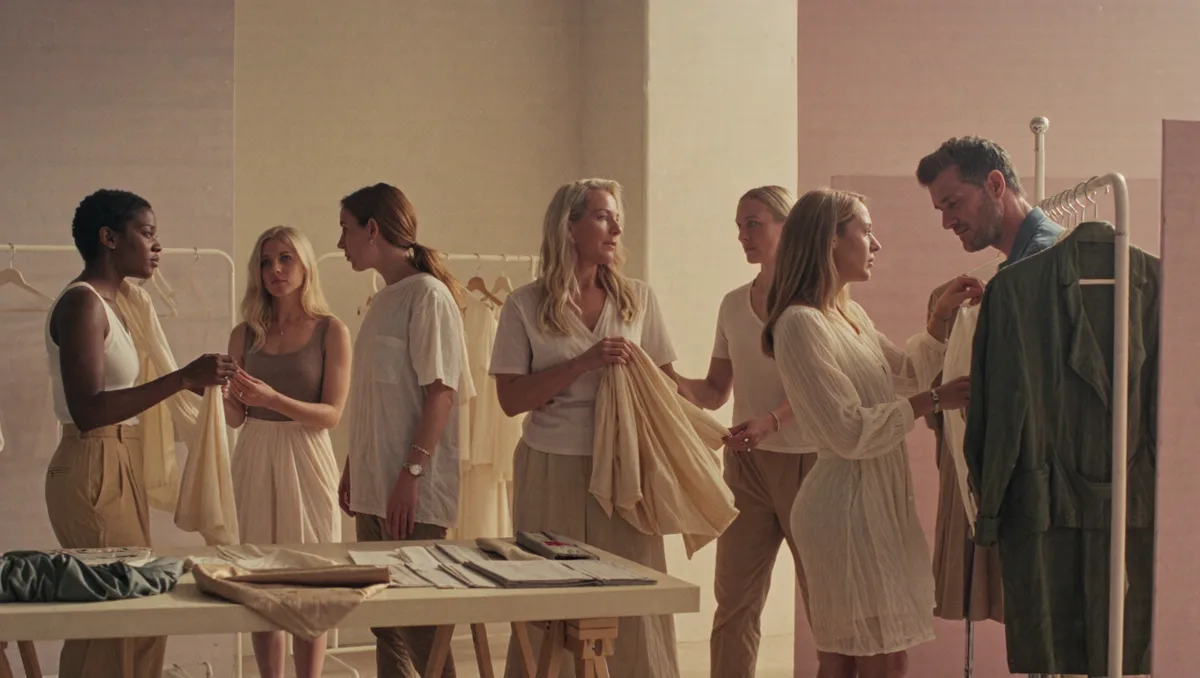
Three routes. The literal repeat: the same gown, same styling, worn again as a direct statement. The restyle: the same gown reshaped with different accessories, a new sleeve, an altered neckline or different jewelry, showing the piece can live more than one life. And the vintage pull: a gown sourced from a past decade, often from a reseller or archive, given its first carpet in twenty or thirty years.
Each version changes the math of the evening. A garment worn twice halves its per-wear cost and footprint. A vintage pull skips new production entirely.
What role do fashion archives play?
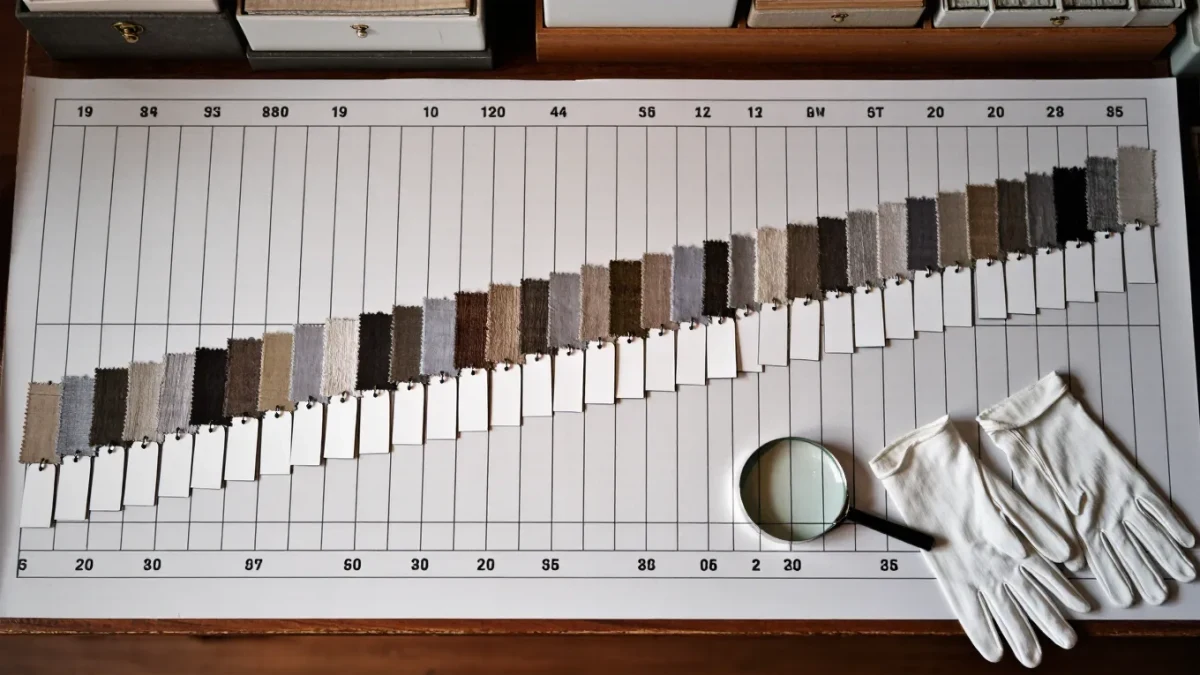
Archives are the infrastructure underneath the trend. Major houses maintain vaults of past collections, catalogued and conserved, and over the 2020s they opened these vaults to red carpet lending at a scale not seen before. An archive loan does several jobs at once: it honors the house's own history, it gives the wearer a place in that history, and it answers the sustainability question without a single new meter of fabric.
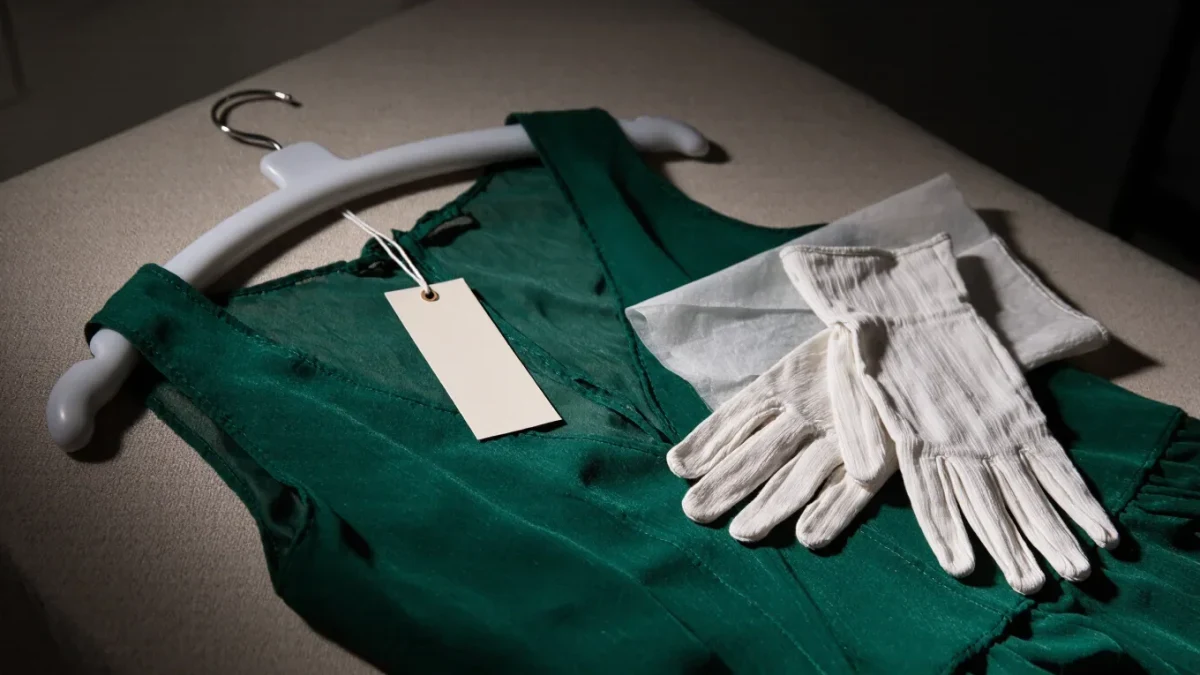
Conservation standards govern these loans. Pieces are assessed for structural strength, transported in climate-controlled cases and often fitted with discreet internal support before a carpet walk. A 1990s gown on a 2026 carpet is a small conservation project, not a spontaneous grab from storage.
Is the whole carpet actually sustainable now?
No, and honesty matters here. Most carpet looks are still newly made, often custom, because novelty remains powerful and houses want to debut current collections. Sustainability on the carpet is a growing current, not the whole river. But the direction is real: rewear no longer needs defending, archive credits are now written into press releases, and awards shows themselves have added green carpet initiatives and reused staging elements in recent seasons.
How to read a carpet for sustainability signals?
Look for the tells. The phrase from the archive in a stylist's caption signals a vault pull. A matching year and designer credit attached to a star from an earlier era signals vintage. And a gown you remember from a previous ceremony, on the same person, is the clearest signal of all: the wearer decided the piece deserved a second chapter, and the carpet finally agreed.
Does sustainable dressing change how looks are judged?
It has already started to. Review culture increasingly mentions rewear and archive credits as positives in their own right, and a repeated gown now generates appreciation rather than deduction. Styling teams report that clients ask what a piece can become next season, not only what it says tonight. That shift in questioning, from single-night impact to long life, may be the trend's most durable achievement of all.