Timothée Chalamet's red carpet career tracks a visible shift in men's formal dressing: since his breakthrough in 2017, his premieres have featured sequins, cropped silhouettes, bold color and layered jewelry, choices that would have been outliers on carpets a decade earlier. His appearances across the Call Me by Your Name campaign, the Dune press tours and the 2020s awards circuit coincided with a broader opening of menswear conventions. By the mid-2020s, the black-tie default had real competition, and his wardrobe was a regular reference point in that conversation.
How did his early red carpet years stand out?
His 2017 to 2018 awards run for Call Me by Your Name introduced a slim, fashion-forward silhouette at a moment when most male leads stayed close to classic tuxedos. Bright suits, patterned shirts and a willingness to skip the tie gave fashion writers a new subject. The looks were youthful but precise, and they arrived exactly as menswear coverage was expanding online. That timing mattered: a new generation of viewers was following carpets as fashion events, not only as promotional stops.
Which choices changed expectations?
- A harness-style accessory over a black shirt at a 2019 premiere, which sparked wide discussion about accessories in menswear.
- A backless halter top at a major film premiere in 2021, widely covered as a challenge to formal dress norms.
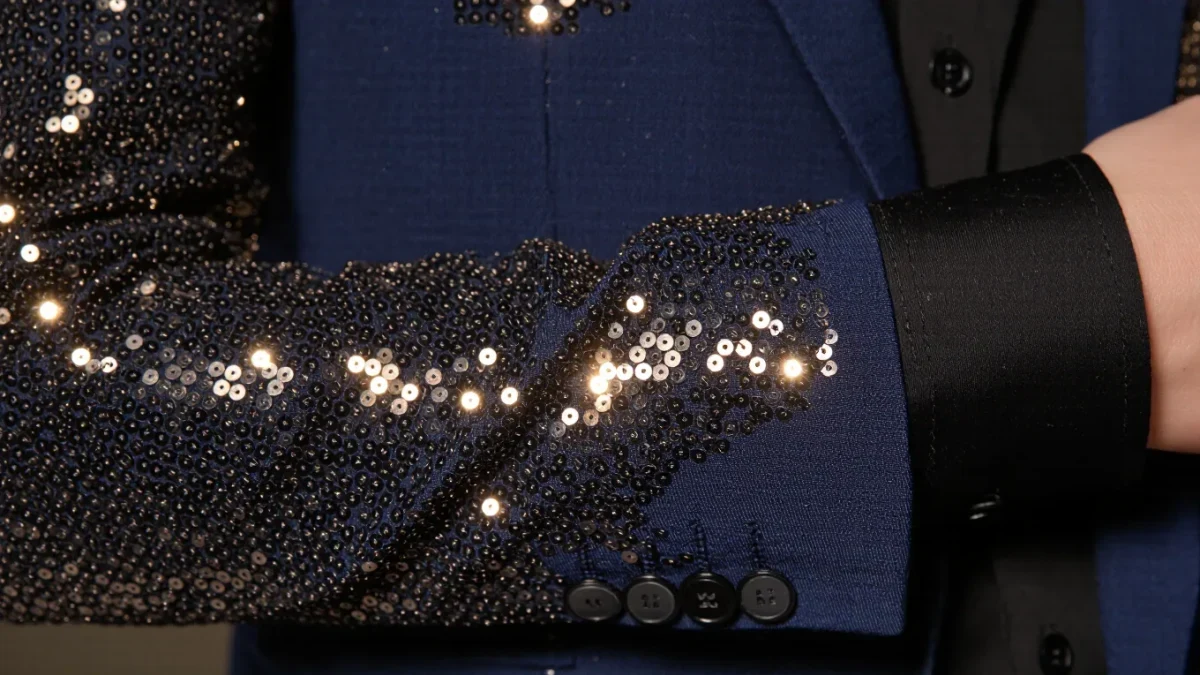
- Sequined and shimmering jackets across the 2022 awards season, including a headline-making appearance at the Oscars that year.
- Cropped tailored trousers and boots as a consistent silhouette choice, repeated across press tours.
- A bold red suit at the 2024 Golden Globes season circuit, keeping color at the center of his carpet identity.
Who shapes the looks?
His long-running collaboration with stylist Ryan Hastings, known for a low-profile, image-driven approach, has been credited in fashion press for much of the wardrobe direction. The partnership reflects a broader change in how menswear is styled: fewer rules, more concept. Designers from major European houses have dressed him for marquee events, and his wearing of emerging labels has occasionally lifted those brands' public visibility. The stylist-client relationship here works like a creative studio rather than a shopping service.
How did this fit the wider menswear shift?
His carpet run paralleled changes on the runways themselves, where luxury houses expanded menswear into skirts, jewelry and soft tailoring across the late 2010s and early 2020s. Red carpets follow runway logic with a delay, and a lead actor with a large young audience became a natural bridge. Fashion historians comparing periods note that menswear experimentation on carpets in the 2020s echoed earlier moments, including the glam-rock era of the 1970s, but with streetwear-influenced styling and immediate social media distribution.
What about the boots-and-suit formula?
Beyond the statement pieces, his consistent baseline is a cropped, tightly tailored suit worn with boots rather than formal pumps. That formula matters because it is repeatable: it gives a recognizable signature while leaving room for fabric and color experiments. Signature dressing of this kind used to be associated with female stars and their stylists. Its arrival in menswear reflects how completely the red carpet grammar had opened up by the mid-2020s.
Did the industry respond?
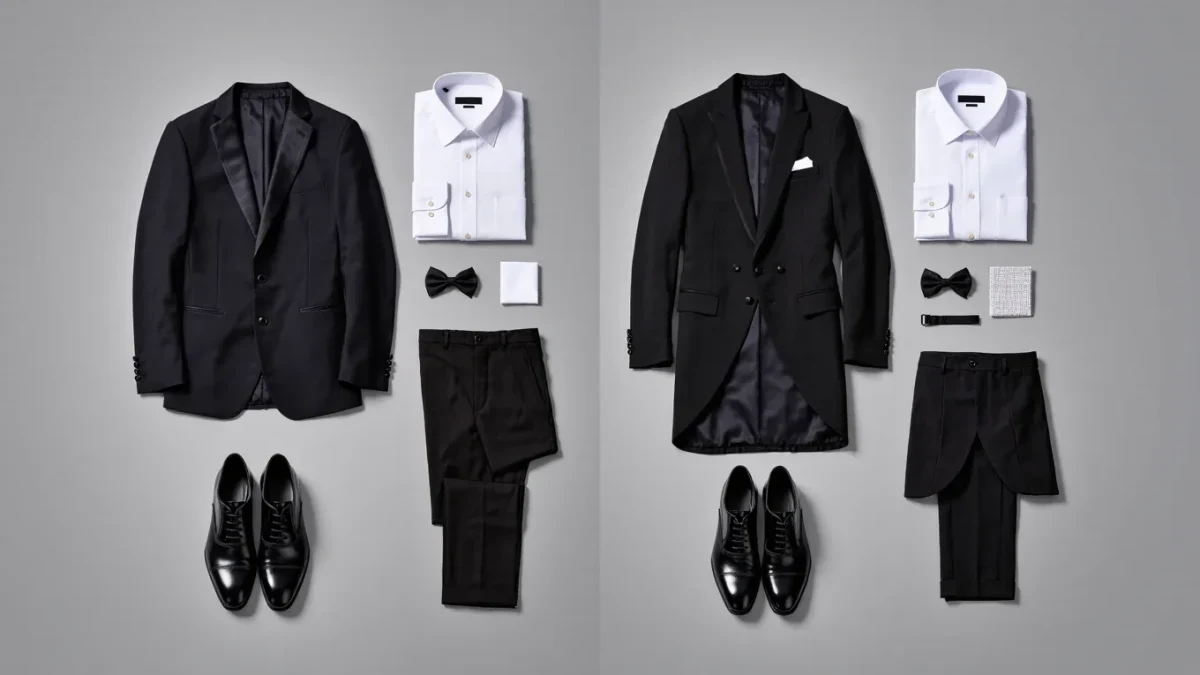
Awards coverage through the 2020s increasingly discussed male attendees' fashion risks in the same terms once reserved for gowns. Menswear credits became standard in photo lists, and fashion houses expanded their men's red carpet offerings. In that environment, a leading man's sequined jacket stopped being a novelty and became one option among several. The shift did not eliminate the classic tuxedo; it simply ended its monopoly, and Timothée Chalamet's premieres remain one of the clearest records of that change.