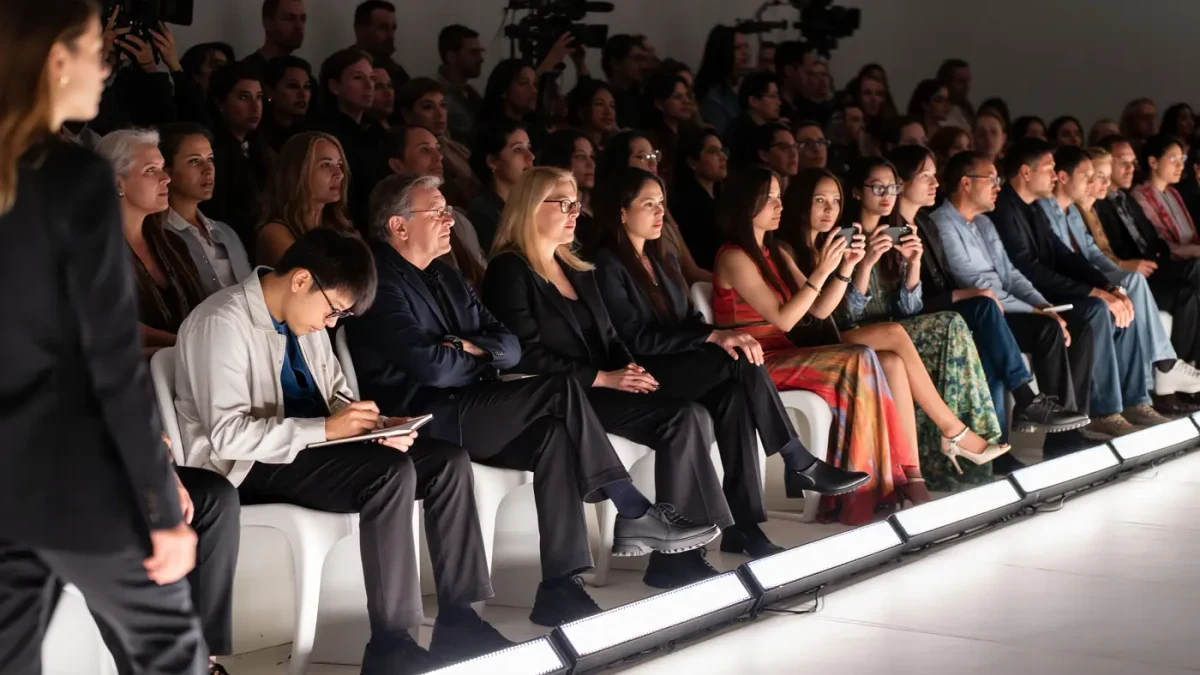
The front row at a fashion show is the most carefully composed audience in entertainment. In roughly forty feet of bench space, a brand assembles its entire commercial strategy for the season: buyers who will place orders, editors who will write the reviews, and celebrities whose photographs will travel further than anything else in the room. Understanding who sits where, and why, explains much of how the modern fashion industry actually operates.
Who gets a front-row seat?
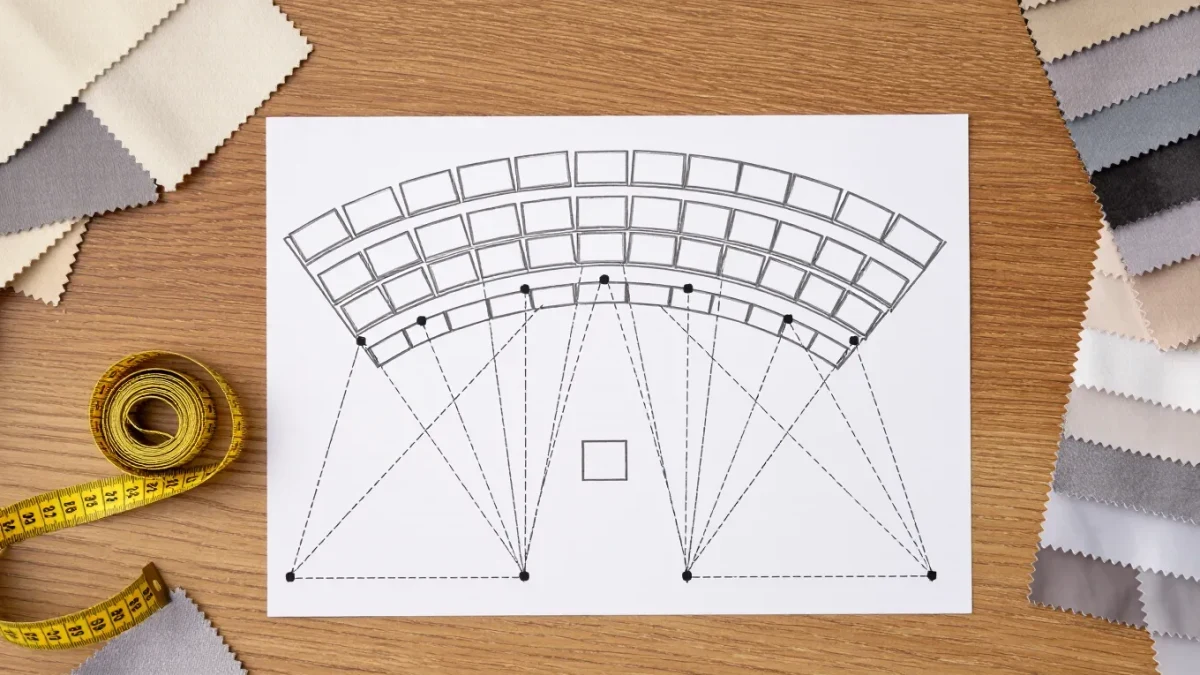
The seating chart is built in concentric circles of value. Directly opposite the end of the runway sit the brand's creative leadership and its most important celebrity guests, positioned so photographers shooting down the catwalk capture them in the same frame as the clothes. Flanking them come major editors, retailers and, increasingly, the ambassadors and campaign faces whose contracts include show attendance. Behind the first row sit press, buyers' teams and industry executives, with the general hierarchy getting blurrier as streaming and social coverage have expanded the guest list.
Why do celebrities matter so much to brands?
Because the photographs outlive the show. A twenty-minute presentation produces a season's worth of images, and a single well-dressed actor in the front row generates coverage that reaches audiences who will never see the collection review. Brands plan guest styling down to the look: celebrities typically wear pieces from the current or upcoming collection, seeded weeks in advance so that the seating aligns with the runway narrative.
The exchange runs both ways. For an actor, a front-row appearance between film projects keeps a public profile warm without a press tour's obligations, and a relationship with a house can mature into ambassadorship, one of the most lucrative endorsement categories in entertainment. For the house, a trusted guest offers the credibility of a genuine wearer rather than a rented face.
How has the front row changed?
The rows have widened in composition. Influencers and content creators earned places alongside editors as platforms shifted attention from print reviews to short-form video, and the pandemic-era experiments with digital shows accelerated a hybrid model where physical seating coexists with streamed audiences. What has not changed is the physical logic of the room: proximity to the runway remains a public statement of a relationship's strength, and demotions are read as precisely as promotions.
What should you watch at the next show?
Watch the pairings rather than the individuals. Who a brand seats together, which actors flank the creative director on the post-show lap, and which guests wear archive pieces rather than new season all signal relationship tiers that the industry tracks obsessively. The front row is not an audience in the passive sense; it is a message the brand writes in people, re-drafted every season, and photographed from enough angles that no gesture in it is accidental.
How do houses manage the guest list?
Months before a show, a brand's communications team begins building the list from a matrix of relationships, obligations and ambitions. Longstanding editorial partners are anchored early, ambassador contracts are checked for appearance commitments, and a handful of seats are held for the season's strategic bets, a breakout actor with a film releasing or a musician between album cycles. Every invitation is a decision about what the brand wants to say this season, and the final chart is often revised until hours before doors open.
More than ever, because scarcity is the point. Anybody can watch a show streamed online, but only a few hundred people can be in the room, and the industry's ongoing conversation about power, access and influence still resolves into that single row of benches. As long as proximity remains the scarcest commodity in fashion, the front row will keep functioning as the industry's most legible status map, one folding chair at a time. For anyone learning to read fashion's power structures, the discipline starts simply: look at who is seated beside whom, and the rest of the season's story tends to follow.