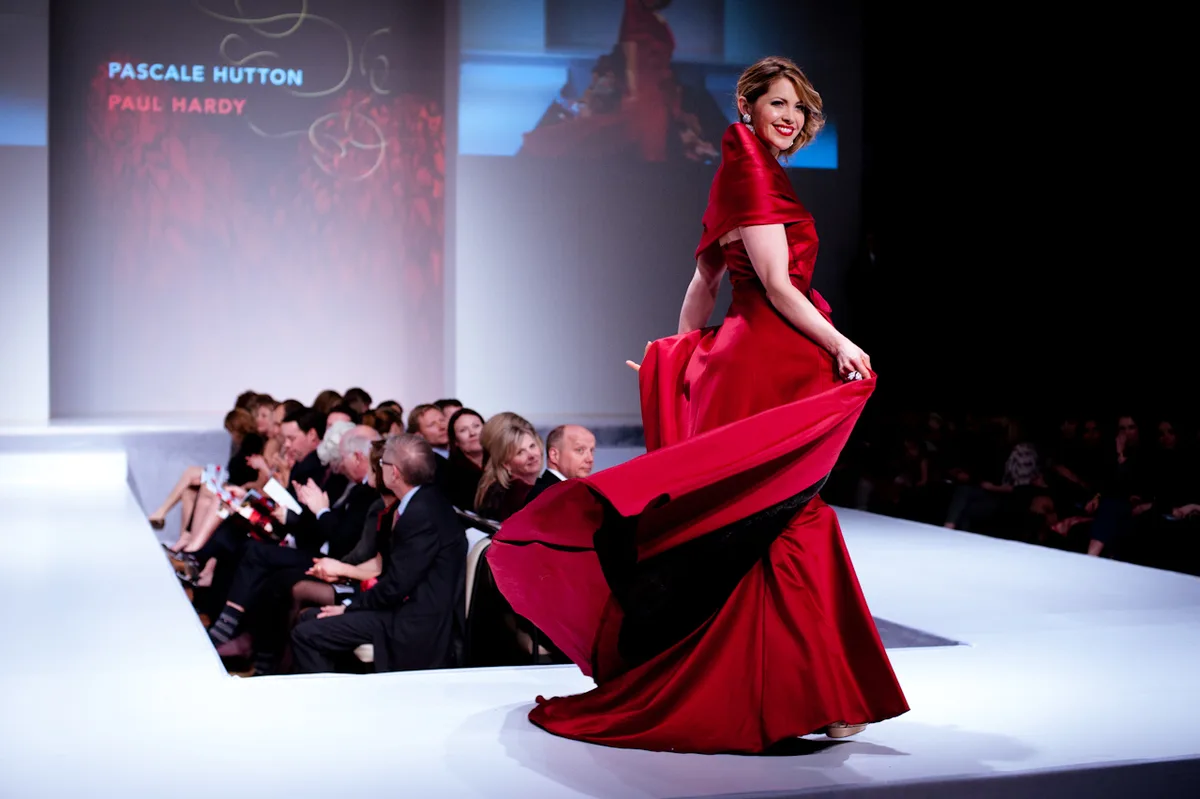
A casting announcement sparks a fashion moment because it is the first public proof that a project is real. When a studio confirms an actor in a role, every photo taken around that confirmation gets read as a clue to the character. The outfit is part of the read, whether or not anyone plans it that way.
Stylists and publicists do plan it that way, most of the time. The look worn to a role reveal, a first press day, or a fan event is treated as the opening statement of a campaign. It sets a tone the trailers and posters will later confirm or play against.
Merriam-Webster defines the noun "why" as the cause, reason, or purpose behind something, and the word earns its place here, because the purpose of a casting-announcement look is rarely just to be pretty (Merriam-Webster). It is a signal. Below is how that signal gets built, and the unwritten rules that shape it.
Why does a casting announcement need a look at all?
Strictly speaking, it does not. An actor can be announced in a press release with no photograph, and many are. But the modern announcement cycle runs on images. A reveal lands on social feeds, fan accounts crop and zoom, and entertainment desks need something to run beside the news. A deliberate look gives everyone that something.
The look also buys attention before footage exists. A film or series may be a year or more from release. In that gap, the actor's public appearances are the only moving picture the audience has. Wardrobe fills the silence. A moody palette hints at a thriller. A sharp suit hints at a polished, talky role. Softness and color hint at romance or comedy.
This is where the phrase casting announcement style earns its keep. It describes the pattern of choices an actor and stylist make in the weeks around a role reveal, when every outfit is read against a part the audience has not yet seen.
How does wardrobe telegraph a role's tone and genre?
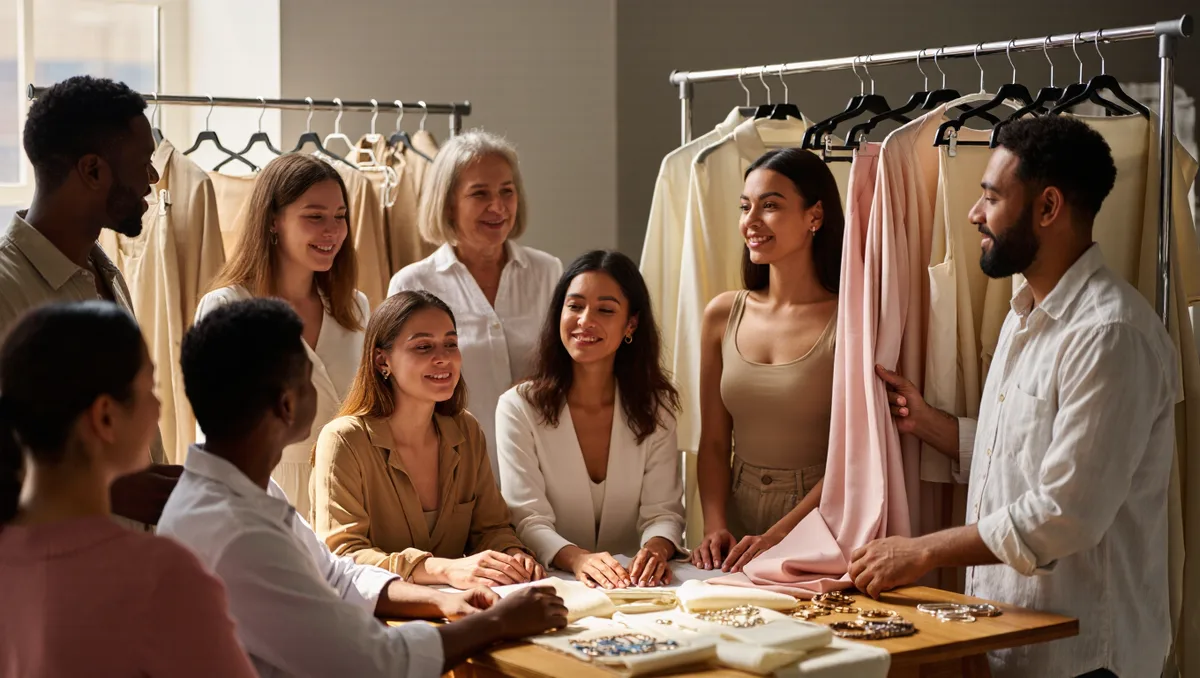
Stylists borrow the visual grammar of the genre itself. A period drama invite tends to produce texture, structure, and restraint. An action project tends to produce clean lines and ease of movement, clothes that photograph as capable rather than decorative. A comedy press tour often loosens everything: brighter color, playful proportions, a willingness to look a little funny on purpose.
None of this is a code with fixed meanings. It is closer to a shared instinct between the actor, the stylist, and the studio's marketing team. The goal is coherence. If the character is meant to read as dangerous, a frilly pastel press look would create friction, and friction confuses a message that is still forming.
The reverse move exists too, and skilled teams use it. Sometimes the announcement look is deliberately against type, to suggest range or to shake a previous image. That is a riskier play. It works when the contrast is the point, and the press coverage does the explaining for free.
What the audience sees as instinct is often coordination. The styling choice, the interview answers, and the first trailer drop are sequenced like chapters. The clothes rarely carry the story alone. They carry the mood of it.
What are the unwritten rules stylists follow for these moments?
A few patterns recur across the industry, even though no one publishes them as rules.
- Serve the project first. The look belongs to the role's campaign, not to the stylist's portfolio. If the film is somber, the somber note wins.
- Do not upstage the news. The announcement is the story. A look that overwhelms it creates the wrong headline.
- Leave room to grow. The first look of a campaign should not be the best one. Premieres and award shows come later, and the arc needs somewhere to go.
- Keep the actor recognizable. A reveal look should still look like the person wearing it. Audiences form attachments to people, not to costumes.
- Never comment on the character directly. The wardrobe hints. It does not spoil. Designers and actors alike tend to keep the specifics for the screen.
Those last two matter most. A casting announcement is a promise, not a summary. The best looks promise without explaining, which is why they often seem simple in photographs and deliberate in hindsight.
What happens at a press junket, and how does style change there?
A press junket is a run of short interviews in a single day, usually in a hotel suite or a studio backlot, with the actor changing settings but often keeping one look or a small rotation. The constraints differ from a red carpet. Cameras sit closer. Lighting is flatter. The frame is a seated medium shot, so tailoring and necklines matter more than gowns.
For junkets and early press days, stylists usually pick clothes that read well at that distance and hold up across a dozen interviews. Comfort counts, because a tired actor by the final interviews of the day photographs like one. The fuller mechanics of a carpet or event look are covered in our explainer on What a stylist actually does before a red carpet, and the junket version is its faster, more practical cousin.
There is also a fan-facing layer. Panels, conventions, and photo calls invite a looser register, and actors sometimes nod to the source material there, a color or a motif that fans will catch. It is a wink, not a costume. Studios have learned that these small nods travel further online than any formal portrait.
What this means for how to read a casting reveal
Our analysis is simple: treat the first outfits of a campaign as marketing, and they start making sense. The question to ask is not whether the look is good. It is what the look is for. Ask three things. Does the styling match the genre the studio is selling? Does it extend or contrast the actor's previous image? And does it leave room for the bigger moments still to come?
That reading habit works across the whole calendar. Award season does the same thing at larger scale, which is why coverage of events like Oscars 2026: a record field before the big carpet reads so differently once you know the outfits are part of a months-long campaign. The summer franchise machine runs the same playbook, as our piece on Summer 2026 blockbusters and the fashion machine around them shows.
For readers who follow this beat, the wider entertainment news section tracks these cycles as they unfold, and the celebrity desk follows the people at the center of them.
What the evidence does and does not establish
What is well established is the structure: casting announcements are image-driven marketing events, stylists coordinate with studio campaigns, and wardrobe choices are read by fans and press as signals of tone. What remains unknown, from the outside, is the exact division of labor in any given case. Which idea came from the actor, which from the stylist, and which from the studio's marketing team is rarely on the record, and honest coverage leaves it that way. The look speaks. The credit stays quiet until someone involved chooses to say it.