Summer 2026 has turned the multiplex back into a fashion venue. "The Mandalorian and Grogu" opened the season for Lucasfilm on May 22, 2026, with Pedro Pascal and Jeremy Allen White leading Jon Favreau's feature, "Supergirl" followed from Warner Bros. and DC Studios on June 26 with Milly Alcock in the title role under director Craig Gillespie, and Disney's "Toy Story 5" has been playing to family audiences across the break, ranking among the year's top earners at the global box office, per industry release calendars. Each of these films arrives with a wardrobe attached, and the merchandise racks, collaboration drops and premiere carpets that surround them have become as engineered as the visual effects.
How did blockbusters become fashion events?
The modern template was written in the summer of 2023, when the "Barbie" marketing campaign flooded retail with licensed pink and demonstrated that a film's color story could move real-world sales for months. Since then, studios have treated costume identity as a licensing asset from the earliest stages of production. A character's silhouette is designed to survive translation onto a T-shirt, a sneaker collaboration or a makeup palette, which means costume designers and brand partnerships teams now work in parallel rather than in sequence.
What does a film-to-fashion tie-in actually involve?
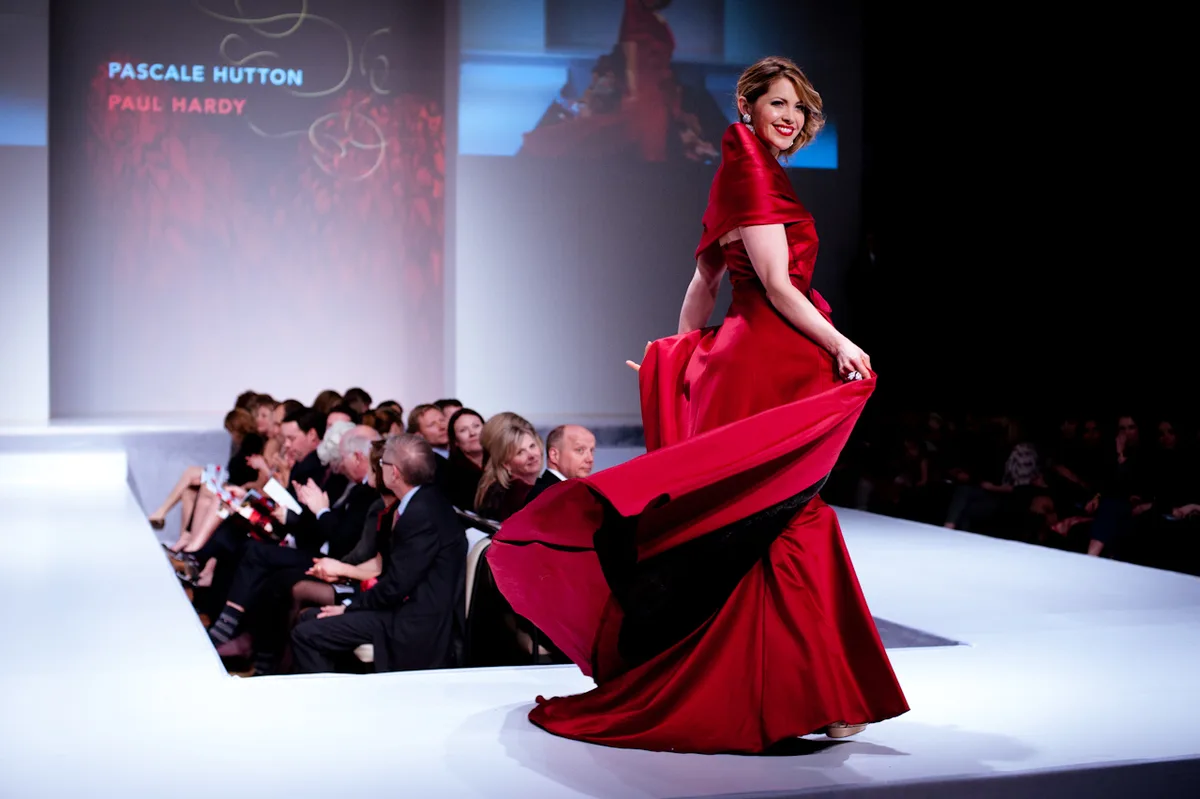
The visible layer is the premiere circuit. A summer tentpole can sustain weeks of international premieres, and the cast's styling is briefed against the film's visual world rather than generic formalwear. When a franchise has a strong palette or a signature material, stylists echo it in construction and color rather than costume, a distinction that keeps the carpet reading as fashion while still serving the marketing.
Underneath sits the retail layer. Licensees across apparel, footwear, beauty and accessories time their product windows to release dates, and the resulting drops give fans an entry point that costs less than a movie ticket's worth of popcorn in some categories. The craft question is fidelity: the tie-ins that endure treat the source material's design language seriously rather than printing a logo on a blank.
Why do summer releases lean hardest on style marketing?
Because the audience is outside. Summer campaigns compete with vacations, concerts and each other, and fashion offers a way for a film to exist on a customer's body between viewings. A licensed collection functions as advertising the buyer pays for, while a well-executed collaboration earns media coverage that a traditional trailer buy cannot, appearing in fashion press rather than only in entertainment coverage.
The 2026 season shows the model maturing. Franchise films now launch with fashion partnerships announced alongside casting news, and premiere styling is planned as a months-long arc rather than a single night. For the crews of stylists, costume designers and brand teams involved, summer is no longer the industry's quiet season; it is its most crowded runway.
How do costume designers fit into the business?
The craft core of the trend is the costume department. A franchise costume designer now builds looks knowing they will be photographed at premieres, referenced by licensees and studied by fans, which raises the standard for material quality and construction detail. That pressure has had a professional upside: costume design has gained visibility as an art form, with awards-season recognition drawing more attention to the departments behind the tie-ins. The designers who thrive here treat durability as a design requirement, since a hero costume must survive both a shooting schedule and a cultural afterlife on merchandise.
Watch the second weekend. Tie-in collections that sell through after opening week indicate a film's aesthetic actually connected, rather than being propelled by opening-night curiosity. And watch the resale market a year later: the collaborations that hold value are the ones where the design team treated the film as a design brief, not an advertising obligation. That is the quiet professional standard behind every summer when the box office and the wardrobe rack move together.