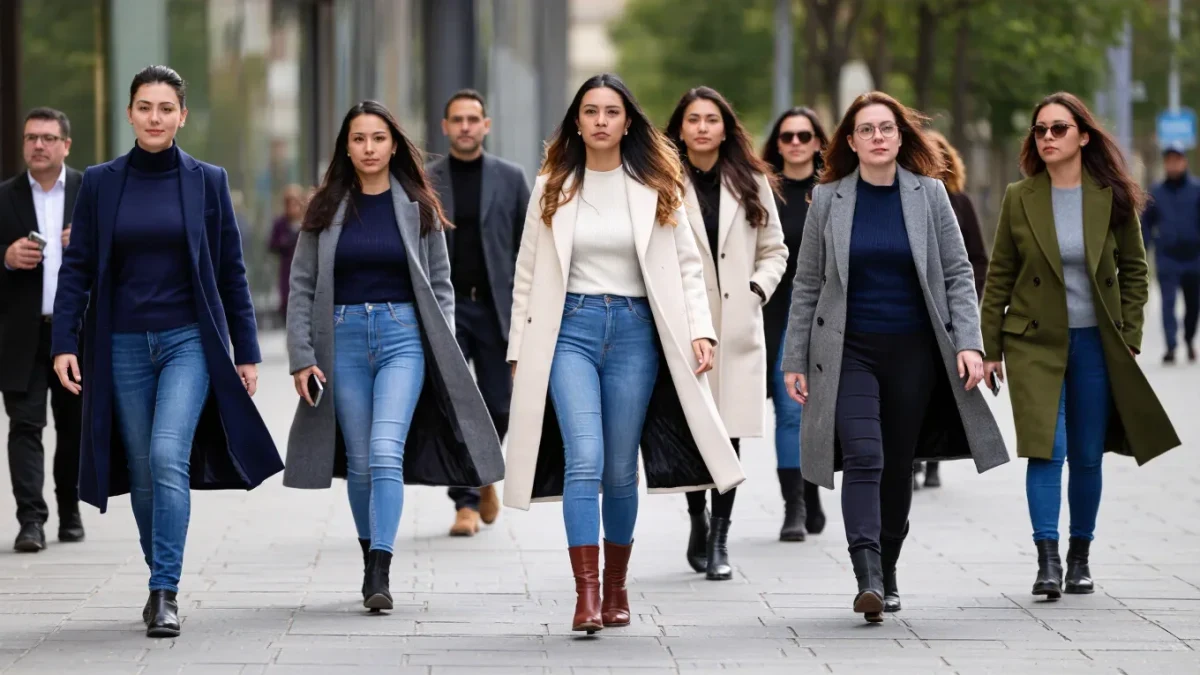
A capsule wardrobe is a small set of coordinated clothes that covers nearly every occasion a public life generates. When actors are photographed at airports, coffee runs and press days, the relaxed consistency of their off-duty looks is rarely accident: it is the capsule logic stylists use to keep a client recognizable, comfortable and camera-ready with minimal decisions. The same system works off the red carpet for anyone.
What is a capsule wardrobe in practice?
It is a defined set of garments, often between twenty-five and forty pieces including shoes and outerwear, that combine freely. Every top works with every bottom, and a single palette keeps combinations coherent. The goal is not minimalism for its own sake but efficiency: fewer pieces, each earning its place through fit and versatility. Think of it as a working wardrobe rather than a collection.
Why does this approach suit public life?
Because public life is unpredictable in schedule but predictable in scenarios. There will always be a photographed errand, a casual meeting, a dinner, a flight. A capsule built around those scenarios removes the morning scramble and guarantees the images look consistent. Stylists describe this as protecting the client's visual identity: the same tailored coat, the same reliable silhouette, adjusted by season.
How do you choose the palette?
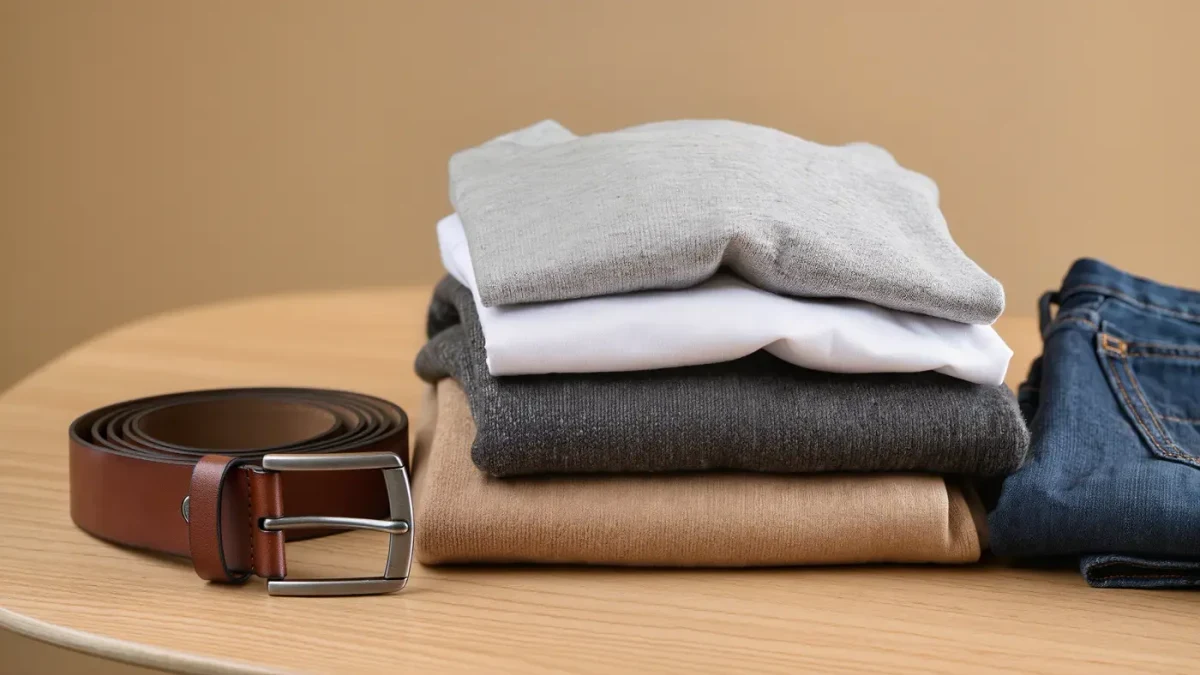
Two or three neutrals as the base, such as navy, gray, cream, black or olive, plus one or two accent colors that suit the wearer. Neutrals photograph quietly and mix without thought, while accents give the wardrobe personality. The discipline is refusing colors that clash with the base, however tempting the piece. If an item only works with one other item, it does not belong in the capsule.
Which pieces earn their place?
- One perfectly tailored coat that elevates everything beneath it.
- Dark straight or tapered trousers and one pair of jeans in a clean wash.
- Three to five shirts or tops in the base palette, mixable in any order.
- One knit that reads polished, such as a fine merino crew or turtleneck.
- A blazer or jacket that bridges casual and dressy occasions.
- Two pairs of shoes that cover the range: one leather, one clean casual.
- A scarf, bag or eyewear piece that functions as a signature.
The exact items change with climate and personal style; the test for each is whether it pairs with most of the others.
How do celebrities keep capsules from looking repetitive?
Through rotation of the signature layer. The base stays constant, but a changing coat, shoe or accessory refreshes the whole system, which is why some stars are associated with a single item like a particular boot or frame. Texture does quiet work as well: swapping smooth cotton for chunky knit changes the photograph without changing the formula. Repetition reads as identity, not boredom, when each element is chosen deliberately.
What about formal events within a capsule?
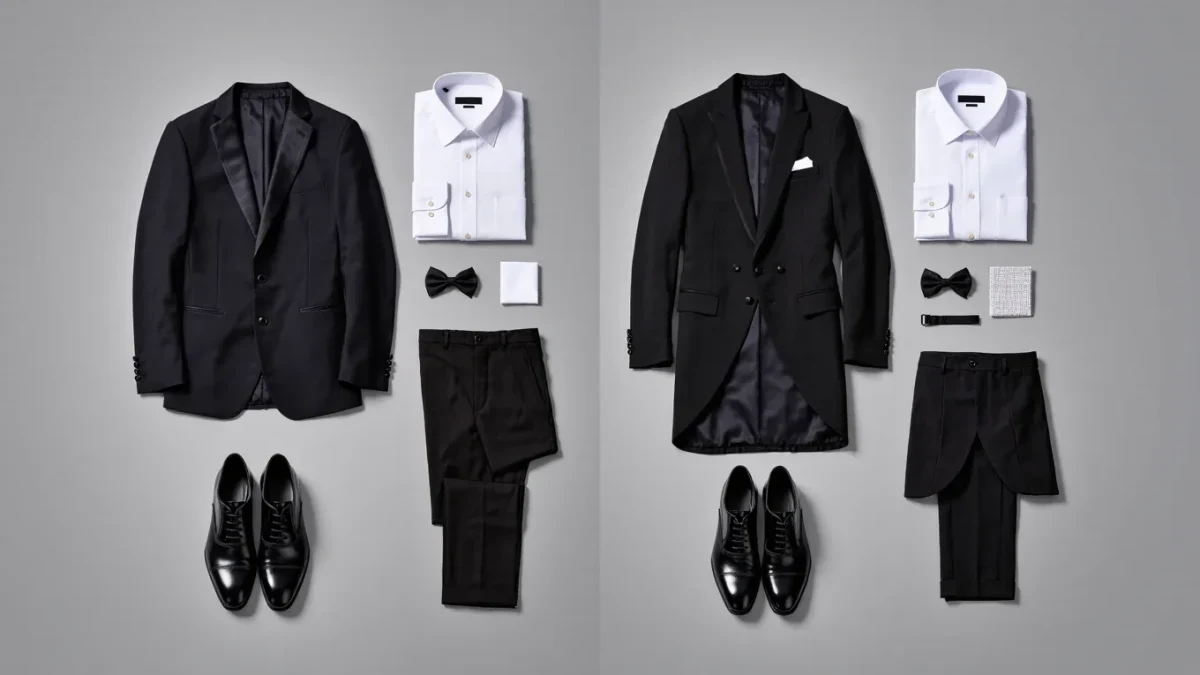
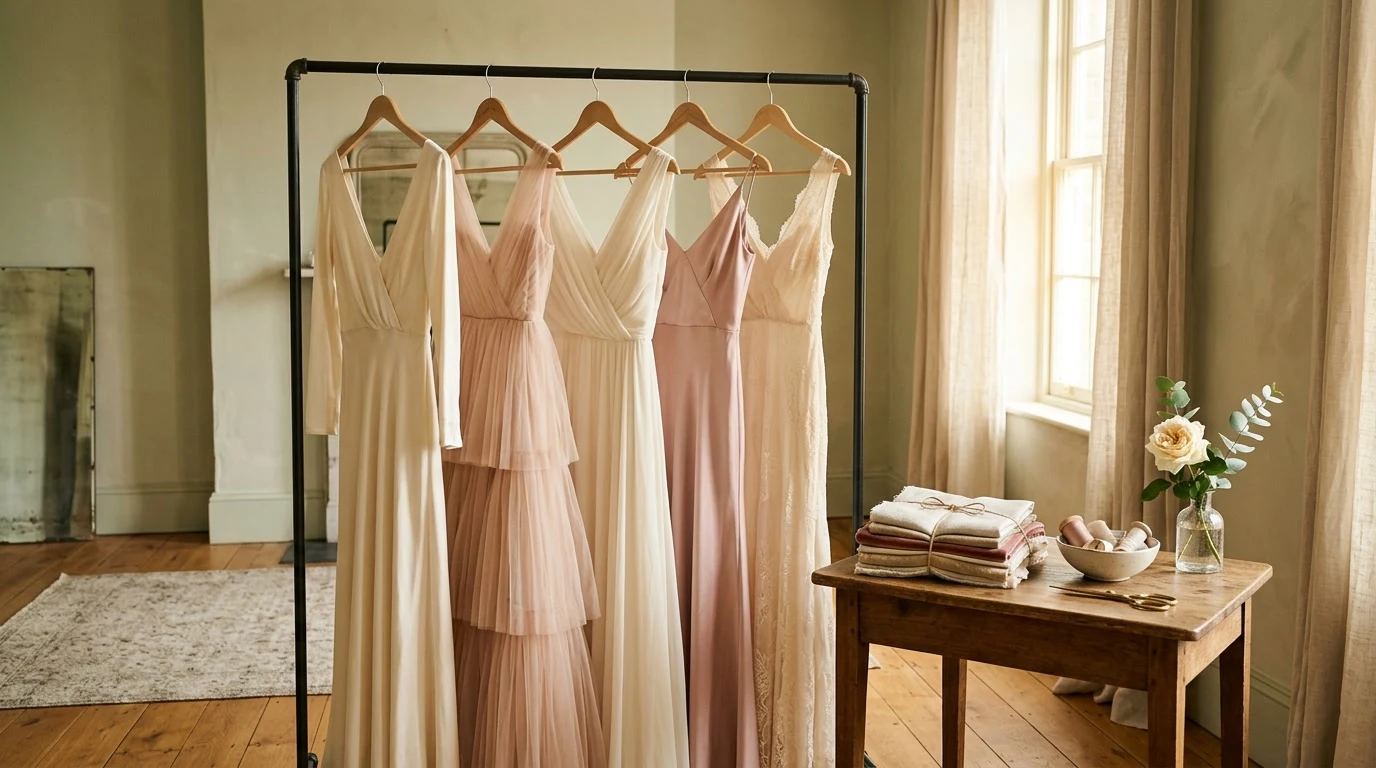
Formal wear sits outside the everyday capsule as a small annex: one dark suit or one versatile formal dress, one pair of formal shoes, one evening bag or set of accessories. In the celebrity economy even this layer is often borrowed rather than owned, which is a useful lesson in itself. Keep the annex separate and small, and it will not distort daily dressing.
How often should a capsule be edited?
Twice a year, at the change of warm and cold seasons. Remove anything unworn, replace what has worn out, and correct fit while silhouettes still flatter. A capsule fails when it becomes a museum; it should be a living system with a stable core and a slow turnover. Most people find that after the first year of editing, purchases drop sharply because gaps have been filled properly.
What is the biggest mistake to avoid?
Buying statement pieces first. A capsule is built from the base up: trousers, tops and outerwear that cooperate, then the accents. Statement items without a foundation hang unworn, which is the opposite of the system's purpose. Start boring, in the best sense, and the wardrobe becomes interesting on purpose.