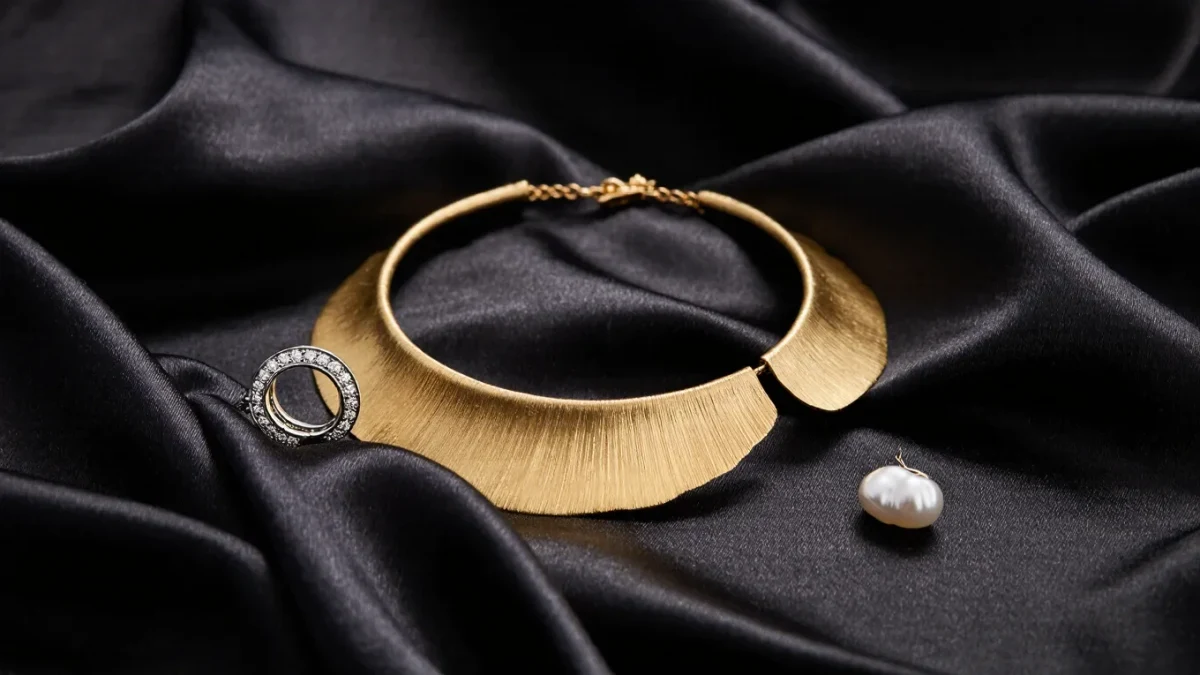
Nineties minimalism is back. Slip dresses in bias-cut satin, sharp black trousers, white shirts and barely-there accessories reappeared across 2025 runway collections and by early 2026 had moved fully into red carpets and street style. The return was not nostalgia for its own sake. The decade's formula, one clean line and nothing extra, answered a moment oversaturated with texture, logos and ever-faster trend cycles. When everything shouts, the quietest silhouette in the room wins attention.
What did 90s minimalism look like the first time?
The original movement peaked in the early to mid 1990s as a reaction to the exaggerated shoulders and opulence of the 1980s. Its vocabulary was strict: column silhouettes, monochrome palettes, matte fabrics, flat shoes, hair pulled back. Designers on both sides of the Atlantic built careers on reduction, proving that a dress with no ornament could hold a room if the cut was exact.
The red carpet version was equally disciplined. Slips, simple gowns and black suits photographed as statements of confidence, because there was nowhere to hide a bad line.
Why is it returning now?
Three pressures converged. First, maximalism fatigue: after years of embellishment, volume and themed dressing, both designers and wearers wanted relief. Second, the quiet luxury current of 2023 to 2025 had already retrained eyes to read restraint as expensive, preparing the market for full minimalism. Third, the trend cycle itself sped up so much that the simplicity of the 1990s started to look like a form of resistance, a wardrobe that opts out of the weekly churn.
Runways in 2025 made it official, with slip dresses, tailored trousers and monochrome looks appearing across multiple houses in the same season.
What pieces define the revival?
The new round keeps the original skeleton and updates the details:
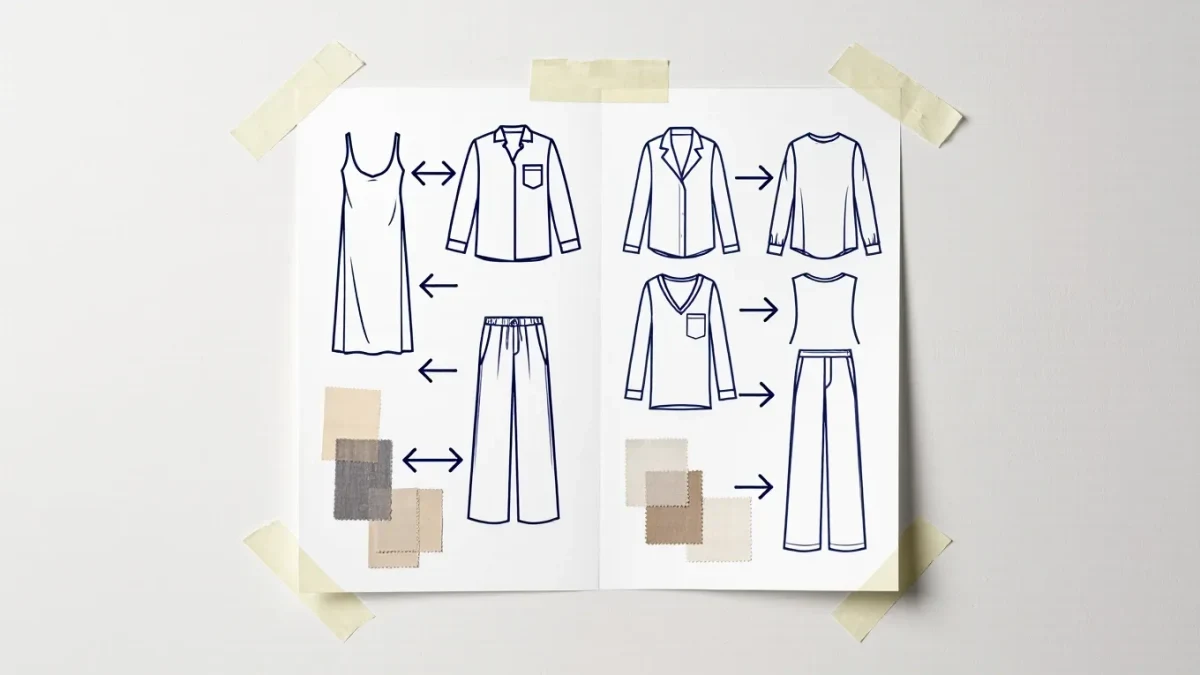
- Bias-cut satin slip dress, now often layered over tees or knits
- Straight-leg black trousers with a pressed crease
- Crisp white poplin shirt, worn oversized or buttoned to the top
- Structured shoulder bag in plain leather
- Thin-strapped or backless silhouettes in matte jersey
- Flat or low shoes, from loafers to square-toe sandals
The 2026 styling is slightly softer than the 1990s original. Less severity, more layering, and a wider range of neutral tones beyond strict black and white.
How do you wear it without looking dated?
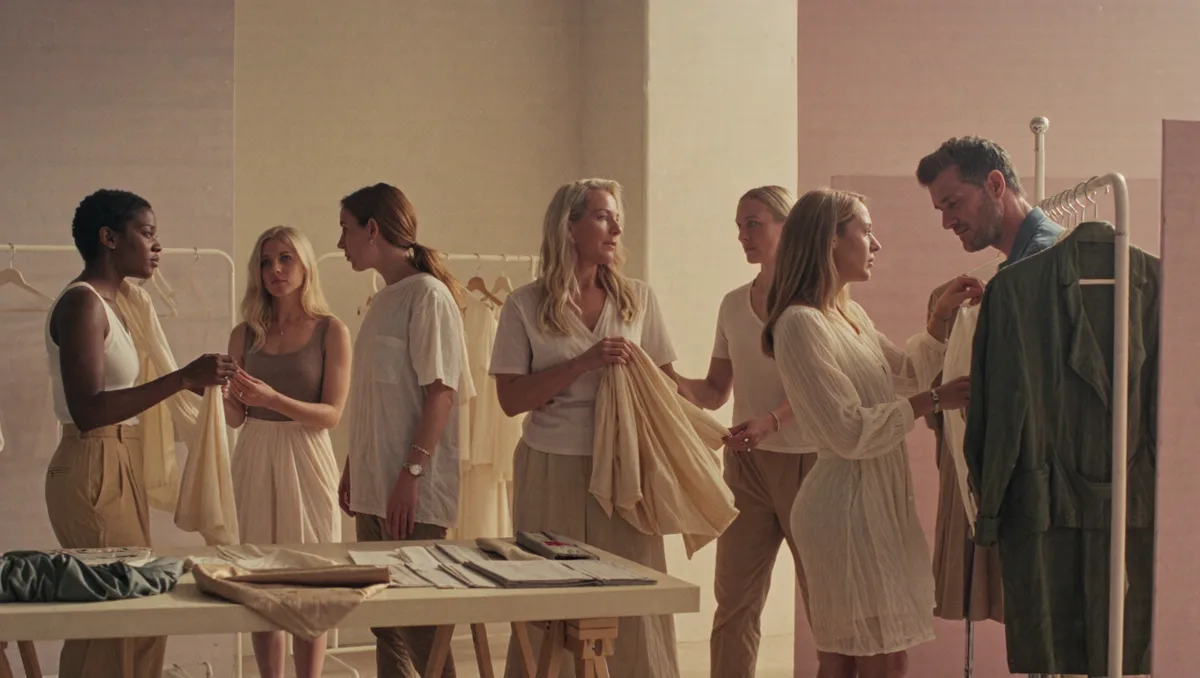
Fit and fabric carry everything. A bias slip only works in fabric heavy enough to drape, and trousers only look sharp with a real hem length for your shoe. Proportion is the modern lever: pair the slip with something structured, or the oversized shirt with something slim, so the outfit reads deliberate rather than reproduced.
Avoid costume cues. Period-perfect hair and accessories turn the look into a theme party. One updated element, a current shoe, a modern bag shape, keeps the outfit in conversation with now.
Why does minimalism keep coming back?
Because it is fashion's reset button. Minimalism returned after the ornament-heavy 1980s, again after logo mania in the 2000s and 2010s in various forms, and again after the maximal years of the early 2020s. Each return follows the same logic: a decade of accumulation eventually produces its opposite. The 1990s version endures as the reference because it was the most complete, taking reduction all the way to the line itself.
Is this revival here to stay?
Trends this clean rarely vanish quickly. The revival aligns with durable shifts already in motion: smaller wardrobes, better fabrics, dressing with intention. Even as decoration returns in other corners of fashion, the slip dress and the pressed trouser have reclaimed their place as defaults, which is exactly where the 1990s left them.
Which fabrics matter most in the revival?
Fabric is the whole argument. Bias-cut satin only falls correctly when it has weight, so cheap chiffons defeat the purpose. Matte crepe, heavy cotton poplin, washed silk and fine wool crepe are the workhorses of the look. Color stays low-saturation: bone, greige, espresso, black. The discipline is what makes the style read expensive, because with no ornament and no pattern, the material itself carries every judgment a viewer makes about the outfit.