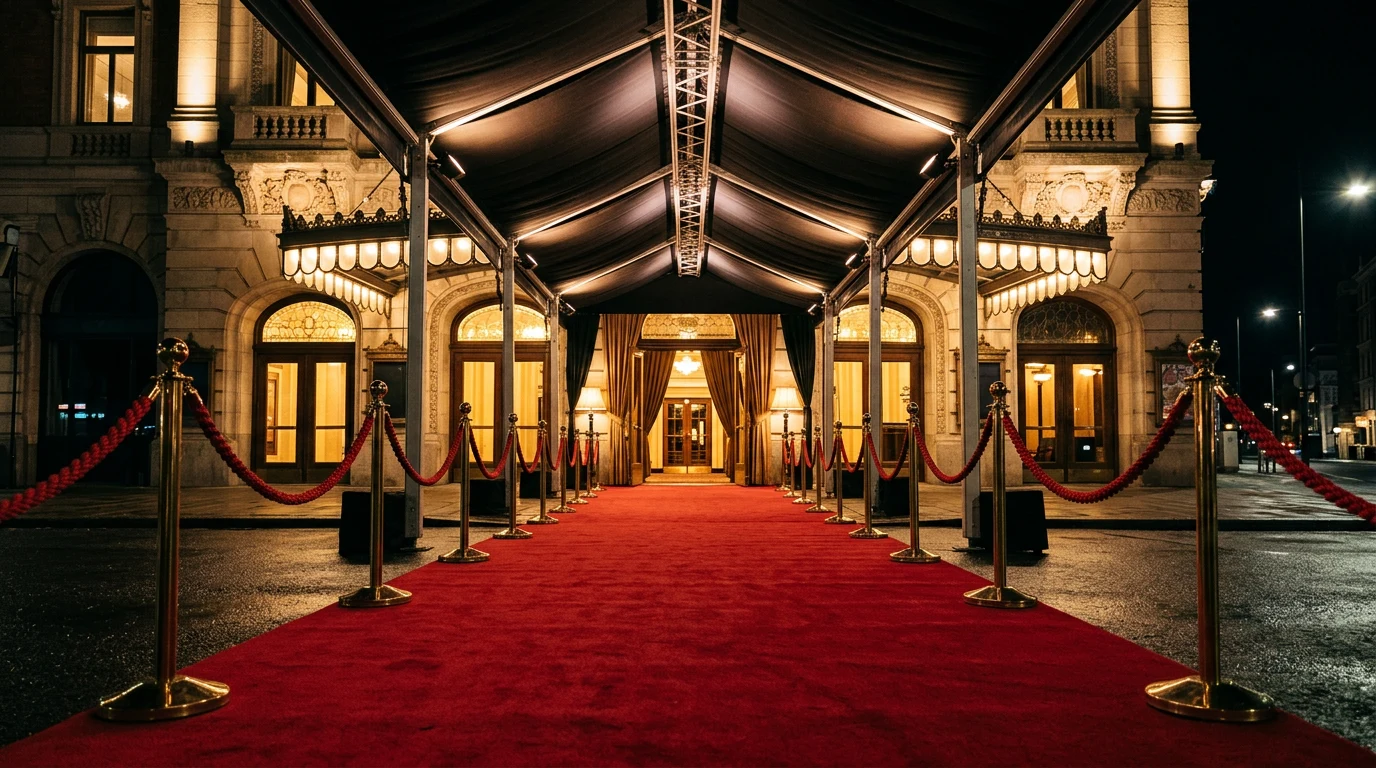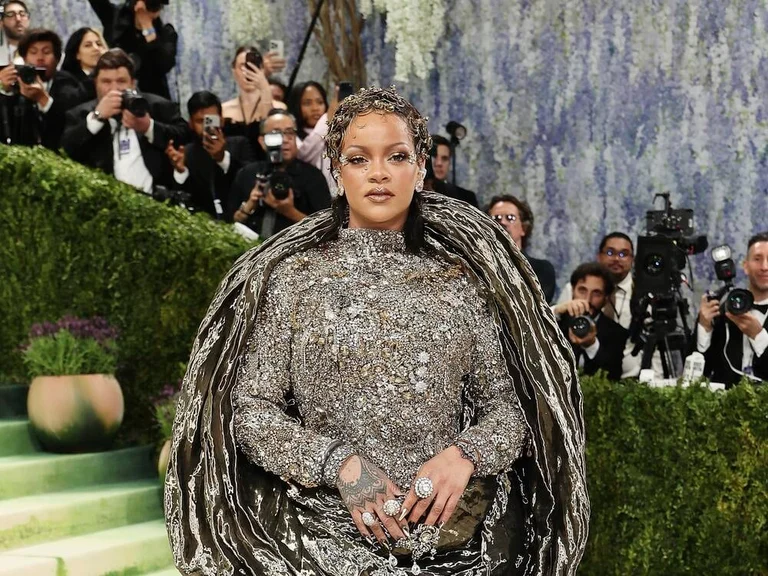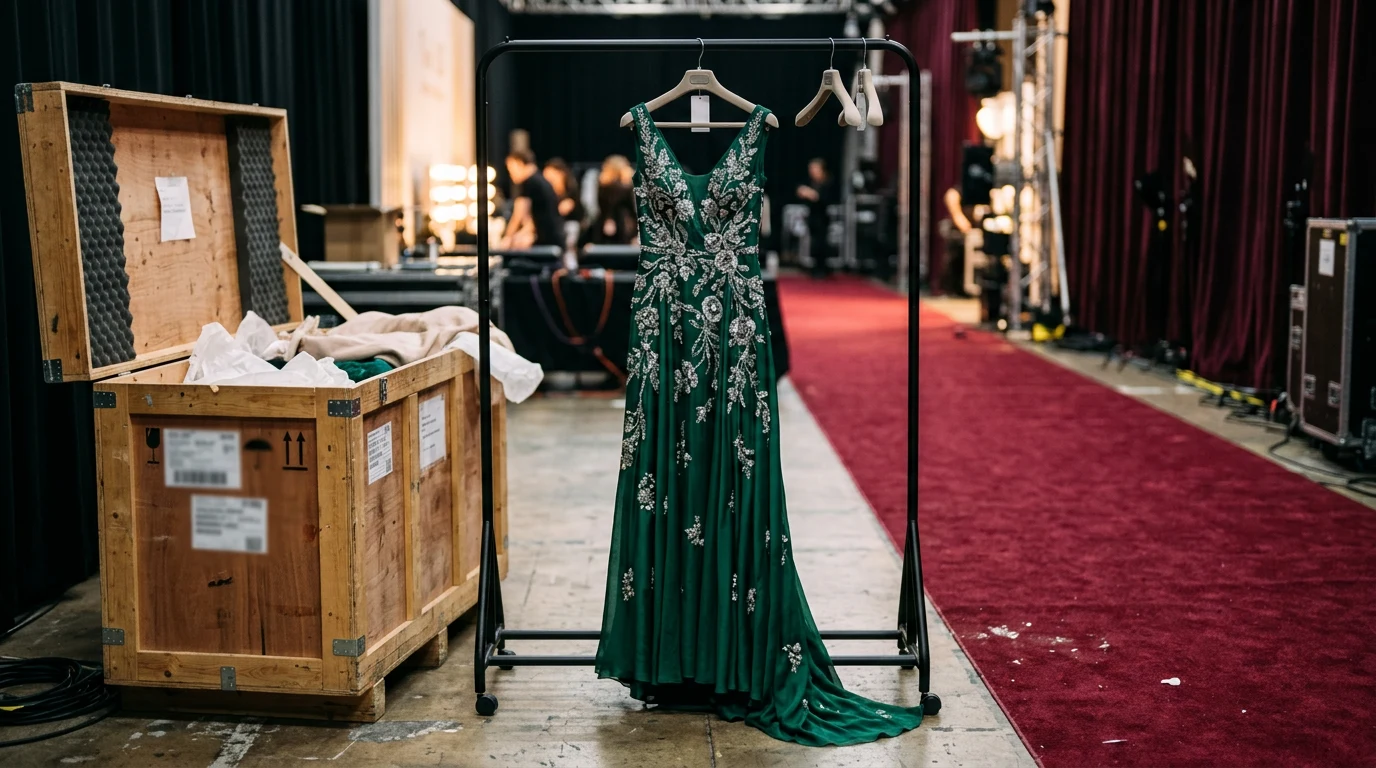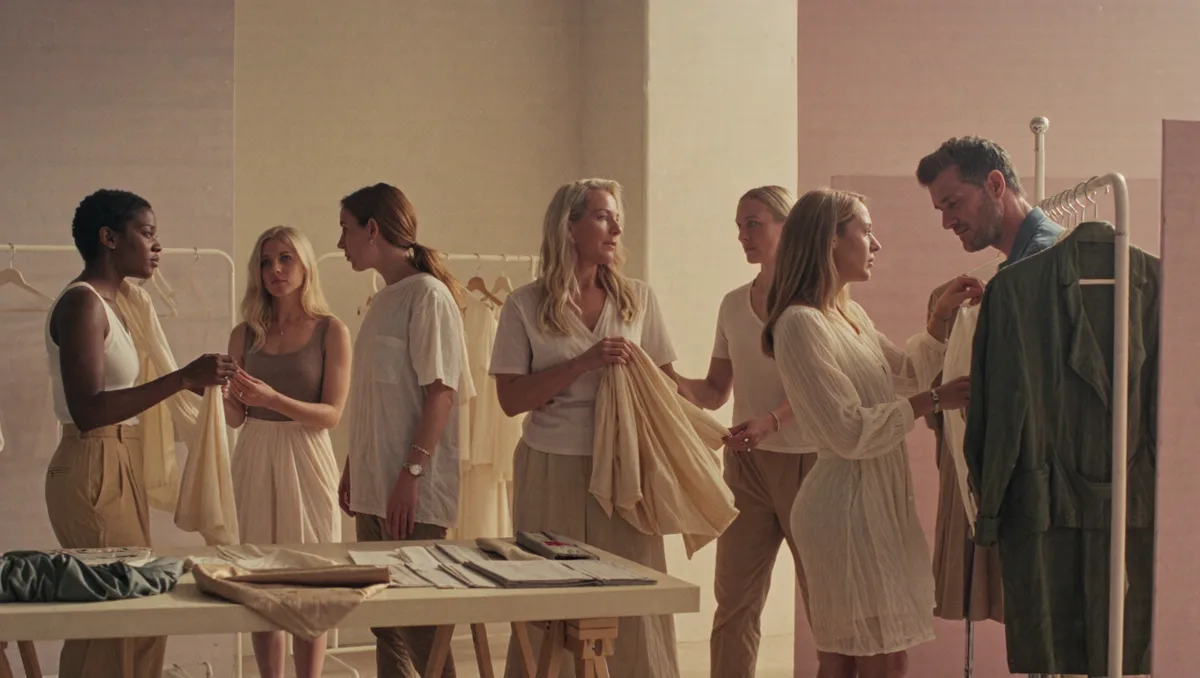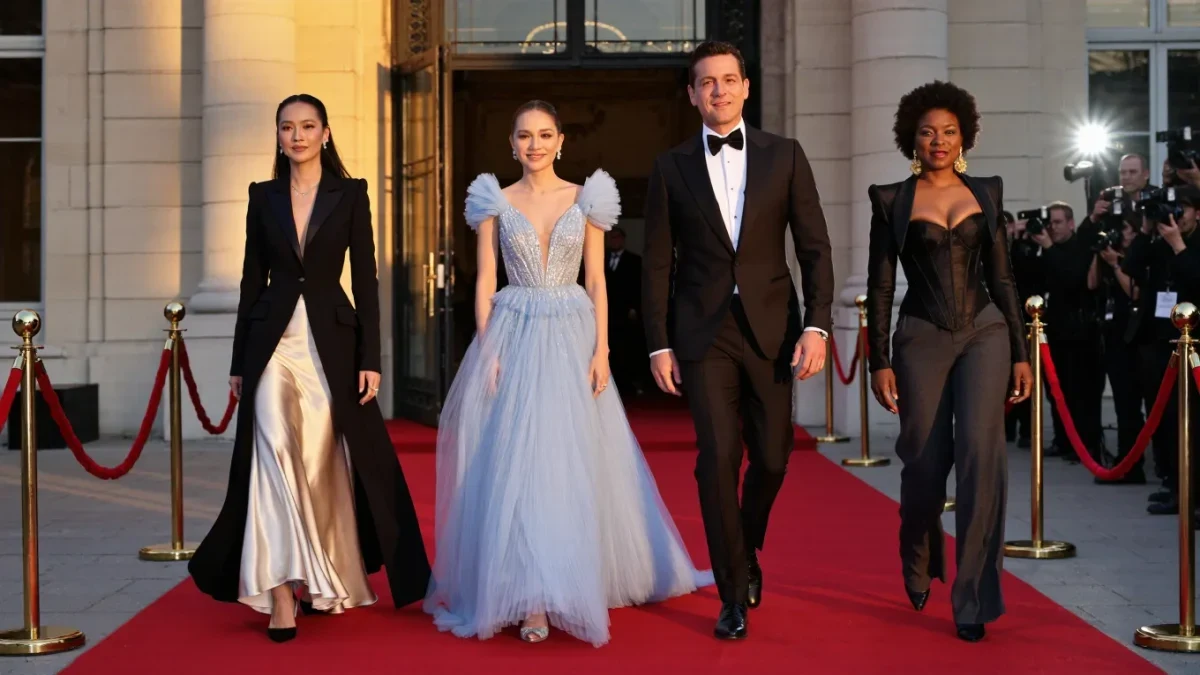
Red carpet dress codes stopped being binary. Over roughly the decade from 2015 to 2025, skirts, gowns, heels and jewellery migrated across the menswear and womenswear divide on the biggest stages in entertainment, from galas to festivals to awards nights. Male-presenting guests arrived in tulle and trains, female-presenting guests in full suiting, and by the mid 2020s neither choice needed an explanation. The change was gradual, celebrity-led and, by 2026, largely settled into normal carpet grammar.
How did the change start?
Through individuals before institutions. Musicians had played with gendered dress on stages for decades, but the awards carpet held to a stricter split: tuxedo or gown. The shift became visible in the mid 2010s, when a handful of actors began appearing in skirts, capes and heeled boots at premieres and galas. Each appearance generated coverage precisely because it broke the code, and each repetition made the next one easier.
Fashion houses accelerated the process by collapsing the runway divide itself, presenting collections through the late 2010s that mixed models and categories, which gave public dressers a ready wardrobe outside the binary.
What does the new carpet grammar look like?
The current palette is wide. Alongside the classic tuxedo and gown sit:
- Silk skirts and long-line coats with tailored tops
- Gowns with sharp tailoring built in, like a dress with trousers underneath
- Heeled boots and platforms across all presentations
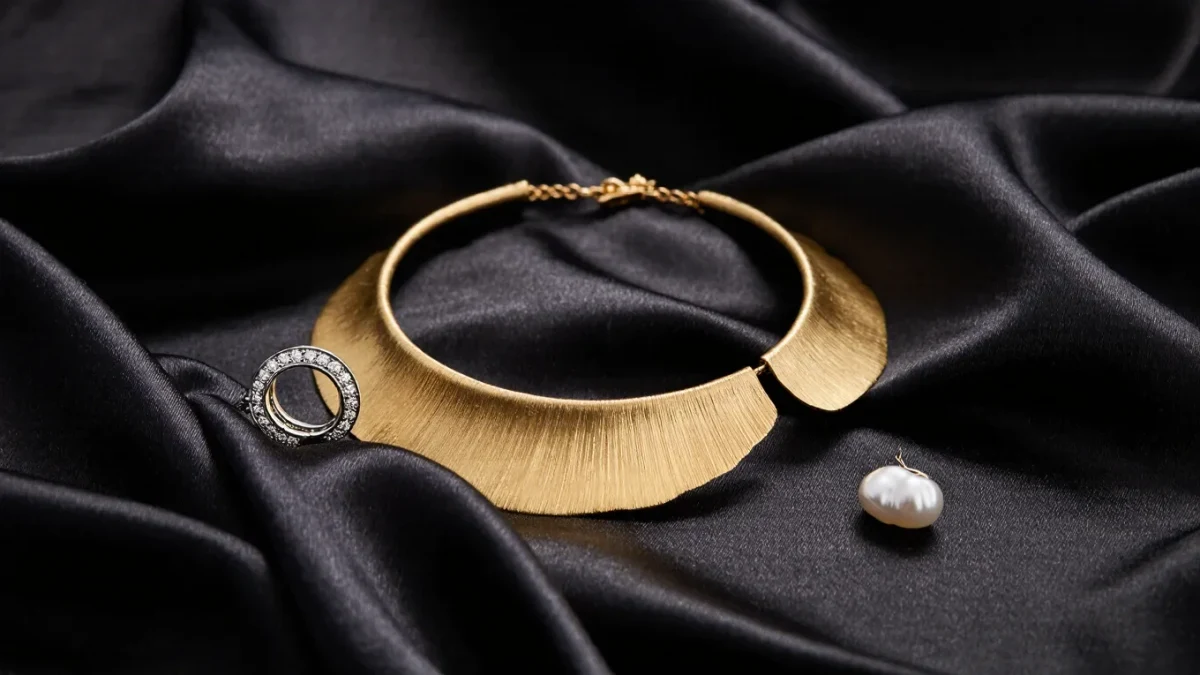
- Jewellery at any scale, from pearls to heavy chains, on any guest
- Corsetry and sheer elements as standard menswear vocabulary
What disappeared is the expectation, not the classics. A traditional tuxedo remains as strong a choice as it ever was.
Why did formal dress codes change faster than everyday ones?
Because the carpet is a maximum-attention environment, and attention rewards distinction. Formal events concentrate cameras, stylists and audience curiosity in one place, so a rule break there travels globally in hours. Everyday dress codes changed more slowly simply because everyday dressing has no audience pressuring it to evolve.
Awards institutions also caught up on paper. Dress codes on invitations were quietly rewritten or dropped across the 2010s and 2020s, moving from black tie assumptions toward descriptions of formality rather than garment type.
What role did stylists and houses play?
A structural one. Stylists assembled looks from both sides of the showroom without treating it as a statement, and houses built custom pieces that ignored the divide entirely. Once the sample inventory itself became mixed, the binary needed extra effort to maintain, and nobody in the pipeline had an incentive to make that effort. Custom carpet pieces now routinely combine a tailored jacket with a skirted silhouette in one garment.
Has the change stuck?
Signs point to yes. By the 2024 and 2025 seasons, gender-nonconforming carpet looks were commented on for their design quality rather than their category, which is the marker of a settled shift. Fashion retrospectives of the late 2010s now treat the era's boundary-breaking carpets as turning points the way earlier retrospectives treated the tuxedo's own arrival on women's carpets in earlier decades.
What can everyday dressers take from it?
The underlying principle travels well: choose garments by silhouette, fabric and occasion rather than by department. A silk skirt, a heavy chain, a heel, all of these read formal or casual depending on styling, not on who is wearing them. The carpet's decade-long lesson is that dress codes are agreements, and agreements can be quietly renegotiated every time someone gets dressed.
How do you build a fluid formal look?
Start from formality, not category. Pick the level of occasion, then choose the silhouette you want to project: structured, flowing or mixed. A long coat over wide trousers reads formal without any gown. A sheer overlay on tailoring softens it. Accessories carry the rest, since a heel, a chain or a brooch shifts an outfit's register more than most garment swaps. If the result photographs as deliberate from ten meters, the look works, and no department label matters after that.