A modern press tour is no longer a string of outfits, it is a styled season with a through-line. Between 2023 and 2025 the promotional circuit for a single film grew to twenty or more public appearances across multiple continents, and wardrobe planning grew with it. Stylists now build tour wardrobes the way designers build collections: one concept, executed in escalating variations, timed to each city. Understanding the mechanics explains why some tours become fashion folklore and others fade by the second stop.
When does tour planning actually start?
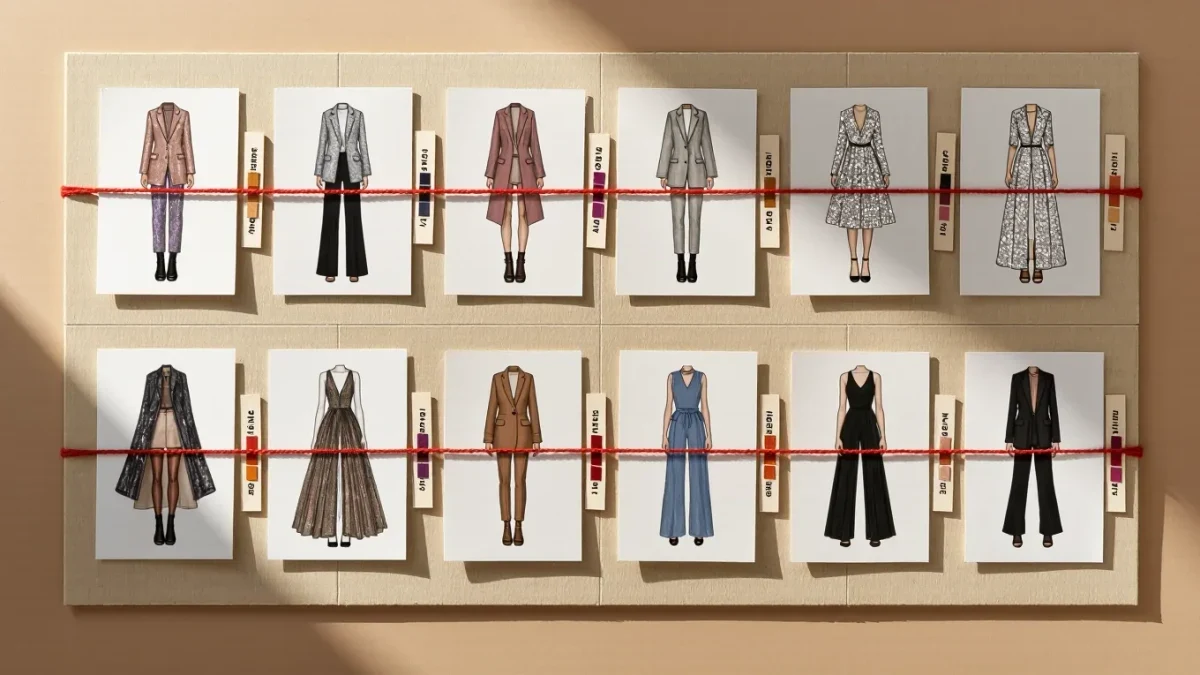
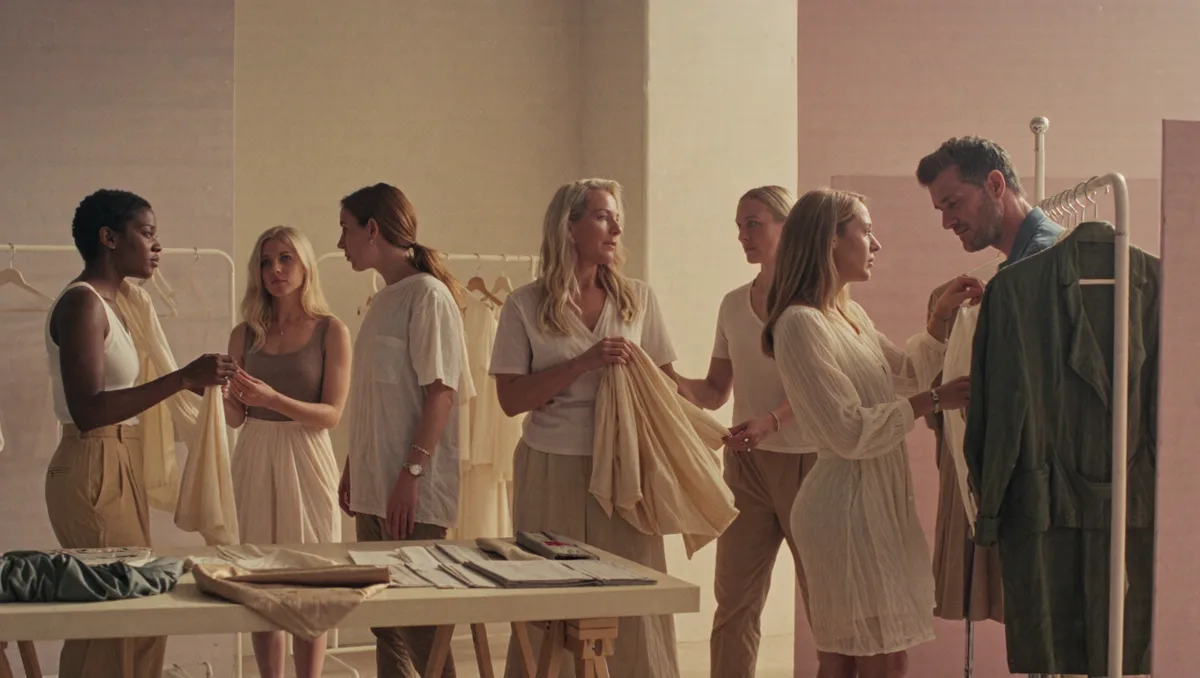
Months before the first flight. Once a release date locks, the styling team maps every confirmed appearance: premieres, photocalls, talk shows, magazine shoots, festival steps. Each slot gets a category, daytime versus evening, seated versus carpet, and a rough dress code. Only then do requests go out to fashion houses, asking for loans or custom builds tied to the tour's theme.
Custom pieces take the longest. A hand-finished gown with heavy embellishment can require weeks of atelier time, so the requests that matter most go first, usually for the premiere and the awards shows that follow.
What is the through-line?
The through-line is the tour's organizing idea, and it comes from the film. A stylist might extract a color, a motif, an era or a texture from the movie and translate it into wardrobe language. The translation matters: the goal is echo, not costume. A film set at sea might become a tour of liquid fabrics and deep blues rather than literal sailor dressing.
Strong through-lines share three qualities. They are legible, so audiences decode them without a caption. They are flexible, so they survive twenty looks without repeating. And they escalate, so the final carpet lands the biggest version of the idea.
How does a tour wardrobe travel?
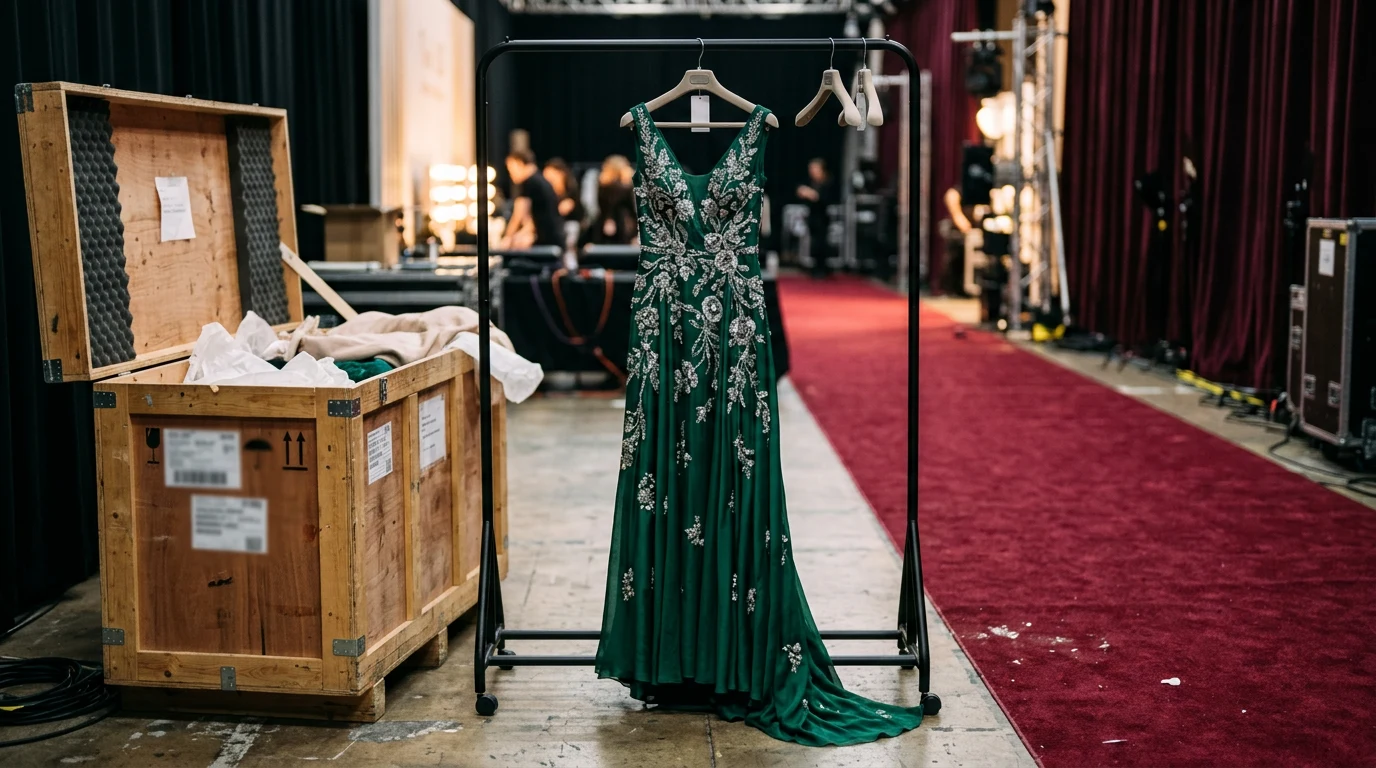
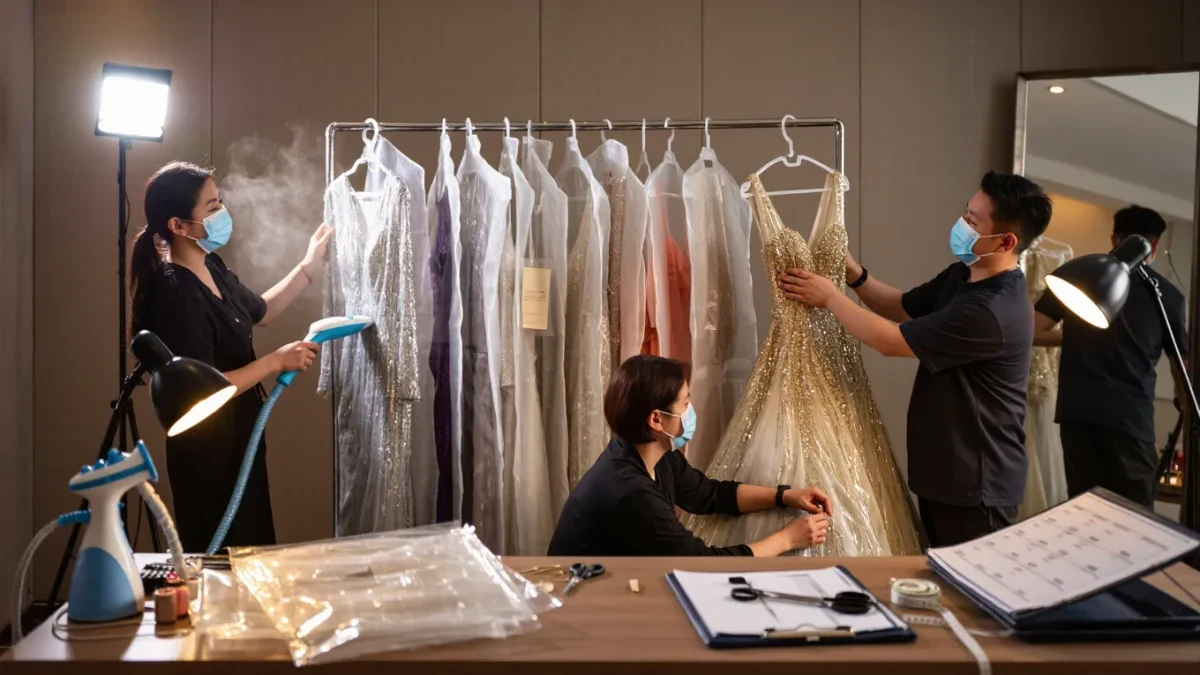
Logistics are half the job. Tour wardrobes move in tracked cases with garment bags, steamers, shoe trees and a repair kit for straps, hems and beading. Fittings happen in hotel rooms the day before each appearance, sometimes at midnight after travel delays. A stylist's kit bag functions as a mobile atelier: needles, thread in ten shades, double-sided tape, clips, backup shoes.
Backup planning is professional doctrine. Every key look has a contingency, because a delayed case, a damaged hem or a schedule change can force a swap with hours of notice.
Why do the credits matter so much?
Because credits are the story beneath the story. When one house dresses a lead across an entire tour, the industry reads an ambassadorship or a long alliance. When the wardrobe spreads across emerging designers, the tour becomes a platform statement. Stylists and publicists time credit announcements to posts, and fashion press aggregates the full season into ranked recaps that extend coverage for days after each stop.
What makes a tour memorable rather than just long?
Contrast with discipline. The tours that enter fashion history pair a strict through-line with one or two deliberate ruptures: an unexpected silhouette, a joke look for a comedy photocall, a dramatic turn at the final premiere. Without the discipline, ruptures read as randomness. Without the ruptures, even beautiful consistency blurs together by city six.
Pacing carries it. Daywear keeps energy low so evening looks can peak. The biggest execution is saved for the moment with the largest audience, usually a home premiere or a major award night that closes the cycle.
How has the audience changed the game?
Fan accounts now archive every stop within hours, building side-by-side grids that reward narrative and punish filler. That visibility raised the stakes: a tour wardrobe is scrutinized like a collection review. It also raised the reward, because a great tour season circulates for years, resurfacing every time the film does. The press tour has become, in effect, fashion's fifth week, held wherever the film industry sends its stars next.
How many looks make a full tour season?
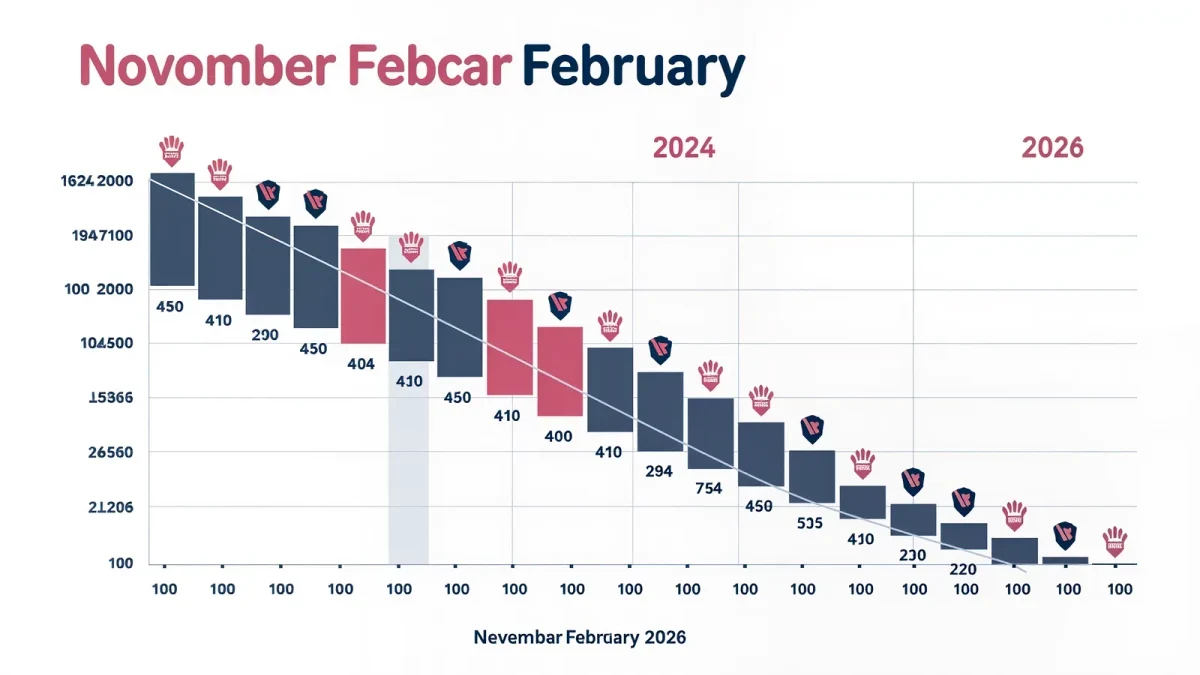
Counting tells the story. A domestic promotional week might need six to eight outfits, while a global cycle with festival steps, international premieres and the awards season that follows can exceed twenty-five. Each look gets its own fitting, travel slot and backup plan. Multiply that across a cast of principal actors and a single film's campaign can move well over a hundred styled looks from vaults, showrooms and ateliers around the world.