Method dressing means committing to a single style theme for an entire film promotion cycle, so each premiere look extends the movie rather than standing alone. An actor promoting a musical might wear concert-stage sparkle in every city. One attached to a historical drama might stay in period-adjacent silhouettes for months. The approach turned press tours of 2023 to 2025 into the most-watched fashion events outside official fashion weeks, with fans tracking each stop like episodes of a series.
Where did the term come from?
The name borrows from method acting, the technique of staying in character between takes. Applied to wardrobe, it means the clothes never break character either. The label spread through fashion commentary around the 2023 to 2024 award seasons, when several high-profile global press tours were read less as separate red carpets and more as curated multi-city exhibitions.
Before this shift, a tour wardrobe was usually a lineup of unrelated beautiful gowns. The change was narrative. Stylists began briefing designers on the film's world, its color story, its era, and requesting pieces that answered it.
What does a method dressing campaign look like in practice?
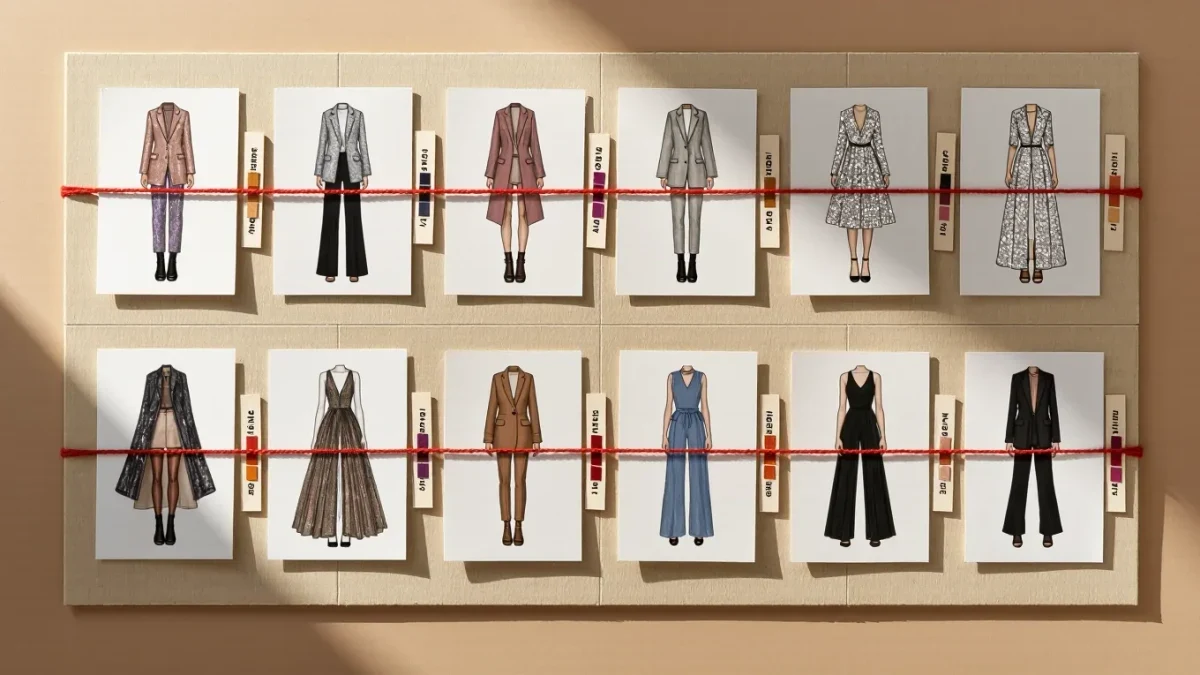
The mechanics are consistent across campaigns. A theme is chosen first, often drawn from the film's imagery or a motif linked to it. Then it repeats with variation: the same color family in London, the same motif scaled up in Berlin, the same fabric in Mexico City. Common devices include:
- A signature color carried through every stop
- Scaling sparkle, from daytime shimmer to full evening crystal
- Silhouettes that echo the film's era or setting
- Recurring details, like a repeated rosette, chain or shell motif
- Coordinated partner looks when two leads tour together
The reward is recognition. When the fourth look lands, audiences already know the code, and the press coverage writes the storyline for free.
Why did the trend explode when it did?
Social media timing. A tour stop now generates thousands of side-by-side posts within hours, and side-by-side comparisons reward consistency. A single gown competes with every other gown of the night. A twelve-look narrative owns its own lane, because nobody else is telling that story that week.
The economics helped too. Fashion houses benefit from repeated alignment with a hit film, so they lend harder and custom-build more for tours that promise a coherent arc. By 2025, method dressing had become standard briefing language between studios, publicists and styling teams.
Does it always work?
Not always. The theme needs a light touch. When the costume logic gets too literal, copying the character's screen wardrobe piece for piece, commentary flips from delighted to mocking. The strongest campaigns translate the film into fashion vocabulary rather than repeating it: texture instead of costume, palette instead of uniform.
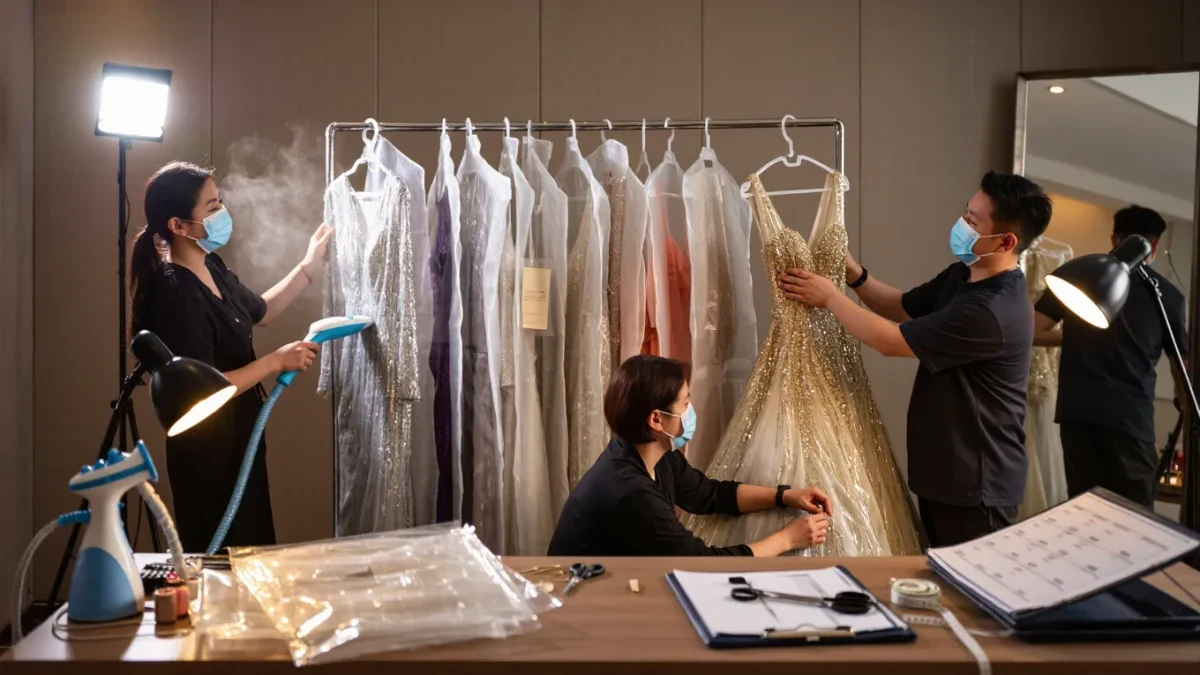
There is also stamina math. A global tour can run twenty-plus looks. Building that many pieces inside one idea, without repetition fatigue, is a genuine styling challenge, which is why tour wardrobes are now planned months ahead like small collections.
How can you read a tour like a stylist?
Watch three things. First, the palette: recurring colors usually map to the film's poster or setting. Second, the arc: many campaigns save the most dramatic execution for the premiere city or the awards show that closes the cycle. Third, the credits: repeat appearances from one house signal an unofficial partnership powering the whole story. Once you see the pattern, a press tour stops being a series of outfits and becomes a season of fashion with its own finale.
What comes after method dressing?
The technique is now portable, and it has started migrating beyond film. Album campaigns borrow the same structure, building a visual world around a record across performances, shoots and appearances. Television casts coordinate palette nods at premieres. Even brand ambassadors are styled with arcs rather than isolated looks. What began as a clever promotional move has become general grammar for anyone with a long public calendar, which is the surest sign it will shape tours well past 2026.