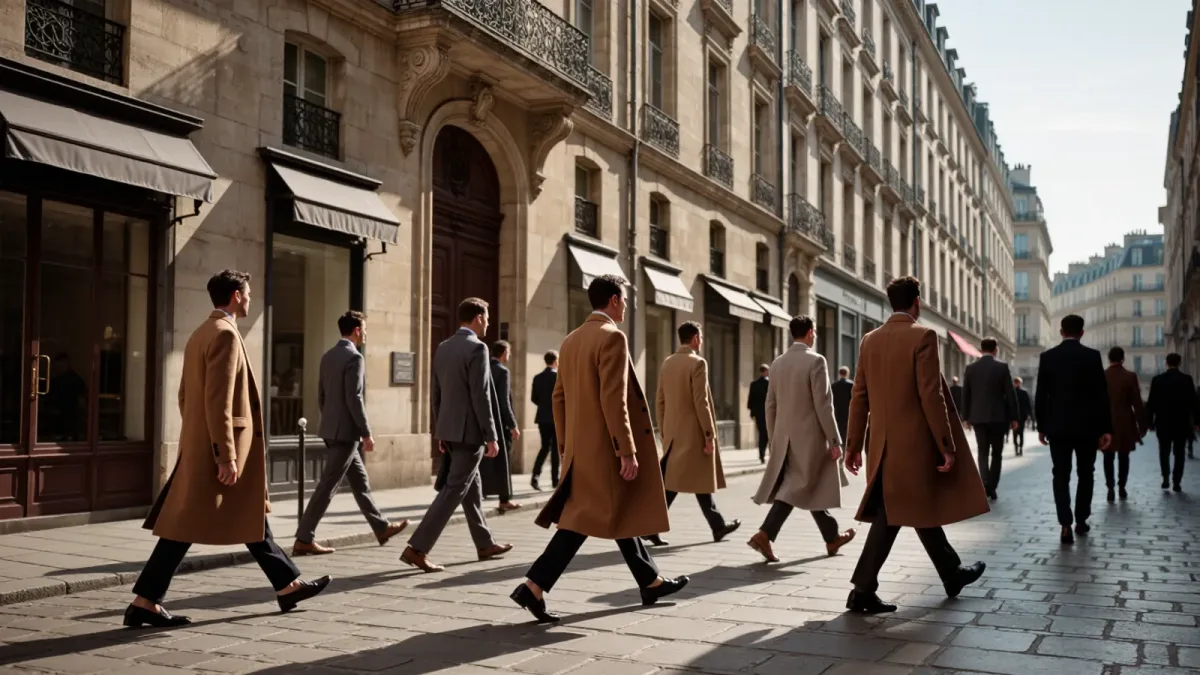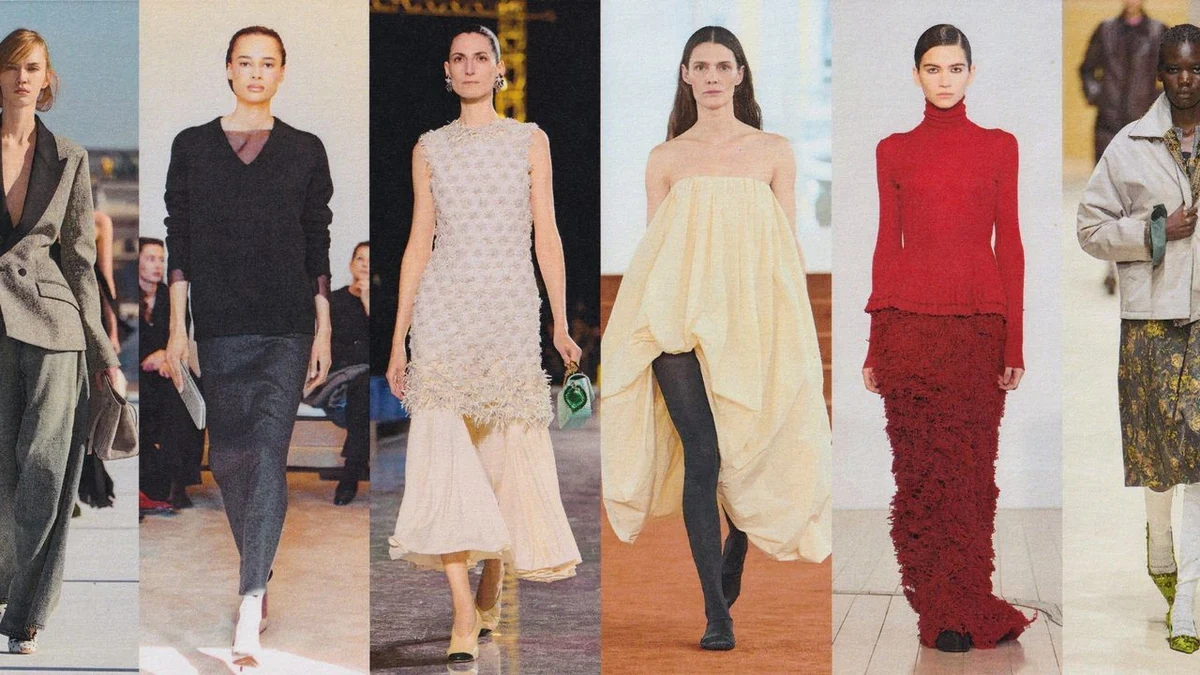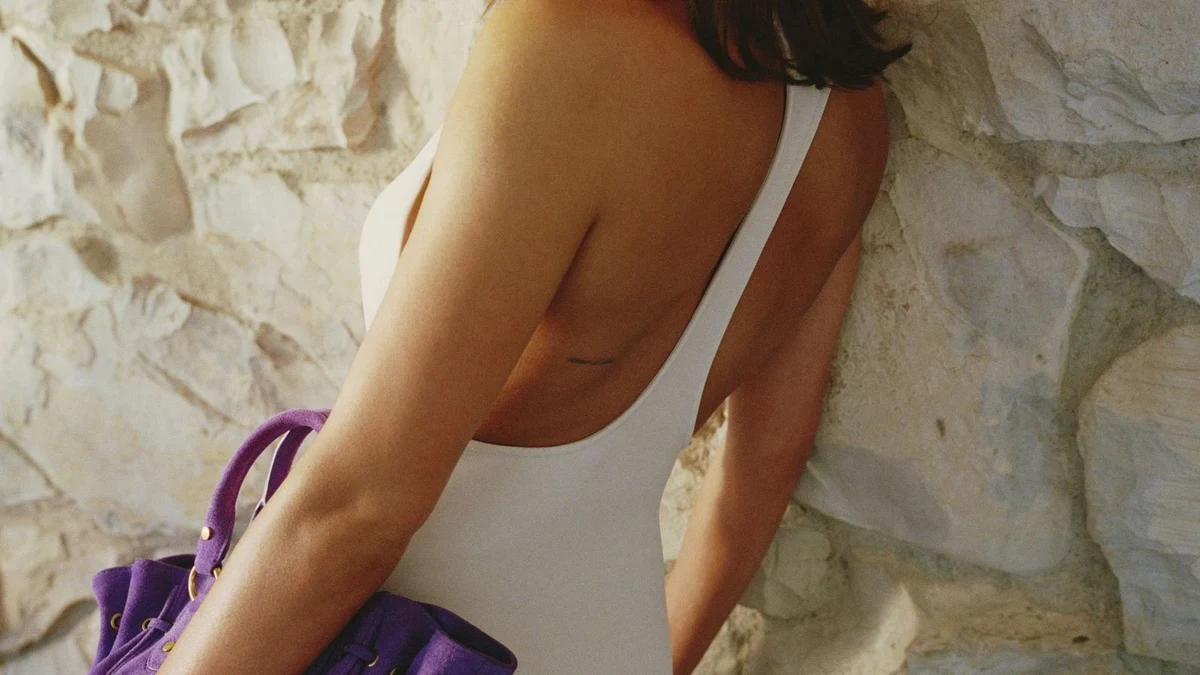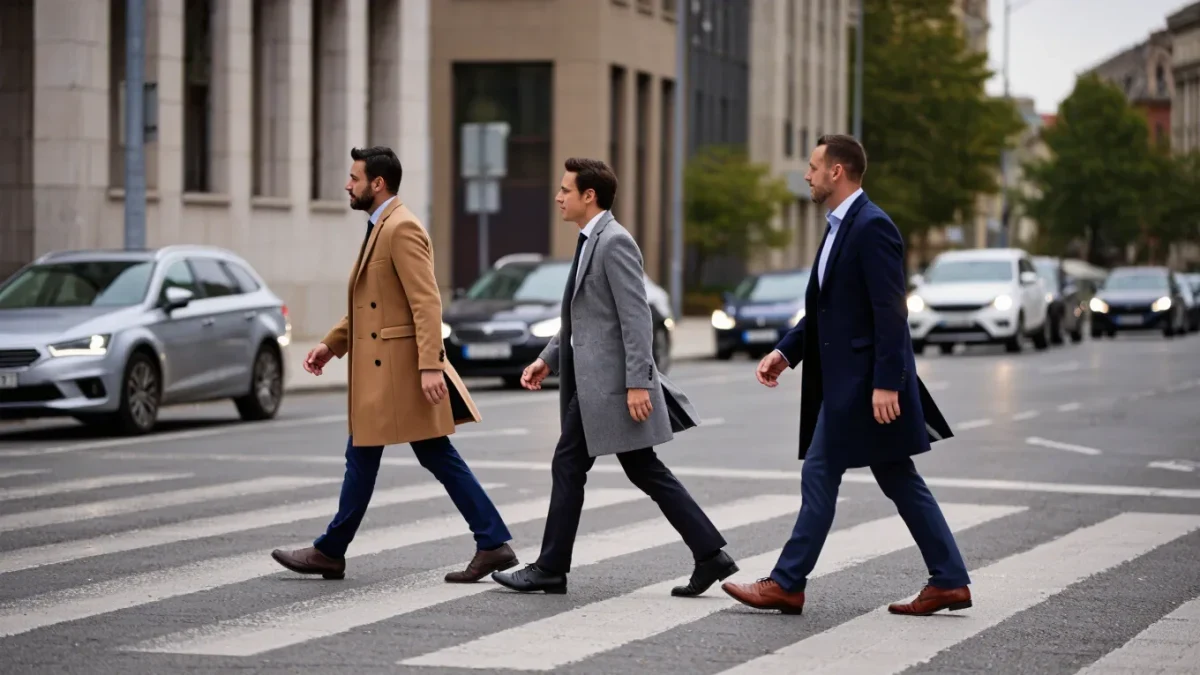
The old money aesthetic is a style built from the clothing codes long associated with inherited wealth: tailoring, tweed, cashmere, pearls, leather loafers and colors like navy, cream and forest green. It spread across social platforms from the early 2020s, powered by nostalgia for estate-life imagery and by series that romanticized generational wealth. By 2025 it had become one of the most searched fashion aesthetics, and its signature pieces had migrated from moodboards to mainstream retail.
Where does the aesthetic actually come from?
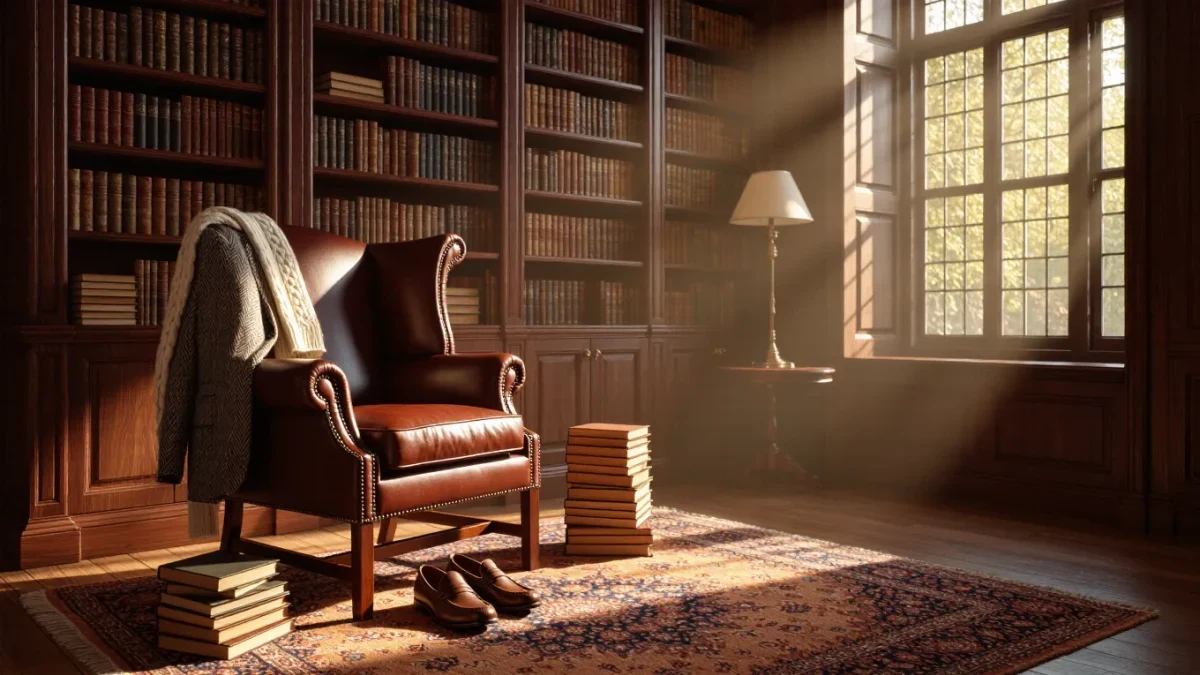
The clothes have real roots in British country dressing and American prep school wardrobes, traditions that were themselves about class signaling through subtlety. A waxed jacket, a cable knit, a pair of penny loafers: these were practical garments that became markers of a particular upbringing. The aesthetic as we now know it is a social media remix of those codes, assembled around 2021 to 2023 under hashtags that staged sailboats, libraries and autumn lawns as backdrops.
It overlaps heavily with quiet luxury, but the two are not identical. Quiet luxury is about restraint and quality without signals. Old money is about specific signals: the knits, the braids, the flat shoes, the sense of a lineage.
What are the core pieces?
The wardrobe is consistent wherever the aesthetic appears:
- Tailored blazer in navy, herringbone or prince-of-wales check
- Cable-knit or fine merino sweater, often layered over the shoulders
- Pleated trousers or a tennis-style pleated skirt
- Leather loafers, slingbacks or canvas deck shoes
- A silk scarf and small pearl earrings
- A structured leather bag in brown or oxblood
Patterns stay classic, glazing stays minimal, and everything looks like it could have been bought decades ago and kept.
Why did it become so big?
Timing and aspiration. The aesthetic arrived as logo-heavy dressing felt exhausted, and it offered the opposite fantasy: permanence. Where fast fashion trends changed monthly, old money imagery promised a wardrobe that outlives seasons. Television about wealthy dynasties fed the visuals, and the platform economy did the rest, because the aesthetic photographs beautifully and repeats well.
There is also an economic reading. During uncertain years, dressing like inherited money projects stability. Commentators noted the irony that the look was mass-adopted through fast fashion versions of garments originally meant to signal you did not need fashion at all.
How do you build the look credibly?
Invest in the anchors first: one good blazer, one good knit, real leather shoes. Choose fabrics that age well, because the whole aesthetic depends on things looking kept rather than new. Secondhand shopping is unusually effective here, since the original garments were made to last and circulate on resale platforms in volume.
Styling rules do the rest. Keep one pattern per outfit. Match leather tones between shoes and bag. Push sleeves neatly rather than bunching them. The aesthetic rewards precision, not accumulation.
What are the criticisms?
Fair ones exist. The aesthetic romanticizes wealth without its context, presenting inherited privilege as a neutral style choice. Some critics note its narrowness: the canonical imagery centers one narrow tradition of Euro-American elite dressing, even though elegance has many histories. And the fast fashion copies undercut the sustainability the original wardrobe implied, since a twelve-dollar take on a garment meant to last thirty years misses the point entirely.
Is old money style still current in 2026?
As a template, yes. The hashtag wave has cooled from its peak, but the pieces have been absorbed into the general wardrobe the way minimalism was in the 1990s. Blazer-and-loafers dressing no longer needs the label to be recognized. The aesthetic proved durable precisely because it was never really a trend in composition, it was a selection of garments designed, originally, to outlast trends.
What shoes and accessories finish the look?
Footwear is where the aesthetic is most recognizable. Penny loafers in oxblood or dark brown, suede driving shoes, canvas deck sneakers and low slingbacks cover nearly every occasion. Belts are thin leather in brass-buckle styles. Watches stay small and classic, straps in leather or quiet metal. Eyewear runs to tortoiseshell or wire frames. None of these items shouts, and together they quietly complete a wardrobe built on the idea that nothing needs to announce itself.