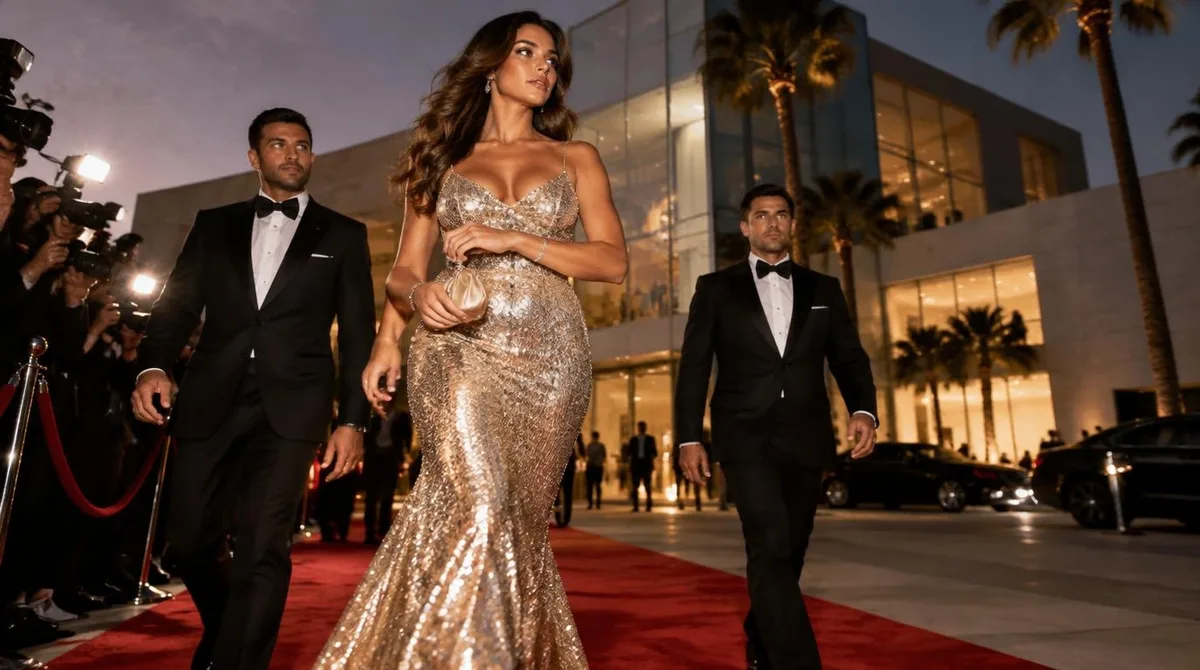
There is no official Met Gala best dressed list. The museum that hosts the event publishes no rankings, the guests do not compete for a prize, and every "best dressed" round-up you read the next morning is a writer's judgment, not a result. The standout ensembles earn their place the hard way: through theme adherence, craft, and how clearly a look says something the night's exhibition is asking.
That matters if you are trying to understand the coverage rather than just scroll it. The Met Gala is a Costume Institute benefit, and the museum's own calendar treats it exactly that way. According to the Metropolitan Museum's published visitor schedule, The Met Fifth Avenue closes on the first Monday in May for the Costume Institute benefit, which the museum's calendar lists simply as the Met Gala. Everything else about the night follows from that fact: it is a fundraiser for a costume collection, held inside a museum, with a theme set by the exhibition it opens.
This piece explains how the event works, what a "best dressed" call is actually measuring, and how to read the morning-after lists with a little more confidence.
What is the Met Gala, really?
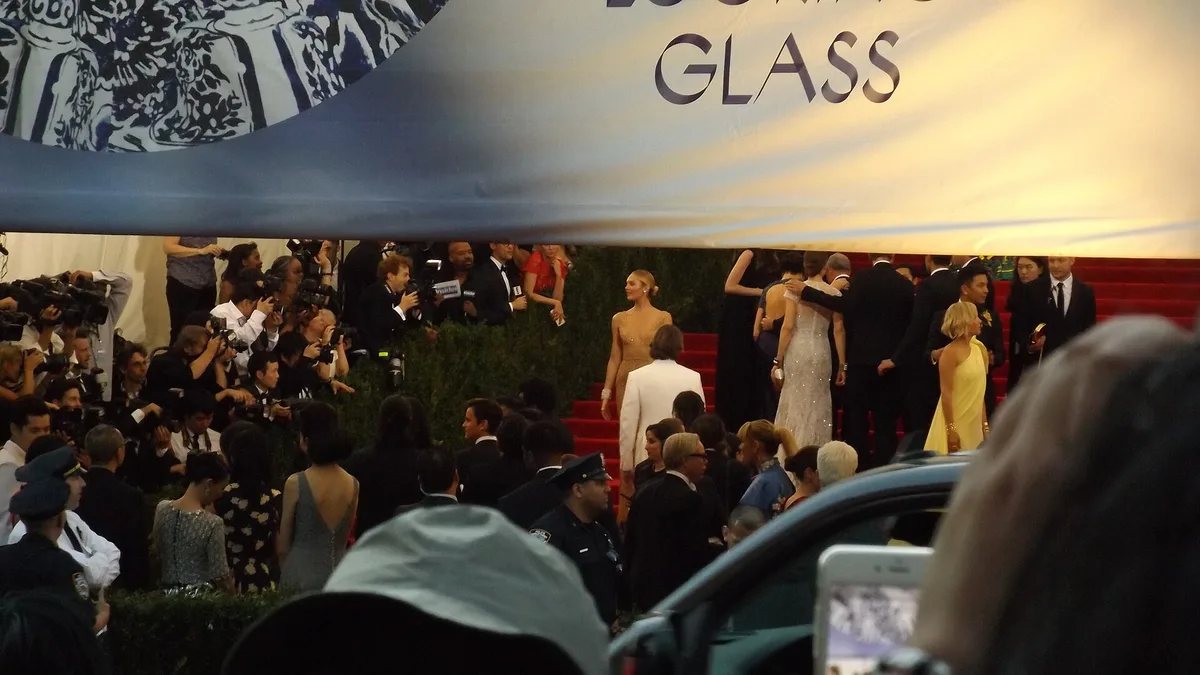
It is a benefit for the Costume Institute, the Met's fashion and costume collection. The museum closes its main building to the public for the day, guests pay to attend, and the money supports the department. The dress code each year ties to the exhibition the gala celebrates, which is why the looks on the carpet are never just pretty — they are arguments about the theme.
That structure explains the atmosphere. A film premiere carpet sells a movie. An awards carpet sells a season of work. The Met Gala carpet sells an idea, and the guests who understand that tend to be the ones whose looks survive the next morning's conversation.
Why does the museum close on the first Monday in May?
Because the gala takes over the building. The museum's own schedule lists four full closures a year at The Met Fifth Avenue — Thanksgiving, December 25, January 1, and the first Monday in May — and the May closure exists specifically for the Costume Institute benefit. The Cloisters, the museum's medieval branch in Fort Tryon Park, stays open that day, so it becomes the only Met site a visitor can enter.
What this means for anyone planning a New York trip: a first Monday in May itinerary belongs at the Cloisters, not Fifth Avenue. It is also a quiet reminder of the event's scale. A museum that closes its doors to everyone, on a day it would otherwise open, is making room for something it considers worth the trade.
How does a look earn a "best dressed" call?
Three things, and they stack. The first is theme adherence — whether the outfit engages the exhibition's actual idea rather than ignoring it. The second is craft: silhouette, fabric, construction, and the work of the stylist and designer behind it. The third is clarity, the quality of being legible in a single photograph. A look that needs three paragraphs of explanation usually loses to one that lands in a second.
Our analysis: the rankings that hold up best are the ones that judge the garment and the styling, not the person wearing it. The strongest Met Gala coverage reads like criticism — a verdict, then the specifics that support it. The weakest reads like a queue, with a number attached to every arrival. When you read a list, check whether the writer explains why a look works. If they do, the list has an argument. If they only describe, it has a slideshow.
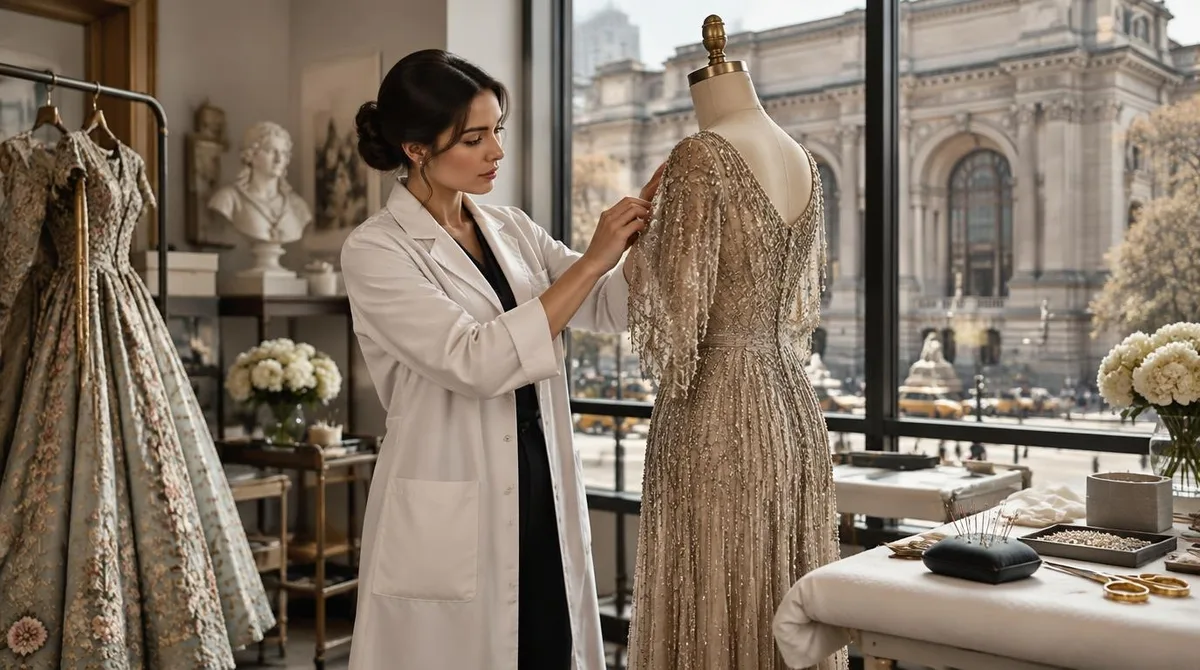
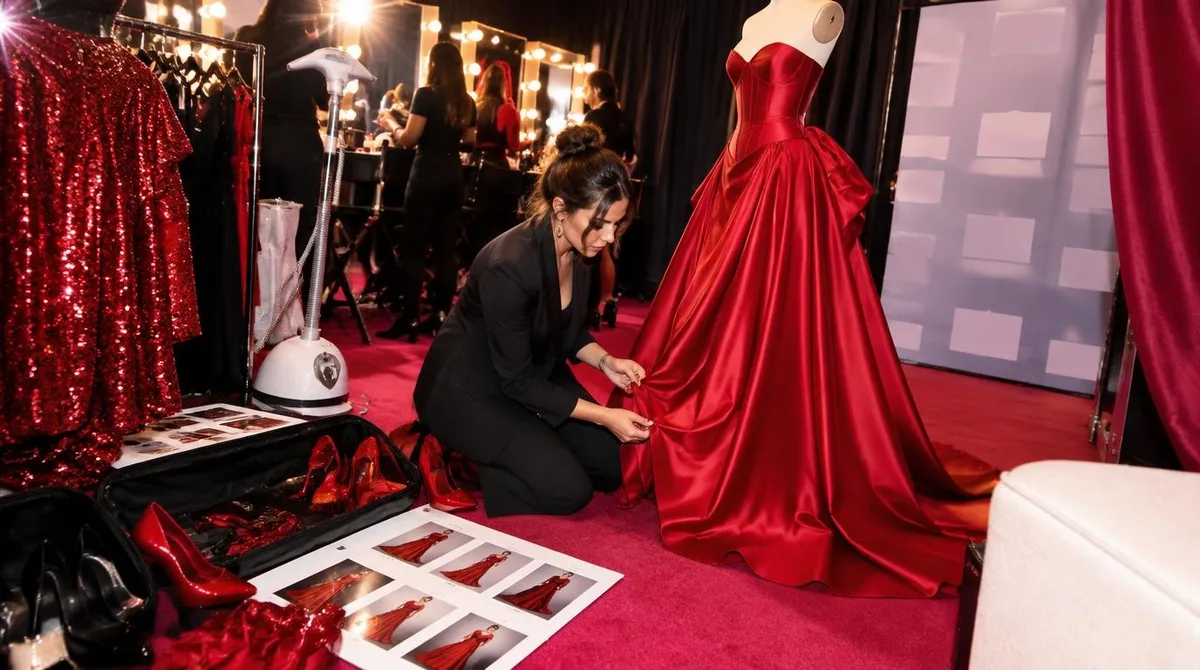
The machinery behind a great look is invisible from the carpet. Fittings, sourcing, alterations, and backup plans all happen weeks out, and the work a stylist actually does before a red carpet is a full project, not a shopping trip. On the biggest night of the year, that work simply has more at stake. We covered a connected angle in What a red carpet stylist actually does before a premiere.
What makes the Met Gala different from other carpets?
Three differences change how the clothes are judged. First, the theme is mandatory in spirit — a guest can ignore it, but the ignoring becomes the story. Second, the venue is a museum, so looks that reference archive pieces or costume history read as fluency, not affectation. Third, the audience is fashion-literate by design; the guest list is built around the exhibition, and the room knows what it is looking at.
Archive and vintage references have moved from novelty to expectation across red carpets in recent years, and the return of vintage gowns to the red carpet has raised the baseline for what counts as a considered look. At the Met Gala, where the exhibition itself is often built on historical dress, that fluency matters most of all.
The event also sits at the far end of a system the rest of the year merely uses. The way awards season dressing works, from first fitting to final walk, scales up for the gala: more fittings, more secrecy, more risk. The upside is that the ceiling is higher too, which is why the night produces looks that get discussed for years. For related coverage, see How awards season dressing actually works, from first fitting to final walk.
How should you read the morning-after lists?
Read two or three, not one. Every list is one writer's judgment, and the differences between them tell you where the real conversation is. A look that tops several lists with similar reasoning has genuinely landed. A look that tops one list and misses the others entirely is that writer's favorite, nothing more.
Watch for what the lists reward. Theme engagement and craft usually age well; shock value rarely does. And keep the site's own rule in mind: good coverage comments on the garment, the styling choice, and the occasion. It never scores a person's body or age, and it has no "worst dressed" — the format itself is the problem, not any single name on it.
Practical steps for the reader who wants to form their own list: learn the theme before the carpet starts, note the designer credits as they are confirmed, and judge each look against the exhibition's idea rather than against the other guests. That is the same order a working critic uses, and it turns a night of scrolling into an actual opinion.
The takeaway
The Met Gala best dressed conversation is a judgment exercise, not a competition with a scoreboard. The event is a Costume Institute benefit on a day the museum closes to the public, and the looks are judged against a theme, a craft tradition, and a single photograph's worth of clarity. Read the lists as arguments, check the reasoning, and the standout ensembles will sort themselves out — no ranking required.